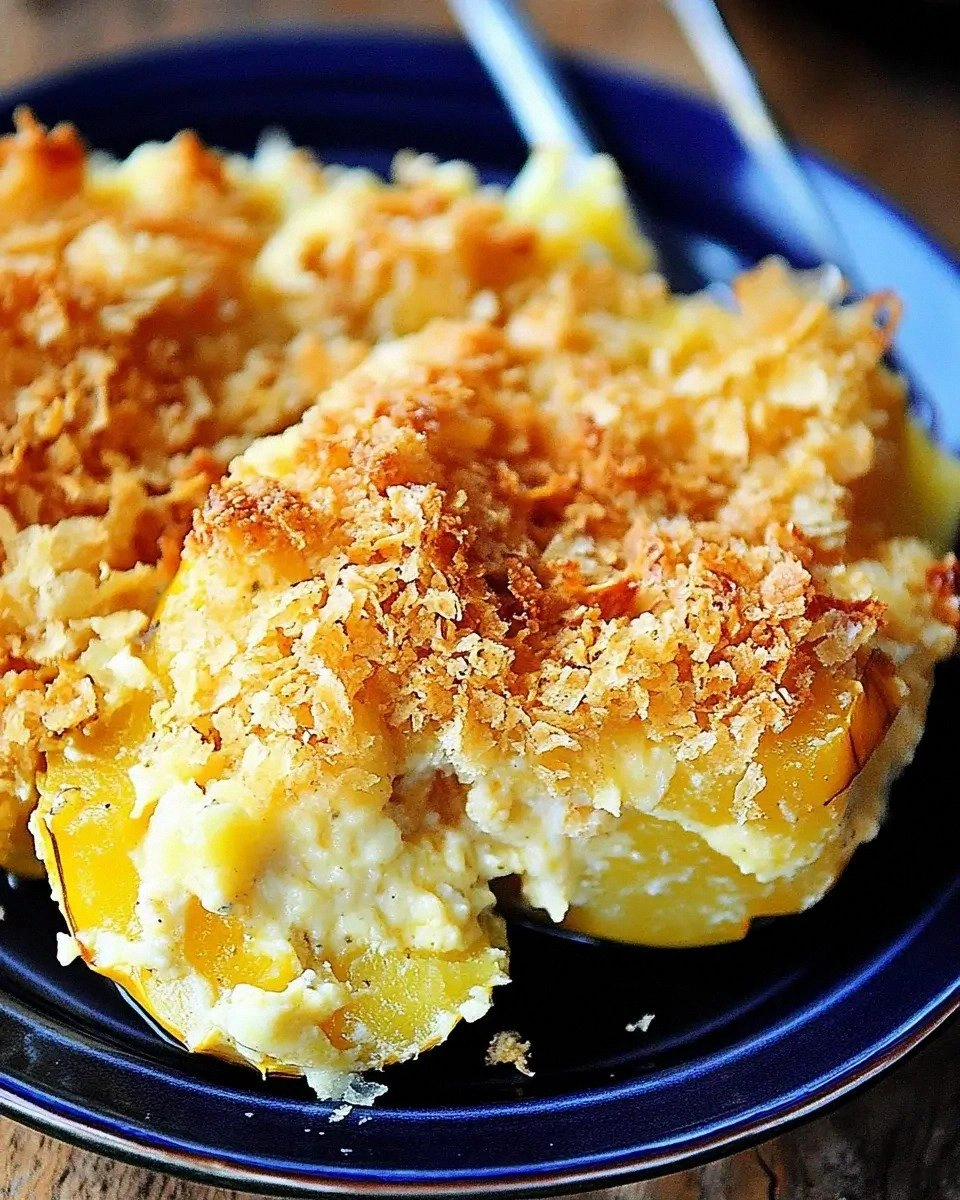
Picture this: I was halfway through a marathon of take‑out when the alarm clock blared, and I realized I had no dinner. I stared at the fridge, saw a head of cauliflower, a block of cheese, and an egg, and thought, “Why not?” The idea of a grilled cheese that didn’t feel like a guilty indulgence sparked a culinary rebellion. I grabbed a skillet, preheated it, and the kitchen filled with the buttery aroma that promised comfort. That moment became the genesis of Cauliflower Bread Grilled Chee, a dish that turns humble ingredients into a headline‑making meal.
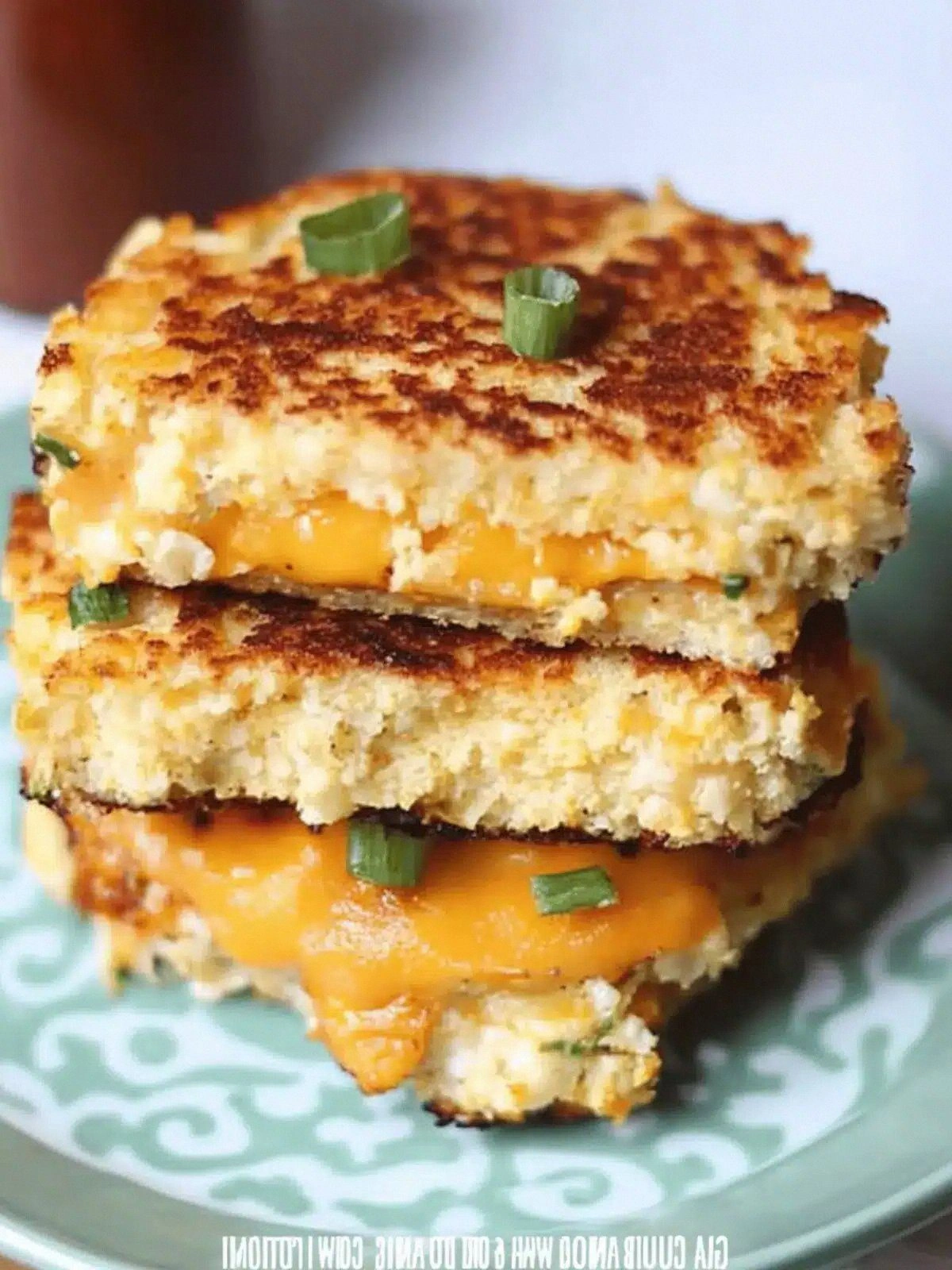
From the first sizzle, I knew I was onto something special. The cauliflower, when steamed to a silky softness, released a subtle earthiness that danced with the sharpness of cheddar. The cheese melted into a velvety blanket, while the egg bound everything together like a secret handshake. Butter or cooking spray added that coveted golden crunch on the crust, turning each bite into a crunchy, melty experience. I tasted the first square and felt the kitchen walls applaud.
That bite was a revelation: it was fluffy like a cloud, yet dense enough to keep your mouth full. The contrast between the buttery crust and the tender interior was like a well‑orchestrated symphony. I dared my friends to taste this and not go back for seconds, and they could not resist the temptation. The dish was simple, yet it carried a depth that made it feel like a gourmet creation. I was convinced that this was hands down the best version you’ll ever make at home.
Most recipes get this completely wrong, relying on flour or breadcrumbs to create the base. Here, the cauliflower itself is the hero, delivering moisture and a subtle nutty flavor that elevates the cheese. The technique of letting the mixture rest before forming the rounds is a game‑changer, allowing the flavors to meld. The baking step locks in the golden edges, while the final grill adds that satisfying crunch. The result is a sandwich that feels like a slice of pizza, but with a conscience.
Picture yourself pulling this out of the oven, the whole kitchen smelling incredible, and the first bite sending a wave of comfort through your senses. The sizzle when it hits the pan? Absolute perfection. I’ll be honest — I ate half the batch before anyone else got to try it. If you've ever struggled with making a grilled cheese that isn't dry or too greasy, you're not alone — and I've got the fix. Let me walk you through every single step — by the end, you'll wonder how you ever made it any other way.
What Makes This Version Stand Out
- Flavor: The cauliflower provides a mild, slightly sweet base that lets the cheese shine without overpowering it. The combination of cheddar and mozzarella creates a layered richness that melts into a silky sauce.
- Texture: The baked crust is crisp like a well‑toasted baguette, while the interior remains airy and tender, resembling a soft roll. This contrast keeps each bite exciting and prevents the dreaded soggy sandwich.
- Nutrition: With just a head of cauliflower, a cup of cheese, and an egg, the dish stays low in carbs and high in protein, making it a smart indulgence for health‑conscious diners.
- Speed: From prep to plate, you’re looking at 30 minutes total. The minimal ingredient list means less chopping, less cleanup, and more time to enjoy.
- Versatility: The base can be dressed up with herbs, spices, or even a splash of pesto. It works as a main, a side, or a snack, adapting to any meal.
- Crowd‑pleaser: Whether you’re feeding a family or hosting a potluck, the familiar comfort of grilled cheese combined with a fresh twist guarantees smiles and compliments.
Inside the Ingredient List
The Flavor Base
Cauliflower is the star of this recipe, providing a mild, almost nutty flavor that pairs beautifully with sharp cheeses. When steamed, its fibers soften into a buttery consistency, allowing the cheese to melt into a velvety sauce that coats the dough. Skipping cauliflower would mean a plain cheese sandwich; you’d lose the unique, wholesome undertone that makes this version unforgettable. For the freshest taste, choose a cauliflower that feels firm and has a bright green color, indicating optimal ripeness.
The Texture Crew
Eggs act as the binder, giving the dough structure and a subtle lift. A single large egg is enough to keep the mixture cohesive without making it heavy. Butter or cooking spray introduces a golden crust and a buttery aroma that elevates the entire sandwich. If you’re vegan or allergic to dairy, a tablespoon of aquafaba can replace the egg, and coconut oil can stand in for butter, though the flavor profile will shift slightly.
The Unexpected Star
Seasonings are optional, but they can transform the dish into a culinary adventure. A pinch of smoked paprika or a dash of cayenne pepper adds depth and a hint of heat. Fresh herbs like thyme or rosemary, when sprinkled before baking, infuse the bread with aromatic notes that contrast the cheese’s richness. If you’re looking for a savory twist, a splash of soy sauce or a sprinkle of nutritional yeast can bring umami without overpowering the base.
The Final Flourish
Once the dough is formed and baked, a final grill step adds that satisfying crunch and caramelized edges. This step also allows the cheese to re‑melt into a gooey, molten center that’s perfect for dipping. You can experiment with toppings such as roasted red peppers, caramelized onions, or a drizzle of pesto to elevate the flavor further. The key is to keep the heat moderate so the crust browns evenly without burning the cheese.
Everything's prepped? Good. Let's get into the real action...
The Method — Step by Step
- Preheat your oven to 425°F (220°C). Line a baking sheet with parchment paper to prevent sticking and make cleanup a breeze. This first step sets the stage for a golden crust that’s impossible to resist.
- Wash the cauliflower head and cut it into florets. Steam the florets for about 8 minutes until they’re tender but not mushy. The goal is a silky texture that will blend smoothly with the cheese.
- Transfer the steamed cauliflower to a blender or food processor. Add the shredded cheese, egg, and butter or cooking spray. Pulse until the mixture resembles coarse crumbs, then mash it with a fork until it’s smooth but still retains a bit of texture. Kitchen Hack: If you’re short on time, pulse the cauliflower in a food processor until it reaches a fine, rice‑like texture. This shortens the steaming time and gives you an even smoother dough.
- Let the dough rest for 5 minutes at room temperature. This pause allows the egg to set slightly, making the dough easier to shape without sticking to your hands.
- Divide the dough into four equal portions and roll each into a 1‑inch thick round on a lightly floured surface. The rounds should be about 6 inches in diameter, giving you a generous bite each time.
- Place the rounds on the prepared baking sheet and bake for 15–18 minutes, or until the edges are golden brown and the center feels firm to the touch. Watch Out: Overbaking will dry out the cauliflower and make the cheese stringy. Keep a close eye on the color; a light golden hue signals perfection.
- Remove the baked rounds from the oven and let them cool for 5 minutes. The slight cooling period prevents the cheese from spilling over when you cut the bread.
- Heat a non‑stick skillet over medium heat and add a small pat of butter or a light spray of cooking oil. Place each round in the skillet, pressing gently with a spatula. The grill will create a crisp crust while the cheese melts into a luscious, gooey center. Kitchen Hack: For an extra crunch, add a tiny pinch of sesame seeds to the skillet before placing the bread. They’ll toast to a golden brown and add a nutty aroma.
- Flip the bread when the bottom is a deep amber and the cheese begins to ooze. Cook for an additional 2–3 minutes until the other side is equally golden and the interior is fully molten. Slice, serve hot, and enjoy the symphony of textures.
That's it — you did it. But hold on, I've got a few more tricks that'll take this to another level. These insider tips will help you avoid common pitfalls and elevate the flavor profile even further.
Insider Tricks for Flawless Results
The Temperature Rule Nobody Follows
Many cooks think that a higher oven temperature always yields a crispier crust, but that’s not true for cauliflower bread. A moderate 425°F (220°C) is ideal because it allows the cauliflower to steam internally while the outside browns evenly. If you crank the heat to 450°F (232°C), you risk burning the edges before the center sets.
Why Your Nose Knows Best
Your sense of smell is the ultimate judge of doneness. As the bread bakes, a buttery scent will rise, indicating the butter is caramelizing. If you notice a faint metallic tang, it’s a sign the egg has overcooked and the dough has become rubbery.
The 5-Minute Rest That Changes Everything
After baking, let the bread rest for exactly five minutes. This pause allows the internal steam to redistribute, preventing the cheese from spilling over the edges when you slice. It also lets the crust firm up, giving you that perfect crunch.
Use a Skillet with a Lid for Even Heating
Covering the skillet traps steam and ensures the cheese melts evenly without drying out. Once the cheese is bubbly, remove the lid to let the top crisp up. This technique is especially helpful if you’re cooking multiple rounds at once.
Keep a Bowl of Warm Water Handy
If you find the dough sticking to the surface, dip your hands in warm water before shaping. The moisture prevents the cauliflower from drying out and makes the dough easier to work with.
Creative Twists and Variations
This recipe is a playground. Here are some of my favorite ways to switch things up:
Smoky Chipotle Version
Swap half the cheddar for smoked gouda and stir in a teaspoon of chipotle powder. The smoky heat pairs beautifully with the mild cauliflower, turning the sandwich into a flavor fireworks show. It’s perfect for a spicy dinner party.
Herb‑Infused Garden
Add a handful of chopped fresh basil, oregano, and thyme to the dough. The herbs release their aroma during baking, giving the bread a fragrant, Mediterranean vibe. Serve with a side of roasted tomatoes for a balanced meal.
Vegan Edition
Replace the egg with a tablespoon of aquafaba and use a plant‑based cheese like Daiya or a homemade cashew blend. The result is a cruelty‑free, dairy‑free delight that still delivers that gooey, melty center everyone loves.
Breakfast Boost
Top the bread with a poached egg and a sprinkle of chives before grilling. The runny yolk creates a luscious sauce that turns the sandwich into a hearty breakfast. Pair it with a side of fresh fruit for a balanced start to your day.
Sweet Cinnamon Twist
Incorporate a teaspoon of ground cinnamon and a tablespoon of honey into the dough. The sweet notes contrast the savory cheese, creating a dessert‑like treat that’s surprisingly satisfying. Finish with a dusting of powdered sugar for an elegant finish.
Storing and Bringing It Back to Life
Fridge Storage
Store the cooled bread rounds in an airtight container at room temperature for up to three days. The bread will stay crisp on the outside while the interior remains tender. If you notice any moisture buildup, a paper towel in the container can absorb excess dampness.
Freezer Friendly
For longer storage, wrap each round individually in plastic wrap and place them in a freezer bag. Freeze for up to two months. When you’re ready to enjoy, thaw at room temperature for 30 minutes before reheating.
Best Reheating Method
Reheat the bread in a preheated oven at 350°F (175°C) for 8–10 minutes, or until the cheese is melted and the crust is crisp again. For a quick fix, pop a single slice in a skillet over medium heat for two minutes on each side. A tiny splash of water before reheating steams the bread back to its original softness without drying it out.