Picture this: it’s a chilly Saturday night, the kind where the wind howls outside and the only thing keeping you sane is the promise of something warm and comforting waiting in the oven. I was in the middle of a kitchen disaster—my attempt at a simple baked sweet potato turned into a soggy, flavor‑less mush that could have been used as wallpaper paste. In a moment of desperation (and a dare from a friend who claimed “you can’t make a sweet potato taste like a gourmet dish”), I raided the pantry, grabbed a bottle of pure maple syrup, a jar of Dijon, and a tub of burrata, and set out to prove them wrong. The result? A dish that makes the ordinary feel like a five‑star experience, and honestly, I’ll be honest — I ate half the batch before anyone else got a chance to try it.
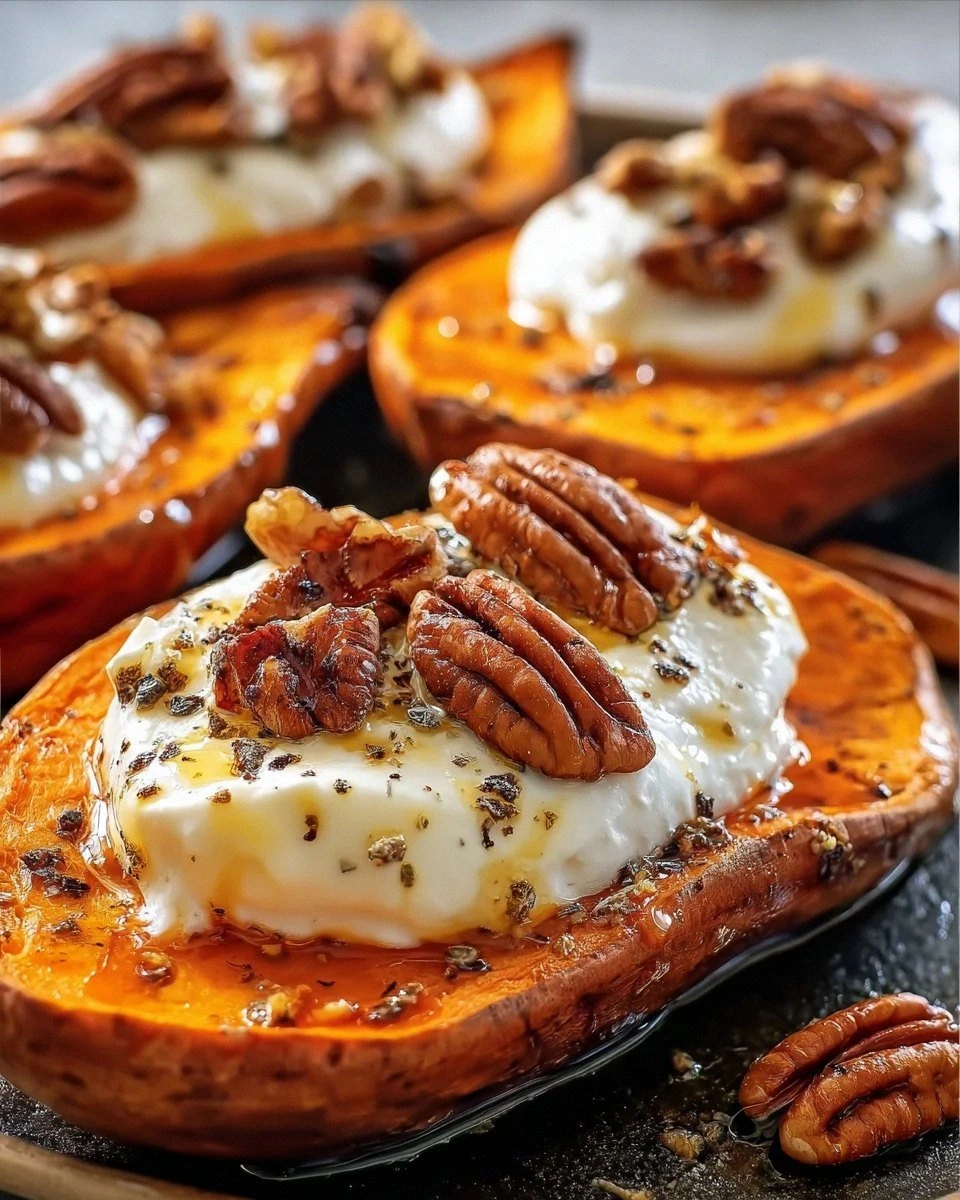
What hit me first was that intoxicating aroma: the caramelized scent of maple mingling with the sharp, almost floral tang of Dijon, all wrapped around the earthy sweetness of roasted sweet potatoes. The kitchen was filled with a perfume that made my mouth water before the first bite even touched my tongue. When the timer finally chimed, the tray emerged with golden‑brown edges that shatter like thin ice, while the centers stayed buttery soft, each cube coated in a glossy glaze that looked like a lacquered masterpiece. The moment I spooned a dollop of creamy burrata over the hot potatoes and scattered toasted walnuts on top, I felt like I’d just unlocked a secret level in a cooking video game.
Most recipes get this completely wrong. They either drown the sweet potatoes in a syrupy swamp or they leave them dry and bland, missing that perfect balance of sweet, salty, tangy, and nutty. This version stands out because it uses a maple‑Dijon emulsion that clings to each piece like velvet, while the high‑heat roasting creates that coveted caramelized crunch. I dare you to taste this and not go back for seconds; the combination of textures and flavors is engineered to be addictive. And guess what? The secret technique is a quick pan‑sauce finish that brings the glaze to a glossy perfection without turning it into a sticky mess.
Let me walk you through every single step — by the end, you’ll wonder how you ever made it any other way. Okay, ready for the game‑changer? This next part? Pure magic. Stay with me here — this is worth it.
What Makes This Version Stand Out
- Flavor Fusion: The maple‑Dijon glaze delivers a sweet‑tangy harmony that elevates the natural earthiness of sweet potatoes without overpowering them.
- Texture Contrast: Crispy, caramelized edges meet a buttery, melt‑in‑your‑mouth interior, creating a mouthfeel that’s both crunchy and silky.
- Simplicity Meets Sophistication: Only nine core ingredients, yet the result feels like a dish from a Michelin‑starred restaurant.
- Ingredient Quality: Using real pure maple syrup and high‑quality burrata adds depth and richness that generic substitutes can’t match.
- Crowd‑Pleaser: Even the pickiest eaters love the sweet‑savory combo, and the walnuts add a surprise crunch that sparks conversation.
- Make‑Ahead Friendly: Roast the potatoes ahead of time, keep the glaze ready, and assemble just before serving for minimal last‑minute stress.
- Versatile Base: Works as a hearty side, a vegetarian main, or even a brunch centerpiece when paired with a poached egg.
- Seasonal Flexibility: While sweet potatoes shine in autumn, this dish is a year‑round winner thanks to its balanced flavor profile.
Inside the Ingredient List
The Flavor Base
Pure Maple Syrup: This is the sweet hero of the dish, providing a deep, caramel‑like richness that pairs perfectly with the sharpness of Dijon. Real maple syrup contains complex sugars that brown beautifully, creating those coveted caramelized edges. If you substitute with honey, you’ll lose some of that nuanced flavor and the glaze may become overly sticky.
Dijon Mustard: The Dijon adds a tangy, slightly spicy bite that cuts through the sweetness, preventing the dish from becoming cloying. Its emulsifying properties help bind the butter and maple into a glossy sauce. For a milder profile, you could use whole‑grain mustard, but you’ll miss that sleek finish.
The Texture Crew
Sweet Potatoes: Look for large, firm, and smooth‑skinned potatoes; they roast evenly and hold their shape. The natural sugars in sweet potatoes caramelize under high heat, creating that irresistible crunch. If you skip the roasting step and just boil them, you’ll lose the textural contrast that makes this dish special.
Olive Oil: A good drizzle ensures the potatoes develop a golden crust while adding a subtle fruitiness. It also helps the spices adhere evenly. In a pinch, you could use melted butter, but the flavor will shift toward a richer, less nuanced note.
Butter: Adding butter to the glaze gives it a luscious creaminess and helps the maple‑Dijon coating cling to each cube. If you’re vegan, swap with a plant‑based butter that melts similarly.
The Unexpected Star
Burrata Cheese: This creamy, milky cheese is the indulgent finish that turns a side dish into a show‑stopper. Its soft interior oozes over the hot potatoes, creating a velvety blanket of richness. If you can’t find burrata, a generous scoop of fresh mozzarella or even ricotta works, though you’ll miss the buttery silk.
Chopped Toasted Walnuts: The walnuts add a nutty crunch and a hint of earthiness that balances the sweet and tangy notes. Toast them lightly to unlock their aromatic oils; raw walnuts can taste bitter. For nut‑free diners, swap with toasted pumpkin seeds.
The Final Flourish
Salt and Pepper: These simple seasonings amplify every other flavor, ensuring the sweet potatoes aren’t flat. Use kosher salt for a clean crunch and freshly cracked black pepper for a subtle heat. If you’re watching sodium, reduce the salt but keep the pepper for depth.
Optional Drizzle: A final splash of extra maple syrup or a drizzle of balsamic glaze adds a glossy finish and a burst of complexity. This step is optional but recommended for that restaurant‑style shine. Remember, a little goes a long way; you don’t want to drown the delicate balance.
Everything's prepped? Good. Let’s get into the real action…
The Method — Step by Step
Preheat your oven to 425°F (220°C) and line a large rimmed baking sheet with parchment paper. While the oven heats, dice the sweet potatoes into uniform 1‑inch cubes; uniformity ensures even caramelization. Toss the cubes in a bowl with olive oil, a generous pinch of salt, and freshly cracked black pepper, making sure each piece is lightly coated. This is the moment of truth: the oil will help the edges turn crispy while the seasoning begins to awaken the natural sugars.
Spread the seasoned sweet potatoes in a single layer on the prepared sheet, leaving a little space between each cube. Roast for 20‑25 minutes, turning once halfway through, until the edges are deep golden and the interiors are fork‑tender. That sizzle when it hits the pan? Absolute perfection. As they roast, the natural sugars start to caramelize, creating a subtle smoky aroma that fills the kitchen.
Kitchen Hack: Flip the potatoes with a spatula, not tongs, to keep the caramelized coating intact.While the potatoes roast, melt the butter in a small saucepan over medium heat. Once the butter foams, whisk in the pure maple syrup and Dijon mustard, stirring until the mixture becomes a smooth, glossy emulsion. Let the sauce simmer for 2‑3 minutes; this allows the flavors to meld and the sauce to thicken just enough to coat the potatoes without pooling.
When the sweet potatoes are beautifully browned, remove them from the oven and immediately drizzle the warm maple‑Dijon glaze over the hot cubes. Toss gently to ensure every piece is evenly coated. Watch Out: If the glaze cools too quickly, it can seize and become grainy, so work fast.
Watch Out: Over‑mixing after adding the glaze can cause the potatoes to lose their crisp edges; a gentle toss is all you need.Return the glazed potatoes to the oven for an additional 5‑7 minutes. This short second bake lets the glaze set and the edges become extra crunchy. Keep a close eye on them; you want a glossy finish, not a burnt crust. The aroma at this stage is so intoxicating you’ll be tempted to taste a raw cube straight from the tray.
Kitchen Hack: Sprinkle a tiny pinch of flaky sea salt in the last minute of baking to amplify the sweet‑savory contrast.While the potatoes finish their final roast, gently tear the burrata into bite‑size pieces. The cheese should be at room temperature; this ensures it melts slightly on contact, creating that luxurious silkiness. If you’re in a hurry, cut the burrata into wedges and set aside.
Remove the tray from the oven and immediately scatter the toasted walnut pieces over the hot potatoes. The residual heat will toast the nuts just a touch more, releasing their buttery aroma. Then, distribute the torn burrata across the top, allowing the cheese to melt into glossy pockets.
Optional: Drizzle an extra tablespoon of pure maple syrup or a thin ribbon of balsamic glaze over the finished dish for a glossy, sweet‑tangy finish. This final flourish adds a visual sheen that looks as good as it tastes. Serve immediately while the potatoes are still steaming, the cheese is soft, and the walnuts retain their crunch.
Plate the dish on a warm platter, garnish with a sprinkle of fresh herbs like thyme or chives if you like, and watch your guests’ eyes widen. Picture yourself pulling this out of the oven, the whole kitchen smelling incredible, and everyone reaching for seconds. That’s the moment you’ll know you’ve nailed it. And now the fun part: enjoy the fruits of your labor, and remember — the leftovers are just as magical.
Insider Tricks for Flawless Results
The Temperature Rule Nobody Follows
Most home cooks set the oven to “high” and hope for the best, but the secret to perfect caramelization is a steady 425°F (220°C). This temperature is hot enough to brown the sugars quickly without drying out the interior. If your oven runs hot, drop the heat by 10‑15°F; if it’s on the cool side, add a few extra minutes. I once left the oven at 450°F and ended up with burnt edges and mushy centers — a hard lesson learned.
Why Your Nose Knows Best
When the sweet potatoes start to caramelize, the kitchen will fill with a sweet, nutty scent that’s unmistakable. Trust that nose signal: once you smell that toasty, caramel aroma, the potatoes are close to done. Over‑reliance on timers can lead to over‑cooking; the olfactory cue is far more reliable. A friend once ignored the smell and burnt the batch — don’t be that person.
The 5‑Minute Rest That Changes Everything
After the final bake, let the potatoes rest for five minutes before adding the burrata and walnuts. This short pause lets the glaze set and prevents the cheese from melting too quickly, preserving that delightful contrast of warm and cool textures. Skipping this step results in a soggy glaze and cheese that slides off the plate.
Walnut Toasting Wizardry
Toasting walnuts in a dry skillet over medium heat for just 3‑4 minutes releases their natural oils and deepens their flavor. Keep them moving; they can go from toasted to burnt in a heartbeat. If you’re short on time, toss them in the oven with the potatoes for the last 5 minutes — just watch closely.
Maple Syrup Substitution Strategy
If you’re out of pure maple syrup, a 1:1 substitution with dark amber honey works, but the flavor will shift toward floral notes. For a lower‑sugar version, use a sugar‑free maple-flavored syrup, though the caramelization may be less intense. I once tried agave and the glaze turned gummy; stick to real maple for that authentic depth.
Creative Twists and Variations
This recipe is a playground. Here are some of my favorite ways to switch things up:
Spicy Sriracha Kick
Add a teaspoon of sriracha to the maple‑Dijon glaze for a subtle heat that dances on the palate. The heat pairs beautifully with the sweet potatoes and adds a modern twist. Great for those who love a little fire.
Herb‑Infused Delight
Stir in fresh rosemary or thyme into the olive oil before tossing the potatoes. The herbaceous notes become infused during roasting, adding an earthy depth that complements the maple. This variation shines as a side for roasted chicken.
Smoky Chipotle Version
Swap half of the Dijon mustard with chipotle adobo sauce for a smoky, slightly smoky flavor profile. The smoky undertones amplify the caramelized edges, turning the dish into a bold, smoky side perfect for BBQ gatherings.
Vegan Dream
Replace butter with vegan butter and burrata with a generous scoop of cashew cream or vegan mozzarella. The texture remains indulgent, and the glaze stays glossy. This version keeps all the flavor while being entirely plant‑based.
Autumn Harvest Mix
Mix in cubed butternut squash and carrots with the sweet potatoes for a colorful, multi‑root medley. The additional vegetables soak up the glaze, creating a richer, more complex bite. Perfect for a Thanksgiving table.
Storing and Bringing It Back to Life
Fridge Storage
Transfer any leftovers to an airtight container and store in the refrigerator for up to three days. The glaze may thicken, but a quick reheating will bring it back to life. Keep the burrata separate if you want it to stay creamy.
Freezer Friendly
Cool the roasted sweet potatoes completely, then spread them on a baking sheet and freeze for an hour before transferring to a freezer‑safe bag. They’ll keep for up to two months. When ready to use, thaw in the fridge overnight and re‑roast for 10 minutes at 400°F.
Best Reheating Method
Preheat your oven to 375°F (190°C), spread the potatoes in a single layer, and drizzle a tiny splash of water or extra maple syrup before covering with foil. Heat for 12‑15 minutes, then uncover for the final 5 minutes to restore crispness. This steam‑and‑crisp technique revives the texture perfectly.