Picture this: you’re in the middle of a kitchen battle, the stove’s a volcano, and your friends are begging for something quick yet unforgettable. I was halfway through a salsa‑laden taco night when a stray tortilla slipped, splattering cheese across the counter like a culinary crime scene. That moment, that splatter, sparked a dare from my roommate: “Make the best quesadilla you’ve ever seen, or we’re eating plain tortilla chips forever.” I laughed, grabbed my flour tortillas, and turned that disaster into destiny. The result? A Mediterranean quesadilla that feels like a passport to sunny shores, but with the comfort of a home‑cooked hug.
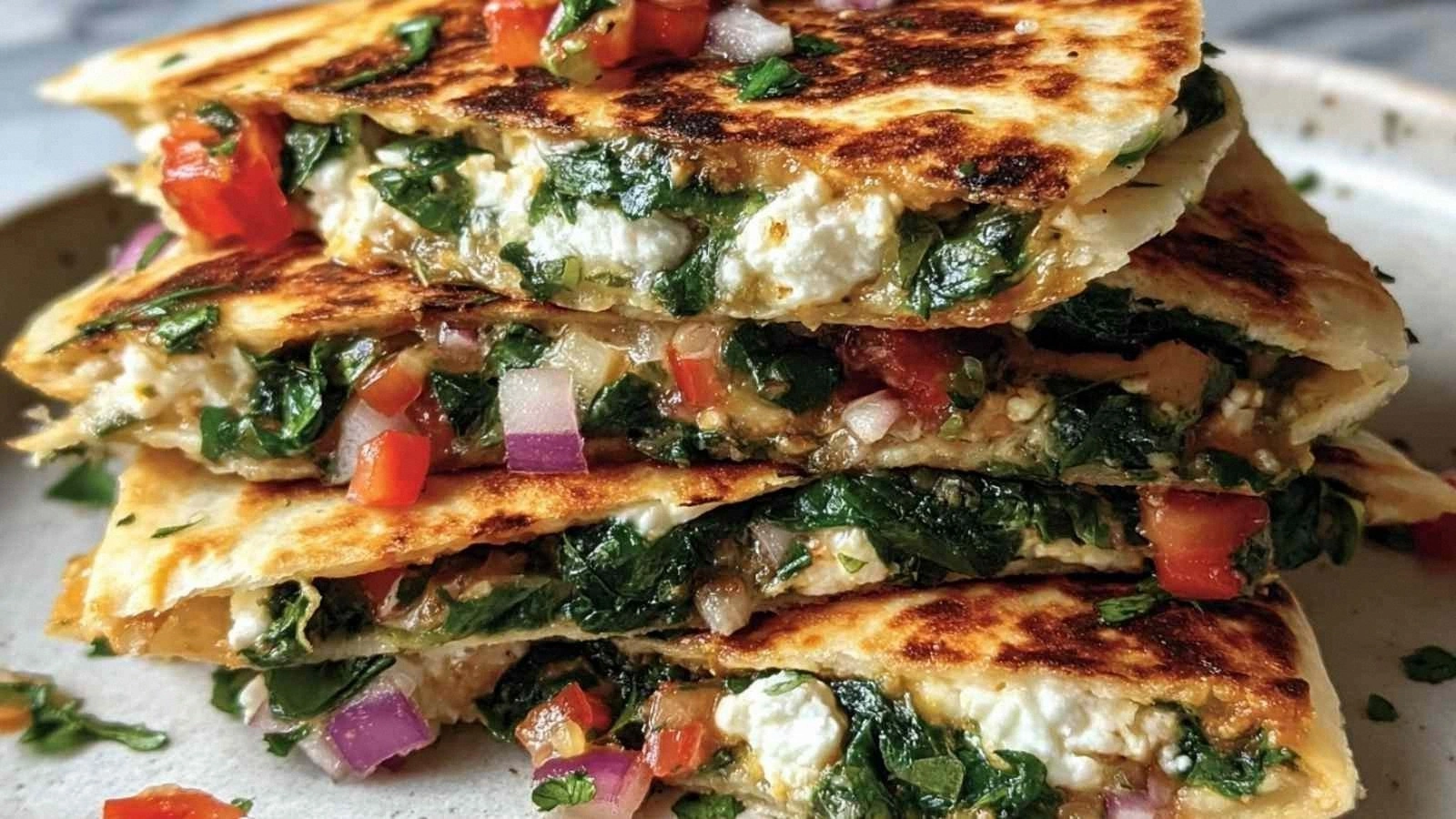
I can still taste the buttery crunch of the tortilla, the sharp tang of feta, and the melt‑in‑your‑mouth mozzarella that coats the interior like velvet. The aroma that rises when the pan heats up—olive oil sizzling, spinach wilting, oregano dancing—fills the room faster than a movie trailer. It’s a symphony of textures: crisp edges that shatter like thin ice, a gooey cheese center that pulls apart with every bite, and a subtle peppery bite that lingers. My friends were skeptical, but the moment they tasted it, their eyes widened, mouths opened, and I heard a collective, “I dare you to taste this and not go back for seconds.”
What makes this version stand out? It’s not just the ingredients; it’s the approach. I’m talking about a technique that turns a simple tortilla into a Mediterranean masterpiece. Most recipes get this completely wrong—using the wrong cheese balance or over‑cooking the spinach. Here’s what actually works: a precise layering order, a splash of olive oil to keep the tortilla from drying, and a dash of oregano that lifts the flavors. And the best part? It’s a crowd‑pleaser that even the pickiest eater can’t resist. Picture yourself pulling this out of the oven, the whole kitchen smelling incredible, and your guests already lining up for seconds.
Let me walk you through every single step—by the end, you’ll wonder how you ever made it any other way. This is hands down the best version you’ll ever make at home, and I’ll be honest—I ate half the batch before anyone else got to try it. If you’ve ever struggled with making a crispy, gooey quesadilla, you’re not alone—and I’ve got the fix. Stay with me here—this is worth it.
What Makes This Version Stand Out
- Flavor: The combination of feta and mozzarella creates a creamy, tangy profile that’s unmistakably Mediterranean. The fresh spinach adds a green, earthy note that balances the richness. The oregano brings a warm, herbaceous finish that elevates the dish.
- Crispiness: A light drizzle of olive oil before cooking gives the tortilla a golden, crackly crust. The heat is high enough to toast the edges without burning the cheese. The result is a satisfying crunch that pairs perfectly with the melted interior.
- Texture: The spinach wilts just enough to stay tender but not soggy, while the cheeses melt into a silky sauce that coats every bite. The red onion adds a subtle crunch and sweetness that contrasts beautifully.
- Ingredient Quality: Using fresh, high‑quality feta and mozzarella makes a noticeable difference. The cheese’s moisture content ensures a gooey center, while the olive oil’s flavor adds depth.
- Speed: The entire process takes less than 30 minutes, making it a perfect weeknight meal. Prep is minimal—just a quick chop and a handful of seasoning.
- Versatility: This recipe is a playground. Swap the spinach for arugula, add sun‑dried tomatoes, or use a different cheese blend to create new flavor profiles.
- Make‑ahead Potential: The quesadillas can be assembled and frozen, then reheated to perfection. This makes it ideal for meal prep or entertaining.
Alright, let's break down exactly what goes into this masterpiece...
Inside the Ingredient List
The Flavor Base
The foundation of this quesadilla is the olive oil and oregano. The oil isn’t just a cooking medium; it carries the flavors of the herbs and creates a glossy, golden crust. The oregano, a classic Mediterranean herb, imparts a warm, slightly bitter note that cuts through the richness of the cheeses. Skipping it would leave the dish feeling flat, like a plain tortilla with no personality.
The Texture Crew
Spinach and red onion are the unsung heroes that add bite and moisture. Fresh baby spinach wilts quickly, releasing a subtle sweetness that pairs with the salty feta. The thinly sliced red onion provides a gentle crunch and a hint of sharpness that balances the creamy interior. If you omit the onion, you’ll lose that textural contrast that keeps each bite interesting.
The Unexpected Star
Feta cheese is the unexpected star that gives the quesadilla its distinct Mediterranean flair. Its briny, tangy profile contrasts the mild mozzarella, creating a layered flavor experience. A pinch of salt and pepper brings everything together, highlighting the cheeses’ natural flavors. If you’re in a pinch, a sprinkle of grated Parmesan can mimic the saltiness, but it won’t replicate the feta’s unique bite.
The Final Flourish
The final flourish is the arrangement of ingredients. Placing a thin layer of spinach first, followed by a generous spread of feta and mozzarella, ensures even melting and prevents the tortilla from becoming soggy. The oregano is sprinkled on top before cooking, allowing the heat to release its aroma. If you add extra herbs or spices, do so sparingly to avoid overpowering the delicate balance.
Everything's prepped? Good. Let's get into the real action...
The Method — Step by Step
- Prep the fillings. Toss the spinach and thinly sliced red onion in a bowl with a pinch of salt, pepper, and the oregano. Let it sit for a minute so the flavors mingle. This step is essential; it ensures the spinach is ready to wilt quickly and the onion releases a subtle sweetness. The aroma that begins to form is a promise of the deliciousness to come.
- Warm the skillet. Place a large non‑stick skillet over medium‑high heat and add a tablespoon of olive oil. Swirl the oil until it shimmers but isn’t smoking. This creates a non‑stick surface and a golden crust on the tortilla. Watch the oil; if it starts to smoke, reduce the heat to avoid burning.
- Assemble the first tortilla. Lay a tortilla flat on a clean cutting board. Spread a thin layer of spinach and onion over half of the tortilla, then sprinkle half of the feta and half of the mozzarella evenly. Fold the tortilla in half, pressing gently to seal the edges. This folding technique keeps the cheese inside and prevents a cheese avalanche.
- Cook the first quesadilla. Transfer the folded tortilla to the hot skillet. Let it cook for 3–4 minutes on one side until the tortilla turns golden brown and the cheese begins to melt. Flip it carefully with a spatula and cook another 2–3 minutes on the other side. The edges should look crisp, and the interior should be a molten, golden sauce.
- Repeat for the second tortilla. Repeat steps 3 and 4 with the remaining tortilla and fillings. If you’re making more than two, keep them warm in a low oven (200 °F) while the first two finish cooking. This keeps the cheese from cooling and the tortillas from drying out.
- Let them rest. Once cooked, let each quesadilla rest for 30 seconds on a plate. This brief pause allows the cheese to set slightly, making slicing easier and preventing molten cheese from spilling everywhere. It’s a small step that makes a big difference in presentation.
- Slice and serve. Use a sharp knife to cut each quesadilla into wedges. Serve immediately with a side of tzatziki or a fresh cucumber salad. The contrast of hot, gooey cheese with cool, crisp vegetables is a flavor explosion. The dish looks vibrant, the colors pop, and the aroma is irresistible.
- Enjoy and repeat. Taste the first bite—crisp edges, creamy interior, and a hint of oregano. If you’re craving more, remember this recipe is a playground. Swap ingredients, add extras, or adjust the heat. The possibilities are endless, but the base recipe will always win.
That's it — you did it. But hold on, I've got a few more tricks that'll take this to another level. The next section is full of insider tricks that will make your quesadillas unbeatable.
Insider Tricks for Flawless Results
The Temperature Rule Nobody Follows
Many cooks think “high heat” is the key, but the trick is to start medium‑high and adjust as the cheese melts. Too high, and the tortilla burns before the cheese melts; too low, and you end up with a soggy center. I find that a skillet at 350 °F works best. Keep an eye on the edges; when they start to turn golden brown, it’s time to flip. This small adjustment makes the difference between a crispy, golden quesadilla and a limp, greasy one.
Why Your Nose Knows Best
If you’re uncertain about the cheese’s doneness, trust your nose. A strong, buttery aroma indicates the olive oil is working, while a faint, metallic scent suggests the cheese is still raw. I’ve had friends skip this step and end up with a cheese that’s still hard in the middle. Don’t be afraid to lean in; the smell is a reliable indicator of perfection.
The 5‑Minute Rest That Changes Everything
After cooking, let the quesadilla rest for exactly five minutes. During this time, the heat distributes evenly, allowing the cheese to set into a smooth sauce rather than a chaotic mess. When you slice, the cheese stays in place, preventing a cheese avalanche. It’s a simple step that elevates the presentation and the eating experience.
Add a Splash of Lemon Juice
A tiny splash of lemon juice on the spinach before assembling adds brightness that cuts through the richness of the cheeses. It also helps the spinach retain its vibrant green color, making the quesadilla look more appetizing. Use just a teaspoon; you don’t want it to overpower the other flavors. This trick is especially useful when serving the dish during hot summer afternoons.
Use a Cast Iron Skillet for Even Heat
Cast iron retains heat better than non‑stick pans, ensuring a consistent crust. If you don’t have a cast iron skillet, use a heavy‑bottomed pan. This prevents hot spots that can burn the tortilla. The result is a perfectly even, golden exterior that complements the creamy interior.
Creative Twists and Variations
This recipe is a playground. Here are some of my favorite ways to switch things up:
Sun‑Dried Tomato & Basil
Replace half the spinach with chopped sun‑dried tomatoes and sprinkle fresh basil on top. The tomatoes add a sweet, chewy texture, while basil introduces an aromatic lift. This variation feels like a summer picnic on a plate.
Spicy Chipotle & Avocado
Add diced avocado and a dash of chipotle powder to the filling. The creamy avocado balances the heat of the chipotle, creating a smoky, spicy flavor profile. It’s a bold twist that works well for adventurous palates.
Mushroom & Truffle Oil
Sauté sliced mushrooms with garlic before layering them on the tortilla. Drizzle a tiny amount of truffle oil after cooking. The earthy mushrooms and truffle aroma elevate the dish to gourmet status.
Mediterranean Veggie Stack
Add roasted zucchini, bell pepper, and eggplant to the filling. Use a mix of feta and goat cheese for a tangy depth. The roasted veggies provide a smoky flavor that complements the Mediterranean theme.
Greek Yogurt Swirl
Spread a thin layer of Greek yogurt on the tortilla before adding the spinach. The yogurt adds a tangy, creamy texture that pairs with the feta. It also helps keep the tortilla from drying out.
Quinoa & Chickpea Crunch
Fold in cooked quinoa and chickpeas for added protein and texture. The quinoa provides a subtle nutty flavor, while chickpeas add a satisfying bite. This version turns the quesadilla into a wholesome, protein‑rich meal.
Storing and Bringing It Back to Life
Fridge Storage
Store cooked quesadillas in an airtight container for up to 3 days. Wrap each quesadilla in parchment paper before placing them in the container to keep them from sticking together. When ready to eat, reheat in a skillet over medium heat for 2–3 minutes per side.
Freezer Friendly
Wrap each assembled quesadilla tightly in plastic wrap and then place in a freezer bag. They stay good for up to 2 months. To reheat, thaw overnight in the fridge, then cook in a skillet or microwave until heated through. The cheese will melt just as wonderfully as when fresh.
Best Reheating Method
The best way to bring these quesadillas back to life is a quick pan‑reheat. Preheat a skillet over medium heat, place the quesadilla, and cover with a lid for 2 minutes to trap steam. Add a tiny splash of water before covering to create a light steam that re‑softens the cheese without drying out the tortilla.