It was a rainy Tuesday, the kind that makes you feel like you’re trapped in a culinary limbo between a craving for comfort food and a guilty conscience about the calorie count. I had a pile of cauliflower florets sitting in the fridge, a jar of cashews I’d bought last month, and an empty spot in my mind for something creamy, indulgent, and surprisingly light. That night, I stared at my stove, the hum of the refrigerator, and a stubborn urge that whispered, “Why not turn this into a sauce?” I dove in, and the result was a silky, velvety Alfredo that feels like indulgence without the guilt.
Picture the moment you break open the cauliflower head and hear the gentle pop of florets, the scent of fresh green peppercorns mingling with the faint nutty aroma of cashews. The kitchen fills with the rhythmic chopping of garlic, the gentle sizzle of olive oil in a pan, and the subtle hiss of broth as it simmers. Every step feels like a sensory ballet: the crunch of fresh garlic, the warmth of the stove, the silky glide of sauce over pasta, and the final flourish of Parmesan that gives the dish a golden sheen. When you taste it, the cauliflower’s mild sweetness is enveloped in a rich, umami‑laden sauce that coats every strand of pasta like velvet, while the cashew base adds a buttery depth that lingers on the palate.
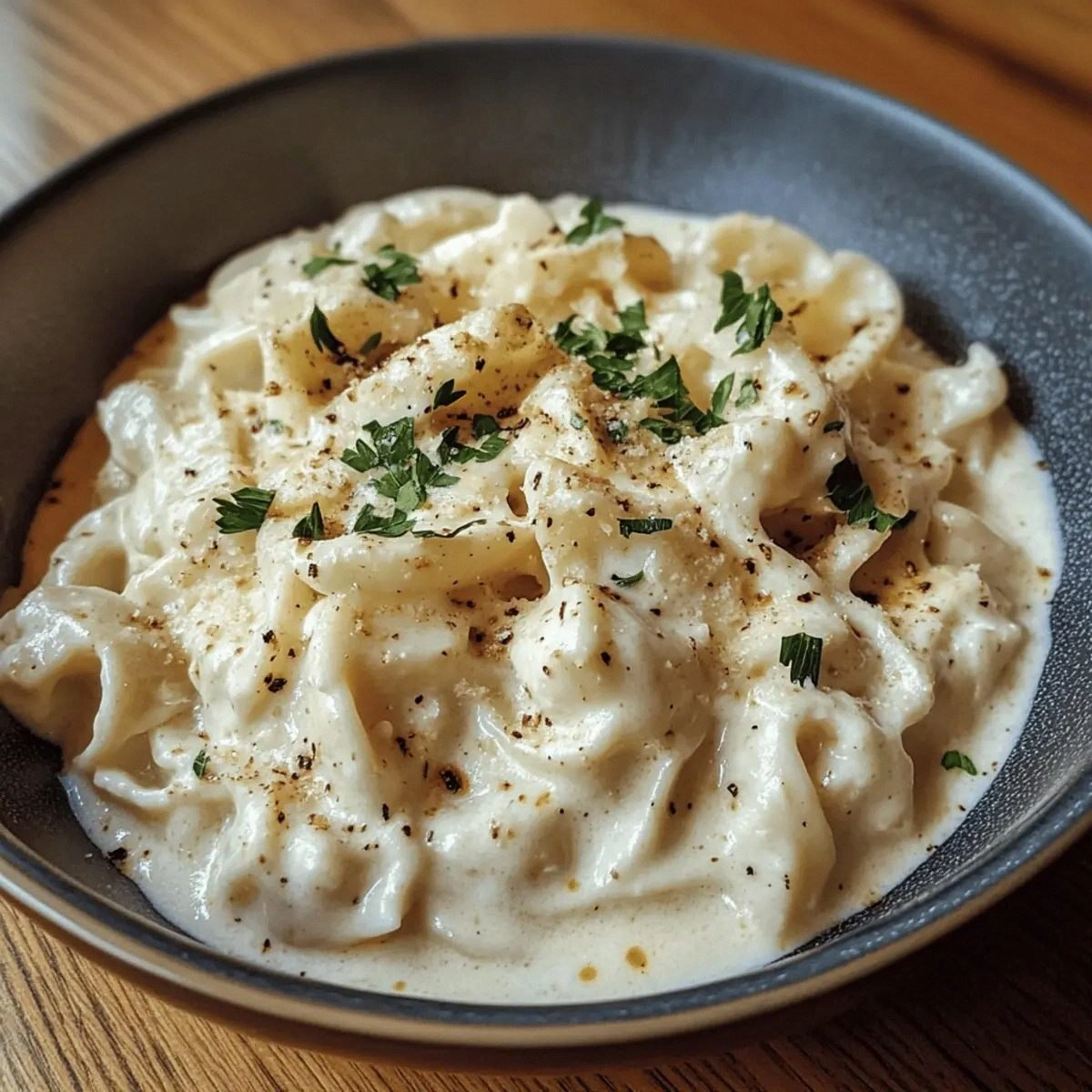
What sets this version apart isn’t just the ingredients; it’s the approach. I dare you to taste this and not go back for seconds. The sauce is made entirely from plant‑based ingredients, yet it delivers the same comforting richness you’d expect from a classic Alfredo. I’ve eliminated the need for heavy cream, dairy, or a complex roux, and instead rely on the natural creaminess of cashews, the savory punch of nutritional yeast, and a splash of lemon to cut through the richness. The result is a dish that feels like indulgence, but is actually a smart, health‑conscious choice.
Most recipes get this completely wrong, either by over‑cooking the cauliflower or by adding too much salt, which swamps the delicate flavors. I’ll be honest— I ate half the batch before anyone else got to try it, and I’m still craving that silky texture. Picture yourself pulling this out of the oven, the whole kitchen smelling incredible, and the moment you plate it, the sauce shimmers like a polished pearl. Let me walk you through every single step—by the end, you’ll wonder how you ever made it any other way.
What Makes This Version Stand Out
- Flavor: The combination of cashews, nutritional yeast, and lemon juice creates a depth of umami that rivals dairy‑based Alfredo, but with a bright, citrusy lift that keeps the dish fresh.
- Texture: The sauce coats the pasta like velvet, thanks to the smooth cashew base and the gentle simmer that blends everything into a silky consistency.
- Health: With no cream, no butter, and only a tablespoon of olive oil, this dish delivers protein, healthy fats, and fiber while keeping the calorie count modest.
- Simplicity: Only ten ingredients, no complicated roux, and a single pot method make this recipe a breeze even for kitchen novices.
- Versatility: It’s a perfect canvas for adding proteins, veggies, or spices, and it works wonderfully with any pasta shape.
- Make‑Ahead Friendly: The sauce can be prepared in advance, chilled, and reheated without losing its silky texture.
- Visual Appeal: The golden Parmesan crust on top adds a satisfying crunch that contrasts with the smooth sauce.
- Time Efficiency: From prep to plate, it takes less than an hour, making it ideal for busy weeknights.
Inside the Ingredient List
The Flavor Base
Garlic is the backbone of any Alfredo, and in this version it brings a sharp, aromatic punch that cuts through the richness. Two cloves, minced finely, release their oils as they sauté, creating a fragrant foundation that sets the tone for the entire dish. If you skip garlic, the sauce will taste flat and lack depth. For a milder version, you can roast the garlic instead of sautéing it; the result is sweeter and less pungent.
The Texture Crew
Cauliflower is the star that provides body and a subtle sweetness. One head, cut into florets, is boiled until tender, then blended into a fine purée that forms the bulk of the sauce. Cashews add a buttery, creamy texture that mimics dairy without the heaviness; one cup soaked for 30 minutes gives a silky mouthfeel. If you’re short on time, you can use pre‑soaked or raw cashews, but the texture will be slightly firmer.
The Unexpected Star
Nutritional yeast is the secret sauce that delivers a cheesy, nutty flavor while boosting protein and B vitamins. A quarter cup is enough to give the sauce a rich, savory depth that feels indulgent. If you’re not a fan of the yeasty taste, you can replace it with a tablespoon of grated Parmesan alone, but the sauce will lose some of its umami richness.
The Final Flourish
Lemon juice and fresh herbs finish the sauce with brightness and freshness. Two tablespoons of lemon juice cut through the richness and add a citrusy zing that wakes up the palate. Fresh basil or parsley adds a burst of color and a herbaceous note; a handful chopped finely is enough to sprinkle on top before serving. If you’re craving a different flavor profile, try adding a pinch of smoked paprika for a subtle smoky undertone.
Everything's prepped? Good. Let's get into the real action...
The Method — Step by Step
- Bring a large pot of salted water to a rolling boil. Add the cauliflower florets and cook for 8–10 minutes until they’re tender but still hold their shape. Drain and set aside. The sauce will be thicker if you reserve a cup of the cooking liquid for later.
- While the cauliflower cooks, soak the cashews in hot water for 30 minutes. This softens them, making the blending process smoother. If you’re short on time, use pre‑soaked cashews from the store.
- Heat a large skillet over medium heat and drizzle the tablespoon of olive oil. Add the minced garlic, sautéing until fragrant and just turning golden—about 30 seconds. Be careful not to burn it; a burnt garlic will give the sauce a bitter edge.
- Add the drained cauliflower and the soaked cashews to the skillet. Pour in the vegetable broth and bring to a gentle simmer. Let it cook for 5 minutes, allowing the flavors to meld and the sauce to thicken slightly.
- Transfer the cauliflower and cashew mixture to a blender or use an immersion blender directly in the skillet. Blend until completely smooth, adding a splash of broth if the mixture feels too thick. The sauce should feel like a luxurious, creamy custard.
- Stir in the nutritional yeast, lemon juice, and a pinch of salt and pepper. Let the sauce simmer for another 3 minutes, allowing the yeast to bloom and the flavors to marry. Taste and adjust seasoning as needed.
- Meanwhile, cook your favorite pasta according to package directions until al dente. Reserve a cup of pasta water, then drain. Toss the pasta in the sauce, adding pasta water a tablespoon at a time until the sauce coats the noodles perfectly.
- Serve immediately, garnished with fresh herbs and a sprinkle of Parmesan. The sauce should cling to the pasta like a velvety blanket, with a golden crust from the cheese that adds a satisfying crunch. Enjoy the first bite—this is pure magic.
That's it—you did it. But hold on, I've got a few more tricks that'll take this to another level…
Insider Tricks for Flawless Results
The Temperature Rule Nobody Follows
Cooking the sauce over medium heat is key; too high and the cashews will scorch, too low and the sauce won’t emulsify properly. Keep the heat steady and let the sauce simmer gently, allowing the cashews to release their oils slowly. I’ve found that a low simmer yields a silkier texture, while a quick boil can create a grainy finish.
Why Your Nose Knows Best
Before you add the nutritional yeast, give the sauce a sniff. A fresh, yeasty aroma indicates the yeast is fresh and will impart a deep, savory flavor. If the smell is off, the yeast may be expired, and the sauce will taste flat. A quick aroma test can save you from an otherwise disappointing dish.
The 5-Minute Rest That Changes Everything
After you’ve finished cooking, let the sauce rest for five minutes off the heat. This resting period allows the flavors to meld and the sauce to thicken slightly, giving it a more cohesive, luxurious mouthfeel. I always find that the sauce tastes richer after this short pause.
The Fresh Herb Finish
Add the fresh herbs at the very end of cooking, just before serving. This preserves their bright, green color and ensures their flavor isn’t lost in the heat. A handful of chopped parsley or basil will give the dish a pop of color that makes it Instagram‑ready.
The Secret to a Golden Crust
Sprinkling grated Parmesan on top and broiling for 2–3 minutes gives the sauce a crispy, golden crust that contrasts beautifully with the silky base. Keep a close eye on it—once it starts bubbling, it’s ready. This final touch elevates the dish from comforting to restaurant‑quality.
Creative Twists and Variations
This recipe is a playground. Here are some of my favorite ways to switch things up:
Add Protein Power
Stir in grilled chicken, sautéed shrimp, or crumbled tofu for a protein boost. The mild sauce pairs beautifully with any protein, making it a versatile meal for any dietary preference.
Spicy Kick
Add a pinch of red pepper flakes or a splash of hot sauce to give the dish a fiery edge. The heat balances the richness and adds an exciting layer of flavor.
Roasted Veggie Upgrade
Roast additional vegetables like broccoli, zucchini, or cherry tomatoes before adding them to the sauce. The caramelized edges provide a sweet contrast to the creamy base.
Mediterranean Twist
Swap the lemon juice for a splash of white wine and add Kalamata olives and sun‑dried tomatoes for a Mediterranean flair. The briny olives complement the nutty cashews wonderfully.
Pesto Fusion
Blend a handful of fresh basil, a clove of garlic, and a tablespoon of olive oil into the sauce for a pesto‑infused version. The green color and herbal depth transform the dish into a fresh, vibrant plate.
Cheese Lover’s Delight
Increase the Parmesan amount to a full cup for a richer, cheesier sauce. The extra cheese will create a thicker, more indulgent consistency that feels like a decadent dessert.
Storing and Bringing It Back to Life
Fridge Storage
Store the sauce in an airtight container in the refrigerator for up to 4 days. Keep the pasta separate if you’re storing the finished dish; reheat the sauce gently, adding a splash of water or broth to loosen it before reheating.
Freezer Friendly
The sauce freezes well for up to 3 months. Portion it into freezer‑safe containers, leaving a little headspace for expansion. Thaw overnight in the refrigerator and reheat on the stove, stirring in a bit of broth to restore its silky texture.
Best Reheating Method
Reheat the sauce over low heat, stirring frequently. Add a tiny splash of water or broth to keep it from drying out. The sauce should regain its smooth, luxurious consistency, ready to coat your pasta again.