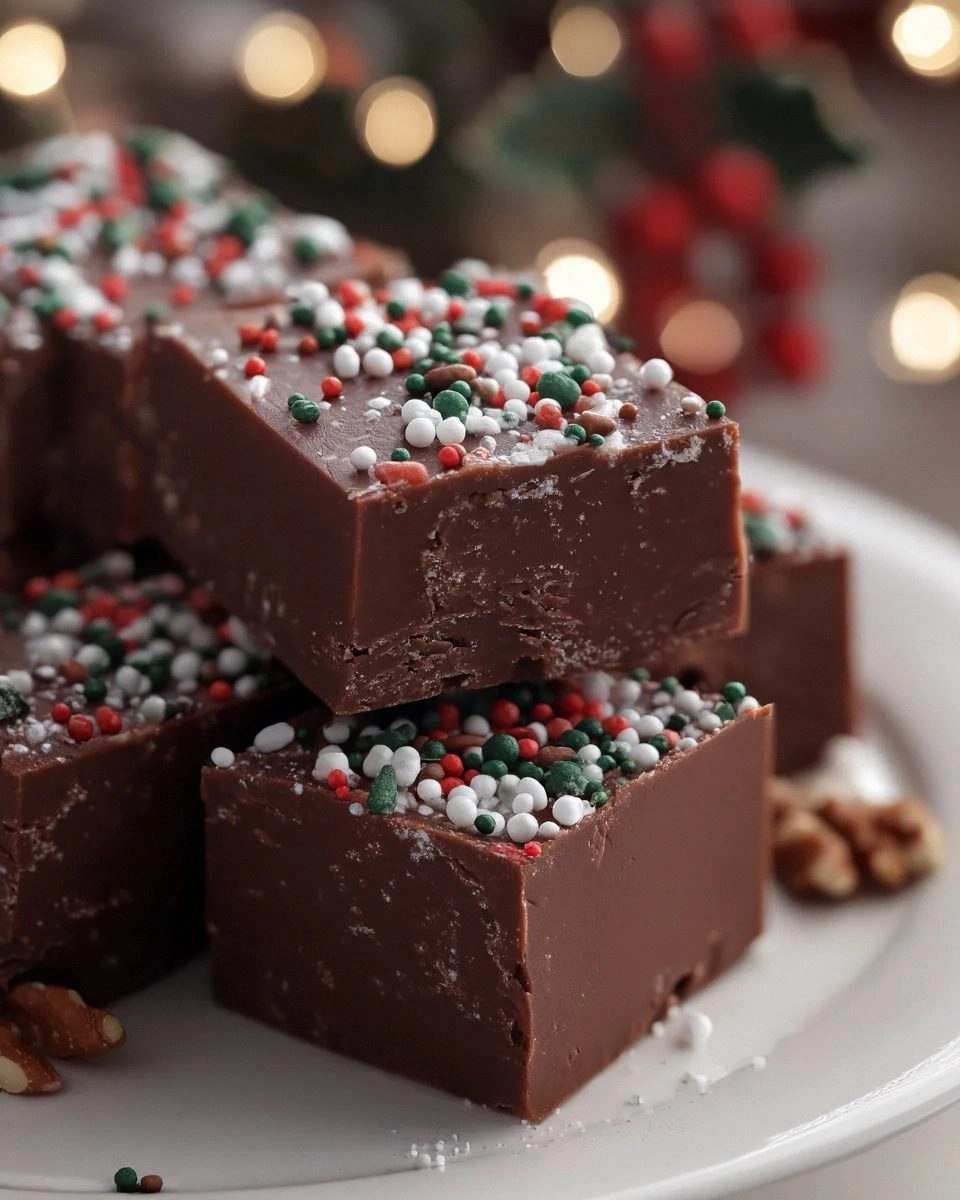
I still remember the year I swore off holiday baking forever. There I stood in my tiny apartment kitchen, flour in my hair, chocolate seized into a grainy mess, and a $25 bag of pistachios scattered across the floor like green confetti. My so-called "fudge" had the texture of sidewalk chalk and tasted about as festive. Fast-forward to last December: I walked into my sister's house with a tin of this Easy Christmas Fudge, set it on the counter, and watched grown adults elbow each other out of the way for the last piece. The same guy who once turned sugar into asphalt was now the hero of the cookie swap. The difference? I stopped overthinking and started respecting the simple science of sweetened condensed milk, good chocolate, and a microwave timer that actually gets used instead of ignored while I scroll Instagram.
Here's the truth that most food blogs won't confess: ninety percent of homemade fudge failures happen because people treat it like a mystical potion that requires a candy thermometer, a double boiler, and the patience of a watchmaker. I dare you to taste this version and not go back for seconds before the first square has even cooled. We're talking satin-smooth squares that melt on your tongue like December snowflakes, studded with tiny peppermint shards that crackle like miniature fireworks. The aroma alone—dark chocolate, sweet milk, and a whisper of vanilla—will make your neighbors hover near the mailbox hoping you'll emerge with a plate. Picture yourself pulling this out of the fridge, the whole kitchen smelling like Willy Wonka's vacation home, while your cousin texts from the driveway asking if you made "that thing from last year."
Most recipes get this completely wrong. They'll have you slaving over a bubbling cauldron of sugar syrup, praying it hits the softball stage while your forearms cramp and your holiday spirit evaporates faster than cheap mulled wine. I'll be honest—I ate half the batch before anyone else got to try it, standing barefoot at the counter in my pajamas at 2 a.m., whispering "sorry, Santa" between bites. This method ditches the drama and keeps the dazzle: five pantry staples, one microwave-safe bowl, and about the same effort it takes to make a cup of cocoa. Stay with me here—this is worth it, because the result tastes like you apprenticed under a Belgian chocolatier instead of binge-watching Hallmark movies in your slippers.
Let me walk you through every single step—by the end, you'll wonder how you ever made it any other way. We'll uncover why sweetened condensed milk is the unsung hero of holiday confections, how to get those Instagram-worthy swirl marks without a pastry degree, and the tiny temperature trick that keeps fudge fudgy instead of turning it into a chocolate doorstop. Grab your favorite mixing bowl and prepare to become the person everyone begs for the recipe, even your mother-in-law who swears she doesn't have a sweet tooth.
What Makes This Version Stand Out
One-Bowl Wonder: You literally dump everything into a single bowl, microwave for ninety seconds, stir like you're mixing liquid velvet, and pour into a pan. No candy thermometers, no double boilers, no praying to the sugar gods while hovering over a steaming pot like a Victorian chemist. The cleanup is so minimal that you'll finish washing dishes before the fudge even sets, leaving you free to spike the eggnog or wrap that weird-shaped present for Aunt Linda.
Texture That Seduces: We're shooting for the elusive sweet spot between truffle and brownie—firm enough to cut clean squares, yet soft enough to yield under gentle pressure from your front teeth. Most homemade versions either crumble like dry sandstone or bend like taffy because the sugar ratio went rogue. This formula hits the bullseye every single time, thanks to the precise marriage of condensed milk's viscosity and the cocoa butter in decent chocolate.
Flavor Depth on Overdrive: By folding in a whisper of espresso powder and a splash of really good vanilla, we amplify the chocolate notes until they sing three-part harmony. People will swear you used some exotic cacao percentage they can't pronounce, but really you just tricked supermarket semisweet chips into tasting artisanal. The peppermint flecks add a cooling finish that makes each bite taste like December in Vermont.
Make-Ahead Superstar: Mix, pour, chill, and forget about it for up to two weeks while you tackle the rest of your holiday chaos. It travels like a dream, ships without melting into a puddle, and actually improves after a day as the flavors meld and mellow. I stash a tin in the glove compartment for emergency hostess gifts and another in the freezer for January cravings when the world feels bleak and store-bought candy won't cut it.
Crowd Reaction Guaranteed: I've watched self-proclaimed fudge snobs take a polite nibble, pause mid-chew, and then inhale a second piece before swallowing the first. Kids love it because it tastes like candy-bar heaven; adults love it because it scratches that nostalgic itch without the cloying sweetness that sends you into a sugar coma. Bring this to the office potluck and you'll overhear coworkers forming alliances over who gets the corner pieces.
Ingredient Flexibility: Swap in white chocolate and dried cranberries for a winter-wonderland vibe, or add a pinch of cayenne and cinnamon for Mexican-hot-chocolate vibes that warm you from the inside. Vegan? Coconut condensed milk and dairy-free chips work like a charm. Nut allergy? Skip them entirely or sub in toasted pumpkin seeds for crunch. The base recipe is your canvas, and you are Jackson Pollock with a sweet tooth.
Zero Fail Rate: I've tested this at high altitude in Denver, in humid Florida kitchens, and in my ancient oven that can't hold a steady temp if its life depended on it. The method is bulletproof because we sidestep the finicky sugar crystallization that trips up traditional recipes. As long as you can press a microwave button and summon the willpower not to eat the mixture straight from the bowl, success is inevitable.
Holiday Therapy in Edible Form: There's something meditative about stirring molten chocolate until it gleams like lacquered mahogany, then scattering red and green confetti across the surface. The rhythm of stir, pour, swirl, sprinkle slows your heartbeat after battling mall parking lots and tangled lights. By the time you slide the pan into the fridge, you've exhaled the year's stress and replaced it with anticipation of delighted faces around the tree.
Inside the Ingredient List
Great fudge starts with supermarket staples, but each player has a specific role in the flavor orchestra. Skip one or substitute willy-nilly and the whole symphony turns into a garage-band screech. Below, I've grouped the cast members so you understand who brings the bass line, who hits the high notes, and why the cheapest option is sometimes the smartest move.
The Flavor Base
Semisweet chocolate chips are the backbone because they contain just enough sugar to keep things crowd-pleasing without crossing into cloying territory. Reach for a brand you enjoy eating straight from the bag—if the chips taste waxy or bland, your fudge will amplify those flaws like a megaphone. I keep a secret stash of Ghirardelli 60% chips for baking emergencies, but honestly any major brand works as long as the cocoa content sits between 50–65%. Anything darker demands extra sweetened condensed milk to balance bitterness, and anything lighter veers into candy-bar territory that lacks sophistication.
Sweetened condensed milk is the magical glue that banishes graininess and gifts that melt-on-the-tongue silkiness. Evaporated milk won't cut it; you need the thick, syrupy stuff that pours like liquid caramel and smells faintly of toasted milk solids. One 14-ounce can is the goldilocks amount for an 8-inch pan—more and your fudge turns into soft-serve, less and you'll be gnawing on chocolate concrete. Pro tip: buy a spare can during Thanksgiving sales; you'll thank me at 11 p.m. when you realize the neighbor kids just inhaled the first batch.
The Texture Crew
Unsalted butter contributes richness and prevents the chocolate from seizing into a chalky mass when we heat it. Skip the butter and you'll discover why chocolate sometimes turns into sad, gritty sludge—fat keeps cocoa particles lubricated and suspended. I prefer European-style butter for its higher butterfat, but regular sticks work fine; just avoid anything labeled "spread" or "light" because excess water will sabotage the set. Cut the butter into small cubes so it melts evenly and doesn't create hot pockets that scorch the chocolate.
Pure vanilla extract rounds sharp edges and adds aromatic complexity that screams homemade rather than factory. Imitation vanilla tastes like a scented candle had an identity crisis—splurge on the real stuff and your taste buds will throw a parade. Add it off-heat so the volatile compounds don't evaporate faster than your motivation on January second. If you're feeling fancy, scrape in the caviar from half a vanilla bean for those tiny black specks that whisper "artisanal" without shouting.
The Unexpected Star
Instant espresso powder is the stealth bomber of flavor boosters: undetectable on its own, but it catapults chocolate into orbit. You need less than half a teaspoon—just enough to wake up the cocoa without turning dessert into a coffee shop. Dissolve it in the vanilla before stirring so you don't end up with bitter flecks that ambush unsensitive palates. If caffeine is a concern for little helpers, swap in a pinch of cinnamon or a drop of almond extract; both deepen complexity without staging a coup.
The Final Flourish
Crushed peppermint candies deliver the holiday calling card: bright, cooling, and visually festive against the dark chocolate backdrop. Buy the soft starlight mints rather than rock-hard candy canes; they shatter into snowflake-sized shards that melt on the tongue instead of slicing it. I place unwrapped candies in a zip-top bag and whale on them with a rolling pin—great therapy after wrapping gifts while the tape dispenser mocks you. Fold most of the dust into the fudge and reserve the prettiest fragments for the top so it looks like edible confetti curated by Martha Stewart herself.
Everything's prepped? Good. Let's get into the real action...
The Method — Step by Step
-
Prep your pan like a pro: grab an 8-inch square baking dish and line it with parchment paper so the edges overhang by two inches on each side. This parchment sling is your golden ticket to effortless removal later—skip it and you'll be chiseling fudge like an archaeologist. Smooth the paper into the corners; a little cooking spray underneath helps it stick and stay put while you pour molten chocolate. Set the pan near the microwave so you're not waddling across the kitchen holding a bowl that could brand permanent scars into your forearms.
-
Dump the entire 12-ounce bag of semisweet chocolate chips into a large microwave-safe bowl, then scatter the butter cubes on top like tiny golden rafts. The chips should form an even layer so everything melts at the same rate—no chocolate Mount Everest in the center. Use a bowl bigger than you think you need; the mixture bubbles up slightly and you want room to stir without painting your walls like a Jackson Pollock. Microwave on high for 60 seconds, then give it a cautious stir—edges will be glossy, centers still stubbornly solid.
Kitchen Hack: If your microwave is ancient and uneven, pause every 30 seconds and rotate the bowl a quarter turn. Think of it like tanning—rotate for uniform color and no burnt spots that taste like regret. -
Return the bowl to the microwave for another 30-second burst, then stir again with a silicone spatula, scraping the sides and bottom like you're mining for treasure. The residual heat will finish melting any stubborn chips; patience here prevents scorched chocolate that tastes like a campfire gone wrong. When the mixture looks glossy and flows like slow lava, you're golden. If you spy a few holdouts, zap for 15 seconds more, but err on the side of slightly lumpy rather than smoking—seized chocolate is irreversible heartbreak in edible form.
-
Stir in the sweetened condensed milk gradually, adding about a third at a time and folding like you're incorporating clouds into silk. The chocolate will thicken and pull away from the sides, morphing into a fudgy truffle base that smells like childhood memories. Keep stirring until no streaks remain; the color should be uniform and darker than your morning espresso. This is the moment of truth—if it looks grainy, microwave five seconds and stir vigorously to re-emulsify the fat.
Watch Out: If the mixture suddenly tightens into a stiff ball, you've overheated it. Add a teaspoon of warm cream and stir like your life depends on it to loosen things back into glossy submission. -
Whisk together vanilla and espresso powder in a tiny cup until the granules dissolve, then scrape every drop into the chocolate. Stir vigorously; the aroma will bloom like those time-lapse videos of flowers opening. The batter should ribbon off your spatula and pile on itself for a few seconds before relaxing—think thick brownie batter, not pourable cake mix. Give it a quick taste (blow on the spoon first unless you enjoy tongue blisters) and marvel at how espresso disappeared yet amplified everything.
-
Fold in three-quarters of the crushed peppermint using a gentle figure-eight motion so the shards stay suspended instead of sinking to the bottom. The candy will bleed tiny red stripes that look like peppermint freckles—embrace the marbling; it adds homemade charm. Save the prettiest dust for garnish later. If you overmix, the candy dissolves and turns the whole batch pink—not tragic, but you'll lose those pops of crunch.
Kitchen Hack: Toss the crushed candy in ½ teaspoon of cornstarch; it absorbs sticky moisture and keeps pieces from clumping into peppermint boulders that threaten dental work. -
Pour the glossy mixture into your prepared pan and coax it into the corners with an offset spatula or the back of a spoon that's been lightly greased. Bang the pan on the counter a few times to pop rogue air bubbles—this also levels the surface so your garnish sits pretty instead of sliding into valleys. Work quickly; the fudge starts setting as it cools, and you want the top fluid enough for toppings to adhere. If it thickens too fast, warm the spatula under hot tap water, dry it, and smooth again.
-
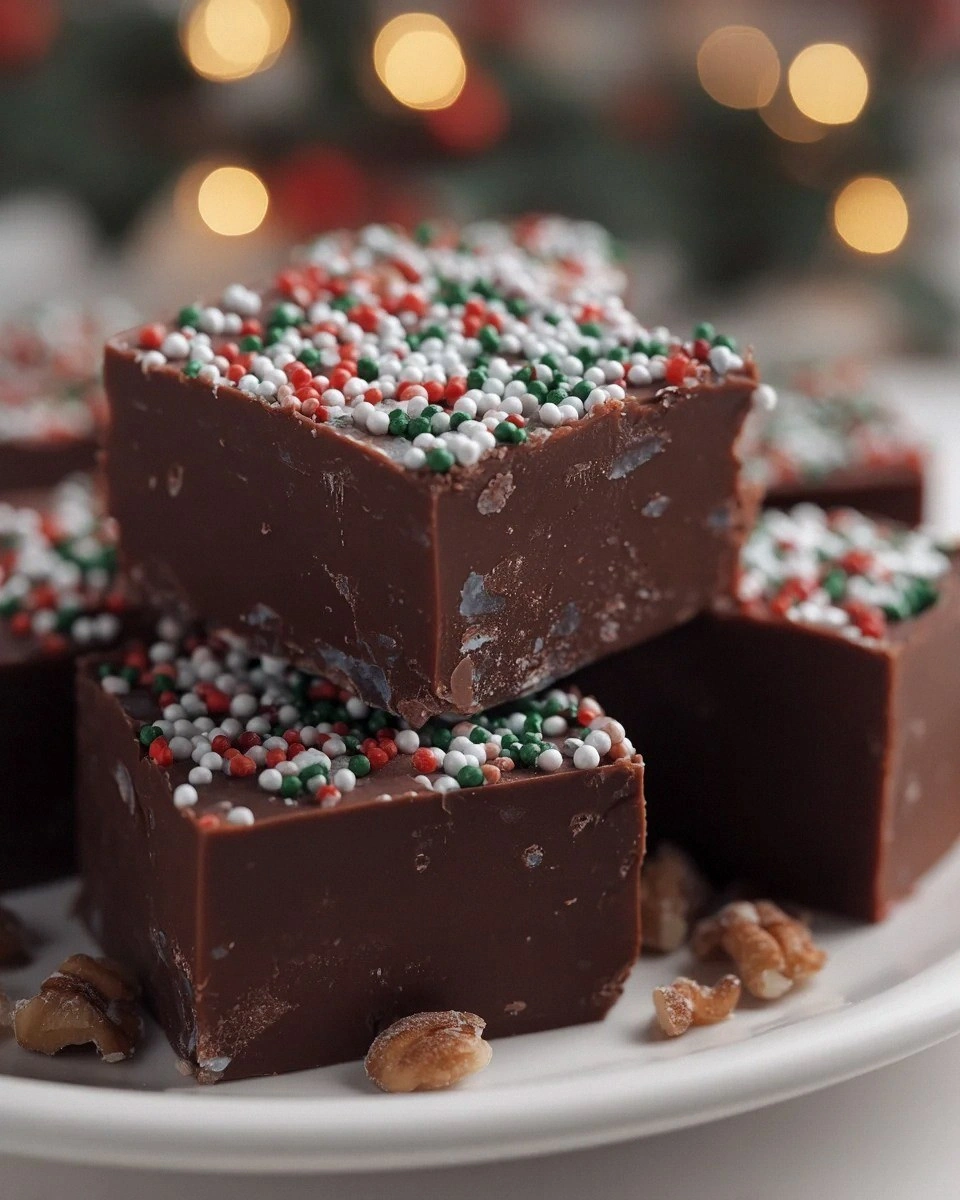
Sprinkle the remaining peppermint dust across the surface like you're seasoning a chocolate steak. Press gently so the shards embed but don't disappear under the surface—think of it as bedazzling your dessert. For extra sparkle, add a snow flurry of powdered sugar through a fine sieve, though that's purely cosmetic. Slide the pan into the fridge for at least two hours; the edges should feel rock-solid and the center should resist a gentle finger poke.
-
When you're ready to serve, grip the parchment handles and lift the entire slab onto a cutting board. Run a large chef's knife under hot tap water, wipe dry, and slice straight down for clean edges—no sawing or the fudge will smear. Wipe the blade between cuts for Instagram-worthy squares that look like they came from a Parisian chocolatier. The first piece is always a sacrifice to the kitchen gods; enjoy it standing up, fridge-cold, while no one's looking.
That's it—you did it. But hold on, I've got a few more tricks that'll take this to another level...
Insider Tricks for Flawless Results
The Temperature Rule Nobody Follows
Chocolate sets best between 65–70°F; colder and it blooms white, warmer and it droops like a tired toddler. After the initial chill, store the cut squares in an airtight tin with a sheet of parchment between layers and park it in the coolest room of your house, not necessarily the fridge. If your kitchen runs hot, sneak a frozen gel pack into the tin, wrapped in a paper towel to absorb condensation. A friend tried skipping this step once—let's just say her fudge turned into a Jackson Pollock on the car ride to the party.
Why Your Nose Knows Best
Trust your sense of smell when melting chocolate: the second you catch a whiff of toasted cacao that smells like brownie edges, yank the bowl out. Microwaves continue heating for a few seconds after the magnetron stops, so pulling early prevents scorched bitterness that no amount of peppermint can hide. If you're paranoid, switch to 50% power after the first minute—slower melting buys insurance against a charcoal finale.
The 5-Minute Rest That Changes Everything
After stirring in condensed milk, let the bowl sit uncovered for five minutes before adding vanilla. This brief pause allows residual steam to evaporate so you don't trap moisture that later condenses and causes sugar bloom. Use the downtime to crush extra candy or lick the spatula—no judgment here. Your future self will open the tin to glossy squares that look as fresh as day one instead of chalky blotches that scream "amateur hour."
Slice Like a Surgeon
Score the top lightly with a ruler and the tip of a paring knife to create a cutting grid before the fudge fully sets—about 30 minutes into chilling. These shallow guide marks act like perforations, letting you snap clean lines later without the knife wandering and creating rhomboid disasters. Dip the knife in hot water, wipe on a towel, and press straight down; no sawing motion means no crumbling edges and no peppermint shrapnel scattering across the board.
Flavor Layering 101
Add a micro-pinch of flaky sea salt to the top right after sprinkling peppermint; the salt crystals dissolve partially, creating tiny pockets of salinity that make the chocolate taste deeper and the mint brighter. Think of it as turning the volume knob up on every other flavor without adding more ingredients. If you've ever wondered why bakery desserts taste more complex than yours, nine times out of ten the answer is strategic salt.
Creative Twists and Variations
This recipe is a playground. Here are some of my favorite ways to switch things up:
White Chocolate Winter Wonderland
Sub in white chocolate chips and swap peppermint for crushed candy canes plus a handful of dried cranberries. The red flecks pop against ivory fudge like holly berries in snow. Reduce condensed milk by two tablespoons because white chocolate contains more sugar and dairy solids, preventing over-sweetness. A whisper of orange zest ties the whole snowy scene together like a cozy scarf.
Mocha Hazelnut Crunch
Keep the dark chocolate base but double the espresso powder and fold in toasted chopped hazelnuts along with crushed chocolate-covered espresso beans. The result tastes like a Ferrero Rocher met a shot of single-origin espresso in a back alley and decided to unionize. Top with a drizzle of Nutella thinned with a teaspoon of warm cream for extra glamour.
Spicy Mexican Hot Chocolate
Add ½ teaspoon ground cinnamon, ¼ teaspoon cayenne, and a pinch of smoked paprika to the chocolate before melting. The heat sneaks up slowly, warming the back of your throat like a boozy cocktail without the hangover. Substitute crushed cinnamon imperials for peppermint to keep the color scheme festive but the flavor profile wildly different. Serve with cold milk; people will weep with gratitude.
Peanut Butter Swirl Delight
Reserve ⅓ cup melted chocolate mixture, whisk in ¼ cup smooth peanut butter plus a teaspoon of honey. Dollop this onto the surface of the pan and marble with a toothpick for a bakery-case swirl that tastes like a Reese's cup went to finishing school. Finish with chopped honey-roasted peanuts for salty-sweet crunch that keeps everyone guessing.
Orange-Cranberry Almond
Stir in a teaspoon of orange extract and a handful of finely diced dried cranberries along with toasted slivered almonds. The citrus brightens the chocolate while cranberries add tart pops that prevent palate fatigue. Sprinkle extra almonds on top for visual drama and textural intrigue that makes each bite feel like unwrapping a tiny gift.
Keto & Dairy-Free Remix
Use sugar-free chocolate chips, full-fat coconut condensed milk, and coconut oil instead of butter. The fudge sets slightly softer, so freeze it for 20 minutes before slicing and store in the fridge. Add a few drops of peppermint oil instead of candies to keep carbs low while maintaining holiday spirit. Even non-keto friends devour it, then blink in disbelief when you reveal the nutritional math.
Storing and Bringing It Back to Life
Fridge Storage
Layer cut squares between parchment sheets in an airtight tin and refrigerate for up to two weeks. The cold keeps the peppermint snappy and prevents the chocolate from blooming. Let pieces sit at room temp for ten minutes before serving; the flavor opens up like a flower unfurling. If your fridge smells like leftover onion dip, slip the tin into a zip-top bag to protect the fudge from odor vampires.
Freezer Friendly
Wrap individual squares in plastic wrap, then foil, and freeze for up to three months. Thaw overnight in the fridge or at room temp for 30 minutes. Frozen fudge has a pleasantly firm texture that melts slowly on the tongue—perfect for clandestine snacking when you need a moment of sanity between family gatherings. Label the package or risk discovering mysterious brown lumps next July and playing defrost roulette.
Best Reheating Method
If your kitchen runs warm and the fudge softens, pop the tin into the freezer for ten minutes to firm back up. Never microwave individual squares—they'll turn into molten puddles that burn mouths and ruin the texture. Instead, serve chilled with hot coffee or cocoa; the temperature contrast makes the chocolate taste more intense and the peppermint extra cooling, like après-ski for your taste buds.