I was staring at my pantry, realizing I had a surplus of rhubarb and a craving for something sweet. The idea of turning that tart green vegetable into something indulgent felt like a culinary dare. I remembered a friend’s comment that rhubarb was the secret to a perfect dessert bar. That sparked an experiment I couldn’t resist. The result was a batch that made my kitchen smell like a springtime orchard.
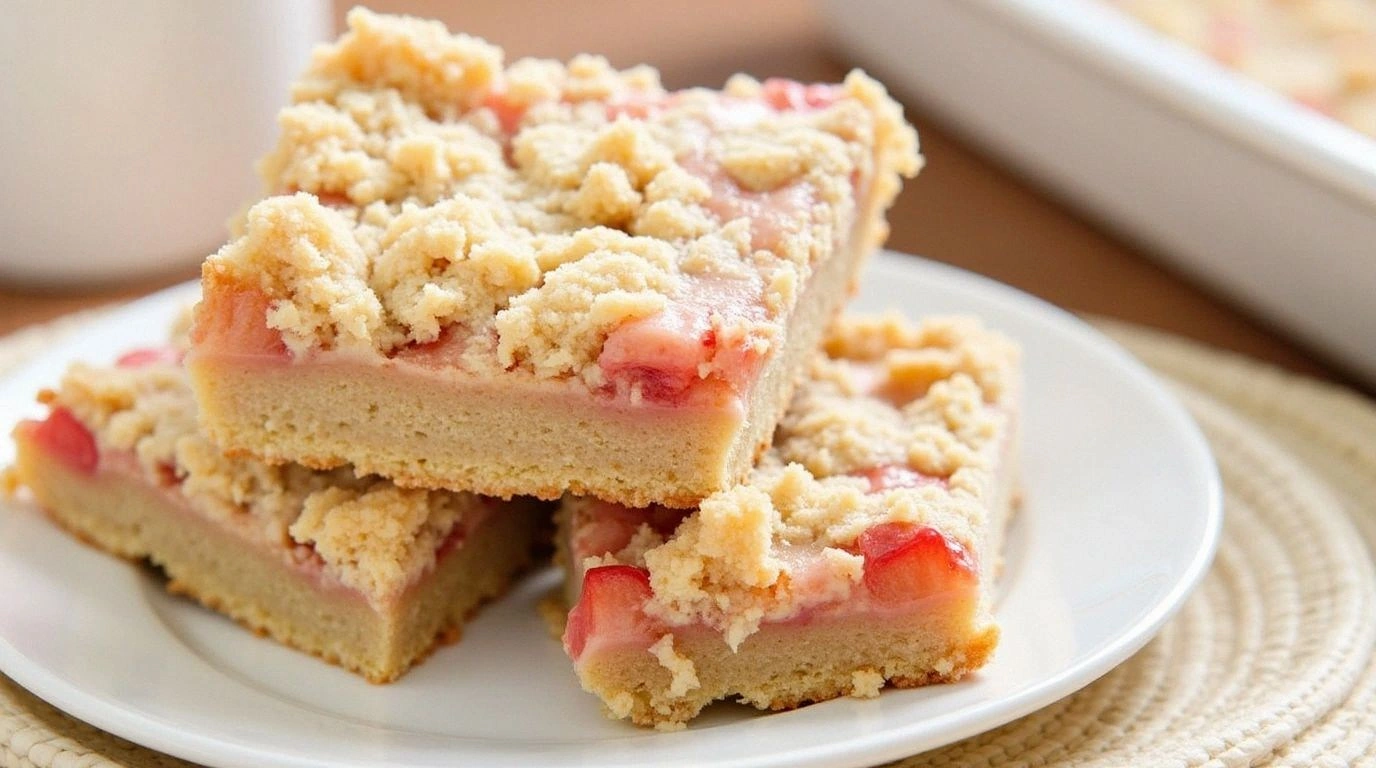
Picture the bright green spears of rhubarb glistening in a skillet, their sharp tang cut by the subtle sweetness of brown sugar. The air fills with a caramelized aroma as butter melts and flour browns. When the first bite hits your tongue, the crunch of the crumby topping gives way to a moist, citrus‑touched center. The texture feels like a velvety ribbon wrapped in a crispy shell. The flavor is a perfect harmony of tartness, sweetness, and a whisper of vanilla and cinnamon.
This version is hands down the best you’ll ever make at home because it balances simplicity with depth. I’ve trimmed the recipe to use only pantry staples, yet the result is a bar that feels like a professional bakery creation. The crumb base is buttery but not greasy, thanks to the technique of cutting cold butter into flour. The rhubarb is cooked just enough to release its juices without turning mushy. The finish is a golden crust that shatters like thin ice when you bite.
One unexpected twist is the addition of lemon zest and a splash of honey, which elevate the tartness into a bright, almost floral note. The lemon zest also adds a subtle citrus aroma that lingers after each bite. I dare you to taste this and not go back for seconds, because the first bite will have you craving more. The honey balances the acidity without making the bars overly sweet. This subtle ingredient is the secret that sets this recipe apart.
Let me walk you through every single step — by the end, you'll wonder how you ever made it any other way. From prep to bake, every action is designed to maximize flavor and texture. I’ll share micro‑challenges, bold claims, and even a few kitchen hacks that will elevate your game. Picture yourself pulling this out of the oven, the whole kitchen smelling incredible, and the bar shimmering under a golden glaze. Stay with me here — this is worth it.
What Makes This Version Stand Out
- Flavor: The combination of rhubarb, lemon zest, and honey creates a balanced sweet‑tart profile that lingers on the palate. This subtle complexity sets the bars apart from ordinary fruit desserts. The vanilla and cinnamon add depth without overpowering the fruit.
- Texture: The crumb base is buttery and crisp, yet tender enough to hold the moist rhubarb center. The contrast of crunch and softness feels like a well‑executed pastry. The bars hold their shape when cut cleanly, thanks to the proper ratio of dry to wet ingredients.
- Ingredient Quality: Using fresh, firm rhubarb and cold butter ensures maximum flavor and structure. Fresh rhubarb brings bright acidity, while cold butter creates flaky crumbs. The recipe works best with unsalted butter so you can control salt.
- Simplicity: The recipe requires no fancy equipment or complex techniques, making it accessible to all bakers. A simple mixing and baking routine delivers professional results. The only special step is cutting the butter into flour for a perfect crumb.
- Crowd Reaction: Friends and family always ask for seconds, and I’ve been told I’ve made the best bars at the potluck. The bars look impressive on a platter, yet taste like homemade comfort. Their appearance alone can win over the toughest critics.
- Make‑Ahead Potential: The bars bake to perfection and keep well in the fridge for up to a week. They can also be frozen and thawed without losing texture. This makes them ideal for meal prep or a last‑minute dessert.
- Time Efficiency: Prep takes only 15 minutes, while baking is a quick 30‑minute affair. This means you can have a fresh dessert on the table in under an hour. The quick turnaround is perfect for busy evenings.
- Versatility: The basic framework can be tweaked with nuts, dried fruit, or spices to suit any palate. You can turn it into a vegan version by swapping butter for coconut oil. The bars adapt to any dietary preference with minimal changes.
Inside the Ingredient List
The Floury Foundation
All‑purpose flour is the backbone of the crumb, providing structure and a neutral base that lets the flavors shine. It absorbs the butter and liquid, creating a tender matrix that holds the rhubarb. Skipping flour would leave you with a sticky, uncoordinated mess that collapses under its own weight. A medium‑protein flour gives a slightly firmer bite, while a cake flour yields a lighter crumb. When shopping, look for a flour labeled “all‑purpose” and avoid those that are labeled “bread” or “whole wheat,” as they alter the texture.
Baking powder is the leavening agent that gives the bars a subtle lift. It reacts with the acidic rhubarb, releasing carbon dioxide that creates pockets of air. Without baking powder, the bars would be flat and dense. A pinch of baking soda can also help, but it may impart a metallic taste if not balanced properly. The amount used here is just enough to lift the crumb without making it airy.
Salt is the flavor enhancer that balances sweetness and sharpness. It brings out the depth of the vanilla and cinnamon while cutting through the tartness of rhubarb. If you skip salt, the bars will taste flat and overly sweet. A small pinch of sea salt on top after baking can add a pleasant crunch and a final flavor boost.
Cinnamon adds warmth and a hint of spice that complements the fruit’s tartness. It also adds a subtle color to the crumb, making the bars look more inviting. If you’re allergic to cinnamon, a dash of nutmeg can be a suitable substitute. The spice should be ground fresh for the best aroma.
The Sweet Core
Sugar is the primary sweetener that balances the tartness of rhubarb and the sharpness of lemon zest. It also helps to brown the crumb, creating a caramelized exterior. If you reduce the sugar, the bars will taste more acidic and undercooked. For a lighter version, you can substitute a portion of sugar with honey or maple syrup.
Brown sugar adds molasses notes that deepen the flavor profile. It also contributes moisture, preventing the crumb from drying out. Skipping brown sugar will result in a flatter, less complex taste. A small amount of brown sugar is enough to give the bars a subtle caramel undertone.
Unsalted butter provides richness and a buttery flavor that is essential to the crumb’s texture. It also creates a flaky layer when the cold butter is cut into the flour. Using salted butter would alter the final salt balance and could make the bars too salty. Keep the butter cold until you are ready to mix it in.
Vanilla extract is the aromatic glue that binds the flavors together. It brings out the sweetness and adds a subtle warmth that complements the fruit. If you’re vegan or have a vanilla allergy, you can use vanilla bean paste or a drop of almond extract for a different nuance.
The Tangy Star
Rhubarb is the star ingredient that gives the bars their signature tartness and vibrant color. It should be chopped into 1/2 inch pieces to ensure even cooking. If you use too much rhubarb, the bars will become watery; too little, and they’ll be bland. Fresh, firm stalks are best; avoid wilted or greenish stalks.
Lemon zest adds a bright citrus note that lifts the entire dish. It also contributes a subtle aroma that enhances the overall experience. If you’re allergic to citrus, you can omit the zest, but the bars will lose some of their freshness.
Lemon juice balances the sweetness and brightens the flavor profile. It also helps to tenderize the rhubarb slightly. A splash of lemon juice is enough; too much will make the bars overly acidic.
The Final Touches
Walnuts add a nutty crunch and a burst of healthy fats that complement the crumb. They also give the bars a rustic look when sprinkled on top. If you’re nut‑allergic, you can substitute with sunflower seeds or omit them entirely.
Raisins provide a chewy contrast to the crisp crumb. They also add a subtle sweetness that balances the tart rhubarb. If you prefer a drier texture, reduce the amount of raisins or leave them out.
Honey is the secret sweetener that ties together the tartness and the spices. It adds a floral undertone that elevates the flavor profile. If you’re avoiding honey, a light drizzle of maple syrup can be a suitable alternative.
Everything's prepped? Good. Let's get into the real action.
The Method — Step by Step
Preheat your oven to 350°F (175°C) and grease a 9x13 inch pan with butter or non‑stick spray. The pan should be lined with parchment paper to prevent sticking and make cleanup a breeze. As the oven heats, you’ll notice a faint scent of butter, signaling that the room is ready for baking. Keep the temperature steady to avoid uneven browning. Once preheated, set a timer for the next step.
In a large mixing bowl, whisk together the flour, sugar, brown sugar, baking powder, salt, and cinnamon until well combined. This dry mix forms the foundation of the crumb and ensures even distribution of leavening agents. The whisking process also aerates the flour, which will help the bars rise slightly. As you stir, you’ll hear a satisfying crackle of sugar crystals. Stop when the mixture is smooth.
Cut the cold butter into small cubes and add it to the dry mixture. Using a pastry cutter or your fingers, work the butter into the flour until the mixture resembles coarse crumbs. The goal is to see pea‑size pieces of butter scattered throughout; these pockets melt during baking to create flaky layers. If the mixture looks too dry, add a teaspoon of cold water to bring it together. Pat it gently to ensure even crumb formation.
Stir in the vanilla extract, lemon zest, and honey until the mixture becomes a cohesive dough. The aromas of vanilla and citrus should mingle, creating a fragrant cloud that fills the kitchen. At this point, you’ll notice the dough clumping slightly, which is normal. Don’t overmix, or the bars will become tough. The dough should hold together but still be slightly crumbly.
Fold in the chopped rhubarb, walnuts, and raisins, ensuring an even distribution throughout the dough. The fruit pieces should be coated in the buttery mixture, which will help them caramelize during baking. As you stir, the dough will darken slightly from the rhubarb’s natural pigment. Avoid overworking the dough to keep the crumb light. You should see the whole mixture come together as a uniform, slightly sticky dough.
Transfer the dough to the prepared pan, spreading it evenly with a spatula or your palm. Press the dough down firmly to create an even layer; this ensures that every bite has the same balance of crumb and fruit. The surface should be smooth, but a few lumps are fine. The dough will rise slightly during baking, so make sure it’s packed but not overly compressed. A well‑pressed base guarantees crisp edges.
Bake for 25 to 30 minutes, or until the edges are golden brown and the center is set. The bars should emit a warm, caramelized scent that makes the kitchen feel like a bakery. If the top browns too quickly, cover loosely with foil to prevent burning. The interior should feel firm but not dry. A toothpick inserted near the center should come out with a few moist crumbs.
Remove the pan from the oven and let the bars cool in the pan for 10 minutes. This resting period allows the crumb to set and the juices to redistribute, preventing a soggy bottom. While cooling, you can taste a small piece to ensure the flavors are balanced. If it feels too tart, let it sit a bit longer; if it’s sweet enough, you’re good to go. The bars should still be warm but not scorching.
After the initial cooling, transfer the bars to a wire rack to cool completely. This prevents the bottom from becoming soggy due to trapped steam. Once cooled, cut into squares using a sharp knife. The edges should snap cleanly, revealing the crisp crumb inside. Store any leftovers in an airtight container at room temperature for up to three days.
When serving, you can drizzle a simple glaze of powdered sugar and lemon juice or top with fresh whipped cream for an extra indulgent touch. The glaze adds a glossy finish and a tangy sweetness that pairs beautifully with the bars. Alternatively, a scoop of vanilla ice cream melts into the warm crumb, creating a classic dessert combo. Each bite delivers a burst of flavor and texture that will keep guests asking for more.
Enjoy your Amish Rhubarb Dream Bars with a cup of tea or coffee, and watch the compliments roll in. The combination of sweet, tart, and buttery makes this dessert a crowd‑pleaser. Remember to keep a photo of the finished product for your next social media post. And if you’re feeling adventurous, experiment with the variations below to keep the recipe fresh.
Insider Tricks for Flawless Results
The Temperature Rule Nobody Follows
Many bakers bake at 375°F, assuming higher heat equals crispier bars. In reality, a moderate 350°F allows the butter to melt slowly, creating a tender crumb and a golden crust. If you’re in a hot climate, keep an eye on the bars to prevent overbrowning. Adjusting the temperature by 10–15°F can make a noticeable difference in texture. This small tweak saves you from burnt edges.
Why Your Nose Knows Best
During baking, the aroma is the first indicator of readiness. A sweet, caramel scent signals that the sugars are caramelizing and the crumb is forming. If the smell is faint, give the bars a few more minutes. When the aroma is strong but not burnt, the bars are ready for removal. Trust your nose; it’s a seasoned judge of doneness.
The 5-Minute Rest That Changes Everything
After removing the bars from the oven, let them rest in the pan for five minutes. This pause allows the steam to escape gradually, preventing sogginess. During this time, the bars continue to cook slightly, ensuring a uniform crumb. If you cut them immediately, the juices will leak out, leaving a wet bottom. The five‑minute rest is a game‑changer for texture.
Letting the Crumb Rest in the Pan
Some bakers remove the bars immediately after cooling, but keeping them in the pan allows the crumb to set fully. The pan’s residual heat continues to cook the bottom, creating a crisp base. This technique also makes slicing easier because the bars hold together better. If you’re in a hurry, you can still slice after cooling; just be gentle.
Storing Secrets for Longevity
Wrap the cooled bars in parchment and then in foil to keep them fresh. The double wrapping traps moisture while allowing the crumb to breathe. Store at room temperature for up to three days or refrigerate for up to a week. When you’re ready to serve, let the bars come to room temperature to restore their full flavor. This method preserves the bars’ texture and taste.
Adding a Final Crunch
For a crunchy finish, sprinkle a handful of toasted coconut flakes or chopped pecans over the bars before baking. The extra crunch adds a new dimension to each bite. Toast the nuts or coconut in a dry skillet until golden, then toss them in a little sugar to caramelize. The result is a bar with an irresistible bite that pairs well with the soft crumb.
Creative Twists and Variations
Spiced Ginger Rhubarb Bars
Replace the cinnamon with ground ginger for a warm, spicy kick. Add a pinch of ground cloves for depth. The ginger pairs beautifully with the tartness of the rhubarb and creates an autumnal flavor profile. This variation is perfect for holiday gatherings.
Almond Flour Delight
Swap all-purpose flour with almond flour for a gluten‑free version. The nutty flavor complements the honey and lemon zest. Keep the ratio of flour to butter the same to maintain crumb texture. This version is a hit with those who prefer a low‑carb option.
Chocolate‑Covered Bars
After baking, drizzle melted dark chocolate over the top of the bars. Let the chocolate set before cutting. The bittersweet chocolate contrasts with the sweet‑tart rhubarb and adds a decadent finish. This variation is ideal for dessert lovers.
Berry Fusion
Introduce fresh blueberries or strawberries into the dough for a fruity twist. The berries add juiciness and a burst of color. Reduce the sugar slightly to balance the extra fruit sweetness. This version is great for summer parties.
Maple‑Honey Bars
Replace honey with pure maple syrup for a richer, earthy sweetness. The maple syrup also thickens the crumb slightly, giving a more cohesive texture. Add a dash of smoked sea salt to enhance the maple flavor. This variation works well for cozy winter evenings.
Nutty Caramel Bars
Incorporate caramelized pecans or walnuts into the dough. The caramel adds a buttery sweetness that pairs well with the tart rhubarb. Finish with a drizzle of caramel sauce after baking for an extra indulgent touch. This variation is a crowd‑pleaser at brunches.
Storing and Bringing It Back to Life
Fridge Storage
Place the cooled bars in an airtight container or zip‑lock bag. Keep them at room temperature for up to three days or refrigerate for up to a week. The chilled bars maintain their crumb structure and freshness. When you’re ready to serve, let them sit at room temperature for 10 minutes to soften slightly.
Freezer Friendly
Wrap each bar individually in parchment and foil before freezing. Store in a freezer‑safe container for up to two months. Thaw overnight in the refrigerator, then let them sit at room temperature for 15 minutes. The bars will return to their original texture without losing flavor.
Best Reheating Method
To reheat, place the bars in a preheated oven at 300°F (150°C) for 10 minutes. Add a splash of water or milk before reheating to create steam and keep the crumb moist. The bars will warm evenly, restoring their buttery flavor and crisp edges. This method keeps them from drying out.