I still remember the night I tried to make lamb for the first time, only to end up with a dry, flavorless mess that looked more like a charcoal sculpture than dinner. The oven door was open, the lamb was staring back at me like a stubborn beast, and I was left with a kitchen that smelled of burnt garlic and disappointment. But that disaster sparked a mission: to find the ultimate slow oven‑braised lamb that would make my friends swoon, my family beg for seconds, and my taste buds sing. This recipe is the culmination of that mission, a dish that marries the deep, savory notes of lamb with the bright, buttery crunch of spring vegetables, all simmered to perfection in a low, slow oven.
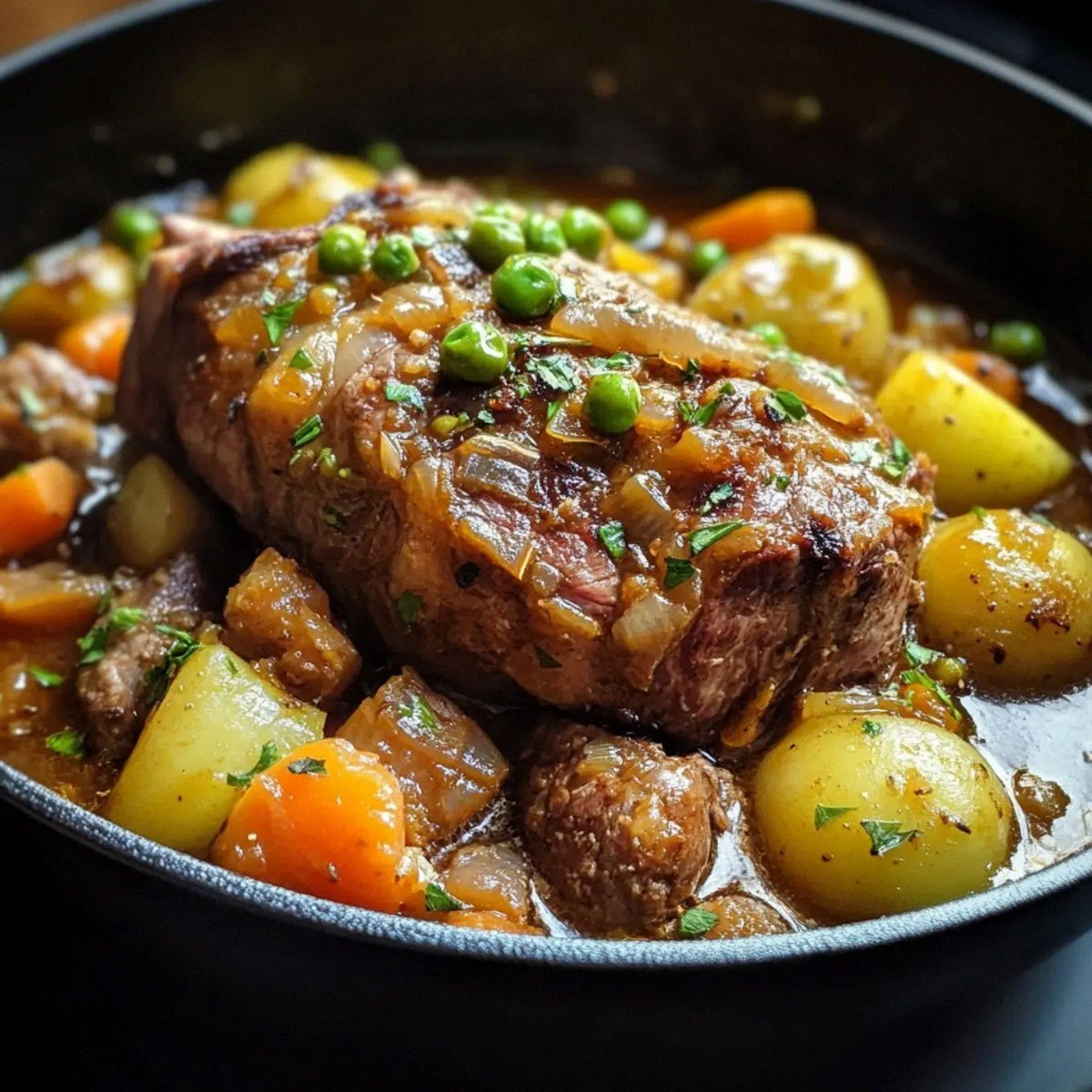
Picture the first bite: the lamb is so tender it practically dissolves, the sauce clings to it like a velvet cloak, and the vegetables pop with a gentle crunch that echoes the freshness of early spring. The aroma that fills the kitchen is a heady blend of rosemary, garlic, and a splash of white wine that whispers of rustic taverns. The sound of the pot simmering is a comforting, rhythmic thrum that tells you the meal is on the cusp of greatness. The texture is a delightful contrast: silky meat, crisp carrots, and tender potatoes that hold their shape. And the finish? A bright, citrusy lift from lemon zest that cuts through the richness and leaves you craving more.
What makes this version stand out is a simple yet bold approach that refuses to overcomplicate the classic braise. By searing the lamb first, we lock in deep, caramelized flavors that create a sauce that coats the meat like velvet. The use of fresh rosemary and a splash of dry white wine adds a bright acidity that balances the lamb's natural fattiness. The vegetables are intentionally chosen for their seasonal snap and natural sweetness, creating a harmonious medley that elevates every bite. And the final touch—crisp crusty bread—provides the perfect vehicle for soaking up the luscious sauce.
But there’s a twist you won’t expect: a secret deglazing technique that turns pan drippings into a silky reduction without the need for heavy cream or butter. I dare you to taste this and not go back for seconds—your taste buds will be in a state of pure bliss. And if you’ve ever struggled to keep vegetables from becoming mushy in a braise, I’ve got a fix that works every time. Picture yourself pulling this out of the oven, the whole kitchen smelling incredible, and knowing you’ve just made the best lamb of your life. Let me walk you through every single step—by the end, you’ll wonder how you ever made it any other way.
What Makes This Version Stand Out
- Flavor Depth: The initial sear creates a caramelized crust that locks in juices, turning a simple lamb shoulder into a savory masterpiece. The pan drippings are then deglazed with wine, extracting every aromatic note and forming a sauce that clings to the meat like velvet.
- Texture Contrast: The lamb melts in your mouth while the carrots stay crisp and the potatoes keep a firm bite, ensuring each forkful offers a different experience. This balance prevents the dish from feeling heavy or uniform.
- Ingredient Simplicity: With just a handful of staples—garlic, rosemary, olive oil, and white wine—the recipe stays approachable yet sophisticated. It’s a reminder that great flavor doesn’t require a pantry full of exotic spices.
- Seasonal Freshness: Spring vegetables are at their peak, delivering natural sweetness that complements the rich lamb. Their bright colors also make the dish visually stunning.
- Make‑Ahead Friendly: The braise can be prepared ahead, and the flavors deepen overnight, making it ideal for busy weeknights or dinner parties. The next day, you just reheat and serve.
- Crowd‑Pleaser: Even the pickiest eaters love the tender meat and the comforting, aromatic sauce. I’ve seen people request seconds before the first bite.
- Balanced Nutrition: The lamb provides lean protein, while the vegetables add fiber and vitamins, keeping the dish wholesome. It’s a balanced plate that satisfies without guilt.
- Low‑Energy Cooking: Slow oven braising requires minimal active time, freeing you to entertain or relax while the flavors develop. It’s a stress‑free way to cook a showstopper.
Inside the Ingredient List
The Flavor Base
The lamb shoulder is the star, bringing a robust, meaty foundation that demands attention. Garlic and rosemary are the aromatic duo that infuse the meat with a fragrant bouquet, while a splash of dry white wine cuts through the richness and adds a subtle brightness. Olive oil is the medium that carries the flavors and helps create a silky sauce. Salt and black pepper are the essential seasonings that elevate every component, ensuring no single ingredient overpowers the others. Together, they form a symphony of savory notes that will linger long after the last bite.
If you’re in a pinch, a dry red wine can replace the white wine for a deeper, fruitier undertone, though it will slightly alter the sauce’s hue. For a touch of sweetness, add a small spoonful of honey or brown sugar—just enough to balance the acidity. When selecting lamb, look for a shoulder with a good marbling pattern; the fat will render during braising, creating a silky texture. Avoid pre-seasoned or pre-marinated cuts, as they can mask the fresh flavors you’re building.
The Texture Crew
Carrots bring a natural sweetness and a satisfying crunch that contrasts the tender lamb. New potatoes offer a creamy interior that holds up well during long braises, while green beans add a bright green pop that keeps the plate from feeling too heavy. Peas or pea pods contribute a pop of color and a subtle earthiness that complements the other vegetables. Together, they create a harmonious balance of textures that keep each bite interesting.
If fresh peas are out of season, frozen peas work just fine; thaw them before adding to maintain their shape. For a different twist, swap carrots for parsnips or butternut squash to introduce a caramelized sweetness. When choosing potatoes, small new potatoes are ideal because they stay firm and absorb flavors without disintegrating. Don’t skimp on the vegetables—each one plays a vital role in the overall flavor profile.
The Unexpected Star
Spring onions add a mild onion flavor that brightens the dish without overpowering the lamb. Fresh lemon zest injects a citrusy spark that cuts through the richness, while parsley provides a fresh, herbaceous finish that lifts the entire plate. These ingredients may seem modest, but their impact is significant, adding layers of freshness that keep the dish from feeling heavy.
If you can’t find fresh parsley, a handful of chopped cilantro offers a slightly different but equally refreshing twist. For a more pronounced citrus note, add a teaspoon of lemon juice in addition to the zest. If you’re a fan of a bit of heat, sprinkle a pinch of red pepper flakes with the garlic during the searing step.
The Final Flourish
A crusty loaf of bread is the perfect companion, ready to soak up the luscious sauce. The bread’s chewy interior and crisp crust create a satisfying contrast to the tender lamb and vegetables. It also adds a comforting, homey feel to the meal, making it feel like a true comfort dish.
If you’re a fan of extra crunch, lightly toast the bread in a skillet with a drizzle of olive oil before serving. For a richer experience, brush the bread with a mixture of melted butter and minced garlic. Store the bread at room temperature for up to a week; a quick reheat in the oven will restore its crispness.
Everything's prepped? Good. Let's get into the real action...
The Method — Step by Step
- Preheat your oven to 325°F (165°C). Pat the lamb shoulder dry with paper towels to ensure a good sear. Season the meat generously with salt and black pepper, pressing the seasoning into the surface. Let it sit at room temperature for 20 minutes so it can cook evenly.
- Heat a heavy Dutch oven or oven‑safe skillet over medium‑high heat and add the olive oil. Once the oil shimmers, place the lamb in the pan and sear each side until a deep golden crust forms—about 4–5 minutes per side. This caramelized layer is where the flavor magic begins. When the lamb is done, remove it and set it aside.
- Reduce the heat to medium and add the minced garlic and rosemary to the pan. Sauté until the garlic becomes fragrant, about 30 seconds—watch it closely to avoid burning. Pour in the white wine to deglaze, scraping up any browned bits from the bottom of the pan. Let the wine reduce by half, concentrating the flavors into a rich, aromatic base.
- Return the lamb to the pot, nestling it among the aromatic liquid. Arrange the carrots, potatoes, green beans, and peas around the meat, ensuring they’re submerged in the sauce. Cover the pot with a tight-fitting lid and transfer it to the preheated oven. The low, slow heat will break down the lamb’s connective tissue, rendering it melt‑in‑your‑mouth tender.
- Bake for 2 hours, then carefully flip the lamb and vegetables to ensure even cooking. Baste the meat with the pan juices every 20 minutes to keep it moist and flavorful. At the 2‑hour mark, check the internal temperature—it should read 160°F (71°C) for medium‑rare or 170°F (77°C) for a slightly firmer bite.
- Remove the pot from the oven and let the lamb rest uncovered for 15 minutes. This resting period allows the juices to redistribute, ensuring every slice is juicy. While the lamb rests, reduce the remaining liquid on the stovetop to thicken into a silky sauce.
- Finish the sauce with a splash of lemon zest and a handful of chopped parsley, stirring until fragrant. Slice the lamb into thick, generous medallions and arrange them on a platter. Spoon the reduced sauce over the meat and scatter the vegetables around for a beautiful, colorful presentation.
- Serve immediately with warm crusty bread to soak up the sauce. If you’re entertaining, place the bread on a platter beside the lamb so guests can dig in at their leisure. Remember, this dish is best enjoyed hot, so keep the oven preheated if you’re serving a crowd.
That's it — you did it. But hold on, I've got a few more tricks that'll take this to another level...
Insider Tricks for Flawless Results
The Temperature Rule Nobody Follows
Many cooks think that a higher oven temperature will speed up the braise, but low, steady heat is the secret to tender lamb. Set the oven to 325°F (165°C) and let the lamb cook for the full 2 hours; this allows collagen to break down into gelatin without drying the meat. If you’re short on time, lower the temperature to 300°F (150°C) and extend the cooking time by 30 minutes—quality never takes a shortcut.
Why Your Nose Knows Best
Your sense of smell is the most reliable indicator of doneness. As the lamb cooks, the aroma will shift from sharp, raw meat to a warm, savory scent. When the smell becomes rich and buttery, it’s a sign the meat is ready to come out of the oven.
The 5‑Minute Rest That Changes Everything
Resting the lamb for just five minutes before slicing can make the difference between a dry, uneven cut and a perfectly juicy slice. During this short pause, the juices redistribute, preventing them from spilling onto the cutting board.
The Roasting Rack Trick
Using a roasting rack elevates the lamb, allowing steam to circulate and keeping the meat from sitting in its own juices. This results in a slightly crisper exterior and a more even cook. If you don’t have a rack, simply elevate the lamb on a bed of sliced onions or a layer of sliced potatoes.
Preventing Vegetable Mushiness
To keep the carrots and green beans crisp, add them to the pot halfway through the cooking time. This way, they’ll finish cooking just in time, maintaining their bright color and satisfying bite.
Finishing with Fresh Herbs
A handful of chopped parsley and a touch of lemon zest added at the end brightens the dish and balances the richness. For an extra punch, sprinkle a pinch of crushed red pepper flakes just before serving.
Creative Twists and Variations
Moroccan Spiced Lamb
Replace the rosemary with a blend of cumin, coriander, cinnamon, and smoked paprika. Add a handful of dried apricots and a splash of orange juice to introduce a sweet, fruity note that complements the lamb’s richness.
Mediterranean Herb Lamb
Swap the fresh rosemary for a mixture of thyme, oregano, and basil. Finish with a drizzle of olive oil and a squeeze of lemon after serving for a bright, herbaceous finish.
Red Wine Braise
Use a dry red wine instead of white for a deeper, berry‑rich sauce. Add a splash of balsamic vinegar in the final 15 minutes to caramelize the liquid and create a glossy glaze.
Lemon‑Pepper Lamb
Increase the lemon zest to two teaspoons and add a generous pinch of cracked black pepper to the seasoning mix. The citrus will cut through the lamb’s richness while the pepper adds a subtle heat.
Vegetarian Swap
Replace the lamb with a large eggplant roast or a hearty portobello mushroom. Follow the same braising steps, adding extra vegetable stock to keep the dish moist.
Slow Cooker Version
Transfer the entire pot to a slow cooker set on low for 8 hours or on high for 4 hours. The slow cooker’s gentle heat will break down the lamb even more, creating an ultra‑tender result.
Storing and Bringing It Back to Life
Fridge Storage
Cool the dish completely, then transfer the lamb and vegetables to an airtight container. Store in the refrigerator for up to four days. The flavors will deepen overnight, making it even more delicious the next day.
Freezer Friendly
Wrap the lamb tightly in aluminum foil and place it in a freezer‑safe bag. It will keep for up to three months. When ready to eat, thaw overnight in the refrigerator and reheat in a low oven at 300°F (150°C) until warmed through.
Best Reheating Method
Reheat the lamb and vegetables in a covered skillet over medium heat, adding a splash of water or broth to keep the sauce from drying out. Finish with a drizzle of olive oil and a sprinkle of fresh parsley for a fresh, restaurant‑style presentation.