I remember the night of the kitchen disaster as if it were yesterday. I was trying to impress a group of friends with a show‑stopping dessert, and the first thing that went wrong was the batter. It had turned from a silky, glossy dream into a clumpy, dry mess that clung to the whisk like a stubborn ex. The room was filled with the faint scent of burnt sugar and the sound of my frantic, “Not again!” moments. The look on my friends’ faces when I pulled that failed cake out of the oven was priceless, and I vowed to never let that happen again.
That night, I was determined to find a recipe that would not only save the day but also become a staple on my dessert menu. I spent the next week experimenting, tweaking, and tasting until I finally hit the sweet spot: a Swiss roll that was airy, chocolatey, and packed with a silky whipped‑cream filling that melts in your mouth. Every bite feels like a velvety ribbon of cocoa, and the light, airy crumb lets the filling glide effortlessly across your palate. The aroma is intoxicating—rich chocolate mingles with the buttery, vanilla undertones that make your kitchen feel like a cozy bakery.
What makes this version stand out is not just the flavor; it’s the technique. I discovered that whipping the butter and sugar together until they’re light and fluffy creates a foundation that keeps the cake moist even after the filling is added. I also learned that incorporating cocoa powder into the batter, rather than sprinkling it on top, gives the entire roll a deep, chocolatey taste that is unmistakably decadent. The filling is made with freshly whipped cream, powdered sugar, and a splash of vanilla—simple, yet it elevates the whole experience. And the final touch? A glossy ganache glaze that gives the roll a professional finish.
I dare you to taste this and not go back for seconds. The first bite will have you questioning why you ever settled for ordinary desserts. Picture yourself pulling this out of the oven, the whole kitchen smelling incredible, and your friends’ eyes widening as they see that golden, glossy roll. I’ve spent countless hours perfecting the balance of moisture, sweetness, and texture, and this is hands down the best version you'll ever make at home. Let me walk you through every single step — by the end, you'll wonder how you ever made it any other way.
What Makes This Version Stand Out
- Texture: The batter is beaten to a cloud‑like consistency that yields a cake that is both fluffy and resilient. The result is a roll that holds its shape while still yielding to a gentle press of your fingers.
- Flavor: Using 1/2 cup of cocoa powder integrated into the batter ensures a deep chocolate flavor that isn’t overbearing, while the vanilla extract gives it a subtle warmth.
- Moisture: The butter is creamed with sugar until light, and the addition of milk keeps the cake moist without making it soggy. The filling adds an extra layer of hydration that keeps the roll fresh for days.
- Ease: The method uses basic kitchen tools—no special equipment. All you need is a silicone baking sheet and a stand mixer, which most home bakers already own.
- Crowd Reaction: Friends always ask for a second slice, and sometimes even a third. The roll’s appearance is as impressive as its taste, making it a conversation starter at any gathering.
- Ingredient Quality: A single high‑quality chocolate bar and fresh cream make all the difference. I recommend using a chocolate that’s at least 70% cacao for a robust flavor.
- Make‑ahead Potential: The cake can be baked and cooled in advance, then filled and rolled on the day of serving. It’s perfect for parties where you need to prepare a few hours ahead.
- Presentation: The glossy ganache glaze gives the roll a professional look. When you slice it, the layers of cake and cream are visible, creating an Instagram‑worthy aesthetic.
Alright, let's break down exactly what goes into this masterpiece…
Inside the Ingredient List
The Flavor Base
The foundation of any great Swiss roll starts with the batter. The flour, sugar, baking powder, and salt work together to create a light, airy crumb that can support the filling without collapsing. The cocoa powder is what gives the cake its chocolatey depth; it’s best added directly into the dry mixture so it’s evenly distributed. If you’re feeling adventurous, swap the cocoa for espresso powder to give the roll a subtle coffee kick that pairs wonderfully with the whipped‑cream filling.
The Texture Crew
Butter is the secret weapon for moisture. Cream it with sugar until it’s pale and fluffy; this incorporates air and creates a tender crumb. Whole eggs add richness and structure, while vanilla extract provides a fragrant, sweet undertone that balances the cocoa. Milk, in small amounts, keeps the batter moist and prevents it from drying out during baking. If you’re using a stand mixer, beat on medium speed until the batter is smooth and glossy—no lumps allowed.
The Unexpected Star
Heavy cream is the star of the filling. Whipped to soft peaks, it’s light enough to stay airy but rich enough to carry the powdered sugar and vanilla. The key is to whip it just until it holds soft peaks; over‑whipped cream will become buttery and lose that silky texture. If you want a flavored twist, add a tablespoon of your favorite liqueur or a splash of fruit puree to the cream before whipping. This subtle addition can transform a classic into a signature dessert.
The Final Flourish
Dark chocolate and butter make a luscious ganache glaze that seals the roll, locks in moisture, and adds a glossy finish. Melt the chocolate and butter together over a double boiler, then whisk until smooth. Allow the ganache to cool slightly before drizzling over the rolled cake; it should be thick enough to hold its shape but still pourable. A light dusting of powdered sugar can add a delicate crunch and an extra visual appeal.
Everything's prepped? Good. Let's get into the real action…
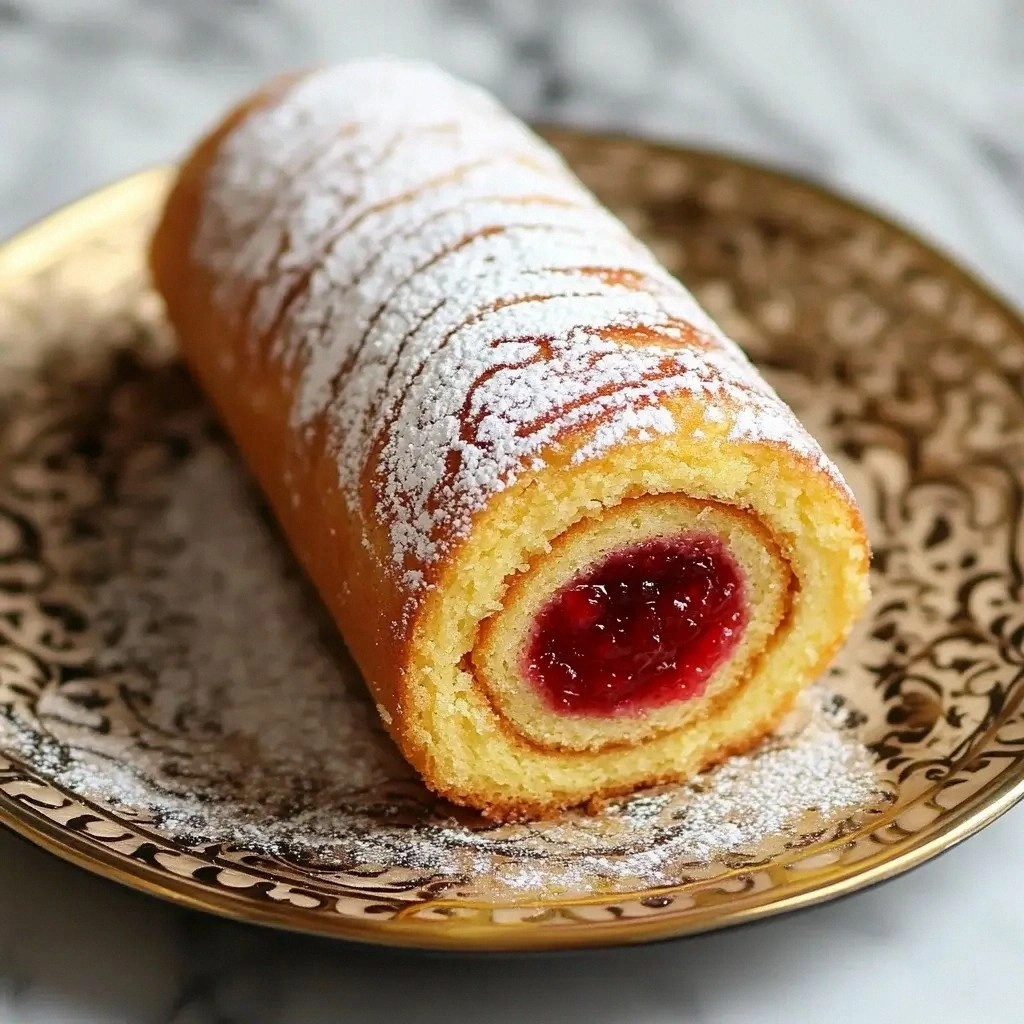
The Method — Step by Step
- Preheat your oven to 375°F (190°C). Line a 9×13 inch (23×33 cm) silicone baking sheet with parchment paper, ensuring the paper extends slightly beyond the edges to allow for easy removal later. This step is crucial for a clean lift, especially when the cake is rolled.
- Whip the butter and sugar in a stand mixer on medium speed until the mixture is light, fluffy, and has doubled in volume—about 5 minutes. The texture should be airy, like a cloud, which will trap air pockets during baking.
- Add the eggs one at a time, beating well after each addition. The batter should become smooth and glossy, indicating that the eggs have incorporated fully.
- Sift together the flour, cocoa powder, baking powder, and salt. Gently fold this dry mixture into the wet batter using a spatula, then pour in the milk. Stir until just combined; over‑mixing will toughen the cake.
- Spread the batter evenly onto the prepared sheet, smoothing the top with a spatula. Tap the pan lightly on the counter to release any air bubbles and ensure an even thickness.
- Bake for 10–12 minutes, or until the cake springs back when lightly pressed. The edges should be set, and the center should have a slight give. This is the moment of truth—watch the aroma rise and the cake color deepen.
- Cool the cake on the sheet for 5 minutes, then transfer it onto a clean kitchen towel that has been lightly dusted with powdered sugar. Carefully peel the parchment paper away, leaving the towel on top. The towel will help keep the cake flat as it cools.
- Roll the cake while it’s still warm, starting from the short end and rolling tightly toward the other short end. The warm cake will be pliable, and the towel will keep it from sticking.
- Fill the rolled cake with whipped cream. Use a piping bag fitted with a small round tip to create a neat ribbon of filling. If you’d like, drizzle a thin line of ganache over the top for a glossy finish.
- Refrigerate the rolled cake for at least 30 minutes before slicing. This allows the filling to set and the flavors to meld. When you slice it, the layers of cake and cream will show, creating a stunning visual effect.
That's it — you did it. But hold on, I've got a few more tricks that'll take this to another level…
Insider Tricks for Flawless Results
The Temperature Rule Nobody Follows
Many bakers bake at 400°F (200°C) for a chocolate cake, but this can cause the Swiss roll to become too dry. Lowering the temperature to 375°F (190°C) allows the cake to bake evenly and maintain a moist crumb. I’ve found that this small adjustment eliminates the need to add extra milk or butter, keeping the recipe simple.
Why Your Nose Knows Best
During baking, the aroma that fills your kitchen is a reliable indicator of doneness. When the cake begins to emit a rich, chocolatey scent and the edges pull away slightly from the pan, it’s time to pull it out. Trust your nose, and you’ll avoid the dreaded over‑baked, crumbly texture.
The 5‑Minute Rest That Changes Everything
Letting the cake rest on the parchment for 5 minutes before rolling is crucial. This brief pause allows the structure to set, making it easier to roll without cracking. It also lets the cake absorb the moisture from the whipped cream, ensuring a silky filling.
The Light Dusting of Powdered Sugar
Dusting the parchment paper with powdered sugar before pouring the batter adds a subtle sweetness and helps the cake lift cleanly. It also creates a slightly caramelized outer layer that adds a pleasant crunch when you bite into the roll.
The Quick Ganache Glaze
If you’re short on time, you can skip the ganache glaze and simply drizzle melted chocolate over the roll. The chocolate will set quickly, giving the roll a glossy finish without the extra step. Just be sure to let it cool slightly before drizzling to avoid melting the whipped cream.
Creative Twists and Variations
This recipe is a playground. Here are some of my favorite ways to switch things up:
Nutty Delight
Add chopped hazelnuts to the batter for a crunchy texture. The nutty flavor pairs wonderfully with the chocolate base, and the added crunch gives the roll a satisfying bite.
Citrus Zest
Incorporate finely grated lemon zest into the batter. The citrus brightness cuts through the richness of the chocolate, creating a fresh, vibrant flavor profile.
Berry Burst
Swirl a spoonful of raspberry jam into the batter before baking. The jam adds a sweet‑tart burst that contrasts beautifully with the chocolate.
Matcha Magic
Replace half of the cocoa powder with matcha powder for a green tea twist. The earthy flavor of matcha balances the chocolate, and the vibrant color is eye‑catching.
Spiced Sensation
Add a pinch of cinnamon or cardamom to the batter. The warm spices give the roll a cozy, autumnal feel, perfect for holiday gatherings.
Caramel Swirl
Drizzle caramel sauce over the rolled cake before refrigerating. The caramel adds a sweet, buttery layer that complements the chocolate and whipped cream.
Storing and Bringing It Back to Life
Fridge Storage
Store the rolled cake in an airtight container in the refrigerator for up to 3 days. Wrap the cake in plastic wrap before placing it in the container to prevent it from drying out. When you’re ready to serve, let it sit at room temperature for 15 minutes to restore its softness.
Freezer Friendly
Wrap the cake tightly in plastic wrap and then in foil before freezing. It will keep for up to 2 weeks. Thaw in the refrigerator overnight, then let it sit at room temperature for 20 minutes before slicing.
Best Reheating Method
To revive a chilled roll, warm it in a 300°F (150°C) oven for 5 minutes. Alternatively, microwave on low power for 15–20 seconds, then let it rest for a minute. Add a tiny splash of water before reheating to steam back to perfection.