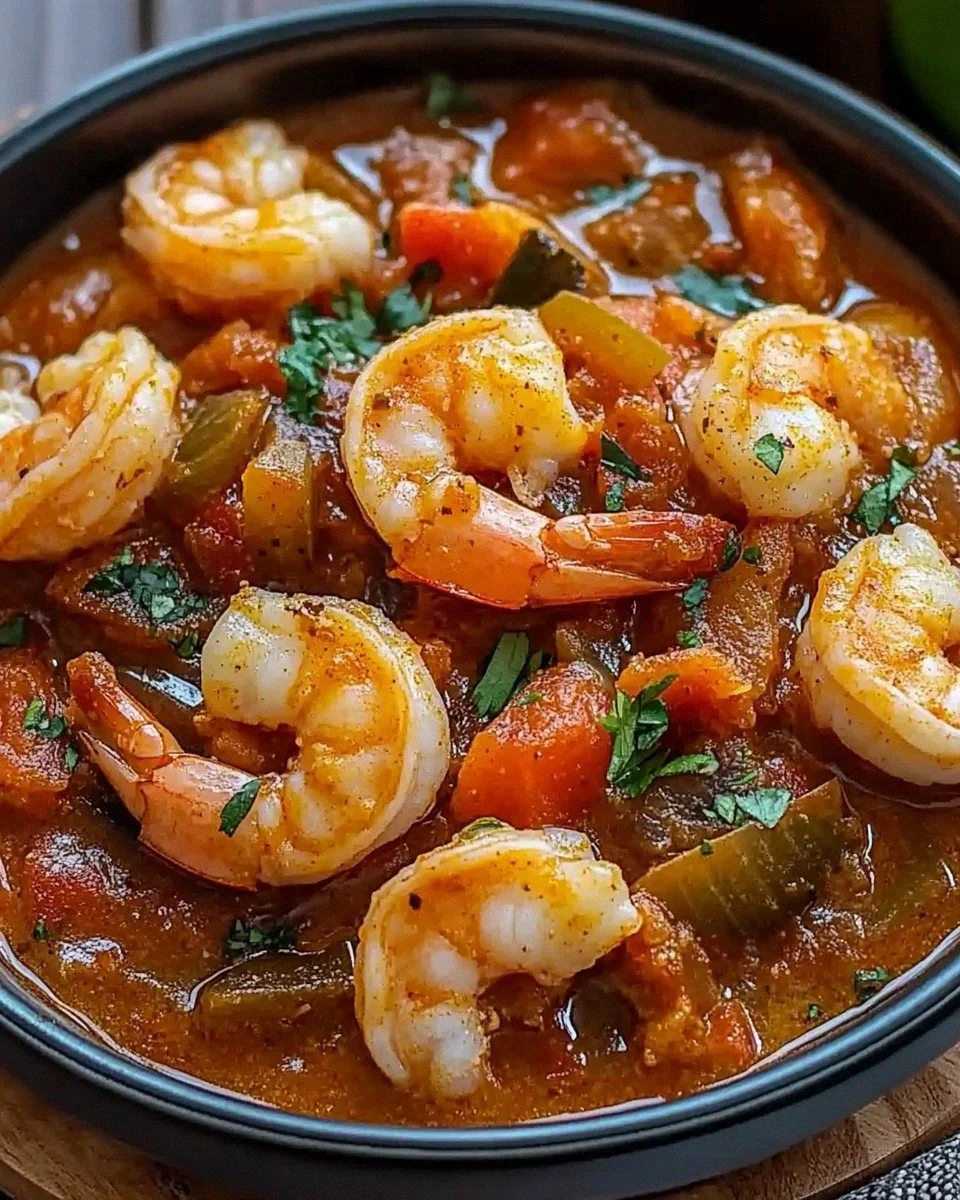
Picture this: it’s a rainy Thursday night, the kind that makes you crave something that feels like a warm hug from the inside out. I was battling a stubborn pot of bland tomato sauce that tasted like watered‑down ketchup when my roommate dared me to “make something that’ll knock my socks off and still be ready in under an hour.” I laughed, I scoffed, and then I remembered the stash of fresh shrimp, a half‑pint of crab meat, and that jar of Cajun seasoning gathering dust in the pantry. That moment sparked the birth of the Spicy Seafood Creole that you’re about to fall head‑over‑heels for.
The kitchen turned into a symphony of sizzling, the air thick with the perfume of garlic and onions caramelizing like a love story that refuses to end. You could hear the gentle hiss as the butter met the olive oil, a sound that promised a flavor explosion waiting just beneath the surface. The broth simmered, bubbling with a deep, ruby hue, while the seafood surrendered its briny secrets, turning the sauce into a velvety ocean that clings to every grain of rice. When I finally plated it, the steam rose like a fragrant curtain, and the first bite was a fireworks display of heat, sweetness, and umami that made my taste buds do a little happy dance.
Most Creole recipes I’ve tried either drown the seafood in a tomato swamp or leave the sauce as thin as a whisper. This version, however, balances the heat of cayenne with the sweet acidity of fresh tomatoes, while a splash of white wine adds a bright, slightly nutty depth that most home cooks overlook. The secret? A quick roux that gives the sauce body without turning it into a heavy gravy, and a dash of fresh lemon juice right at the end that lifts everything like a spotlight on a stage. I dare you to taste this and not go back for seconds.
And just when you think you’ve got it all figured out, I’m about to reveal a technique that will change the way you think about Creole sauces forever – a method of deglazing the pan that extracts every caramelized crumb, ensuring no flavor is left behind. Let me walk you through every single step — by the end, you’ll wonder how you ever made it any other way.
What Makes This Version Stand Out
- Flavor Explosion: The combination of fresh seafood, a balanced tomato base, and a punch of Cajun seasoning creates layers that build with each bite, delivering heat without overwhelming the palate.
- Texture Harmony: The sauce coats the rice like velvet while the shrimp remain firm and the crab stays flaky, giving you a satisfying bite contrast that most recipes miss.
- Simplicity Meets Sophistication: With just a handful of pantry staples and a quick roux, you achieve restaurant‑level depth without a marathon prep session.
- Unique Ingredient Twist: A splash of dry white wine and a squeeze of lemon at the end brighten the dish, a step most home cooks skip, leaving the sauce flat.
- Crowd‑Pleaser: Whether you’re feeding a family of four or a group of friends, the bold flavors spark conversation and keep plates empty for far too long.
- Ingredient Quality Focus: Using wild‑caught shrimp and fresh crab meat elevates the dish, but you’ll also learn how to select the best canned tomatoes for maximum flavor.
- One‑Pot Wonder: Everything cooks in the same pan, meaning fewer dishes, less cleanup, and more time to enjoy the aroma filling your home.
- Make‑Ahead Magic: The sauce actually improves after a short rest, making it perfect for meal‑prepping or a stress‑free dinner after work.
Inside the Ingredient List
The Flavor Base
The foundation of any great Creole sauce starts with the holy trinity of onion, bell pepper, and celery. These three vegetables provide a sweet, earthy backbone that balances the acidity of the tomatoes. If you skip the celery, you’ll lose that subtle crunch and the subtle herbaceous note that makes the sauce feel alive. For the onions, I prefer a sweet Vidalia; they melt into the sauce like silk. The bell peppers—one green and one red—add both color and a gentle sweetness that counters the heat.
Garlic, minced just before cooking, releases its aromatic oils, creating a perfume that fills the kitchen and tells your nose that something amazing is happening. A good tip is to crush the garlic cloves with the flat side of a knife first; it makes the mince finer and the flavor more uniform. If you’re allergic to garlic, a pinch of asafoetida can mimic its depth without the pungency.
The Texture Crew
Shrimp, crawfish tails, and crab meat are the stars of this show. Shrimp should be peeled, deveined, and added at the very end so they stay juicy and pink, not rubbery. Crawfish tails bring a sweet, buttery bite that’s unmistakably Southern, while crab meat adds a delicate, flaky texture that melts in your mouth. If you can’t find fresh crab, look for high‑quality canned crab meat—just be sure to drain it well.
Okra is optional but highly recommended; it lends a subtle earthiness and helps thicken the sauce naturally. Slice it thinly and add it midway through cooking so it retains a slight bite without turning mushy. If you’re not a fan of okra, a handful of frozen peas can add a pop of sweetness and a bright green color.
The Unexpected Star
A splash of dry white wine is the secret weapon that elevates this Creole from good to unforgettable. The wine deglazes the pan, dissolving the caramelized bits stuck to the bottom, and adds a bright acidity that cuts through the richness of the butter and flour. If you’re not a wine drinker, a splash of dry sherry or even a tablespoon of apple cider vinegar can mimic that lift.
Finally, a squeeze of fresh lemon juice right before serving adds a zing that makes the flavors pop like fireworks. It’s the final brushstroke on a culinary canvas, brightening the entire dish without adding extra salt.
The Final Flourish
A quick roux—equal parts butter and flour cooked just until it turns a light golden brown—gives the sauce body without making it heavy. This step is often skipped, resulting in a watery broth that can’t cling to the rice. Patience is key: stir constantly for about two minutes, and you’ll see the mixture turn glossy, signaling it’s ready to absorb the liquid.
Seasoning is where personality shines. Cajun seasoning, cayenne, thyme, and a bay leaf create a complex heat that’s not just about spiciness but about depth. Adjust the cayenne to suit your heat tolerance; remember, you can always add more, but you can’t take it out.
Everything's prepped? Good. Let's get into the real action...
The Method — Step by Step
Heat a large, heavy‑bottomed skillet over medium heat and add the olive oil and butter. Once the butter foams and the oil shimmers, toss in the diced onion, bell peppers, and celery. Sauté for about 5‑6 minutes, stirring occasionally, until the vegetables soften and the onions turn translucent. You’ll hear a gentle sizzle that tells you the aromatics are waking up.
Add the minced garlic and cook for another 30 seconds, just until you smell that unmistakable garlic perfume. Be careful not to let it brown – burnt garlic turns bitter and can ruin the whole sauce.
Sprinkle the flour over the vegetables, stirring constantly to form a roux. Cook for 2‑3 minutes, allowing the flour to turn a light golden hue. This is the moment of truth – the roux should smell nutty, not raw.
Kitchen Hack: If the roux looks lumpy, whisk vigorously with a balloon whisk; it dissolves clumps faster than a fork.Deglaze the pan with the dry white wine, scraping the browned bits from the bottom with a wooden spoon. As the wine bubbles, you’ll notice the sauce deepening in color – that’s flavor being rescued from the pan.
Stir in the diced tomatoes, tomato paste, and fish stock. Add the bay leaf, thyme, Cajun seasoning, and cayenne pepper. Bring the mixture to a gentle boil, then reduce the heat to a simmer. Let it bubble away for 10‑12 minutes, stirring occasionally, until it thickens slightly. Watch Out: If the sauce reduces too quickly, add a splash of water or extra stock to keep it from scorching.
Watch Out: Keep the heat low enough that the sauce simmers gently; a rolling boil will break down the delicate seafood later.While the sauce simmers, season the shrimp with a pinch of salt and pepper. Add the shrimp, crawfish tails, and crab meat to the pan, stirring gently to coat them in the sauce. Cook for 3‑4 minutes, or until the shrimp turn pink and opaque. Overcooking will make them rubbery, so stay close.
Kitchen Hack: Toss the shrimp in a tiny drizzle of oil before adding them; it creates a light seal that locks in moisture.If you’re using okra, stir it in now and let it cook for another 2‑3 minutes. The okra will soften slightly while releasing its natural thickening power, giving the sauce that perfect cling‑to‑rice consistency.
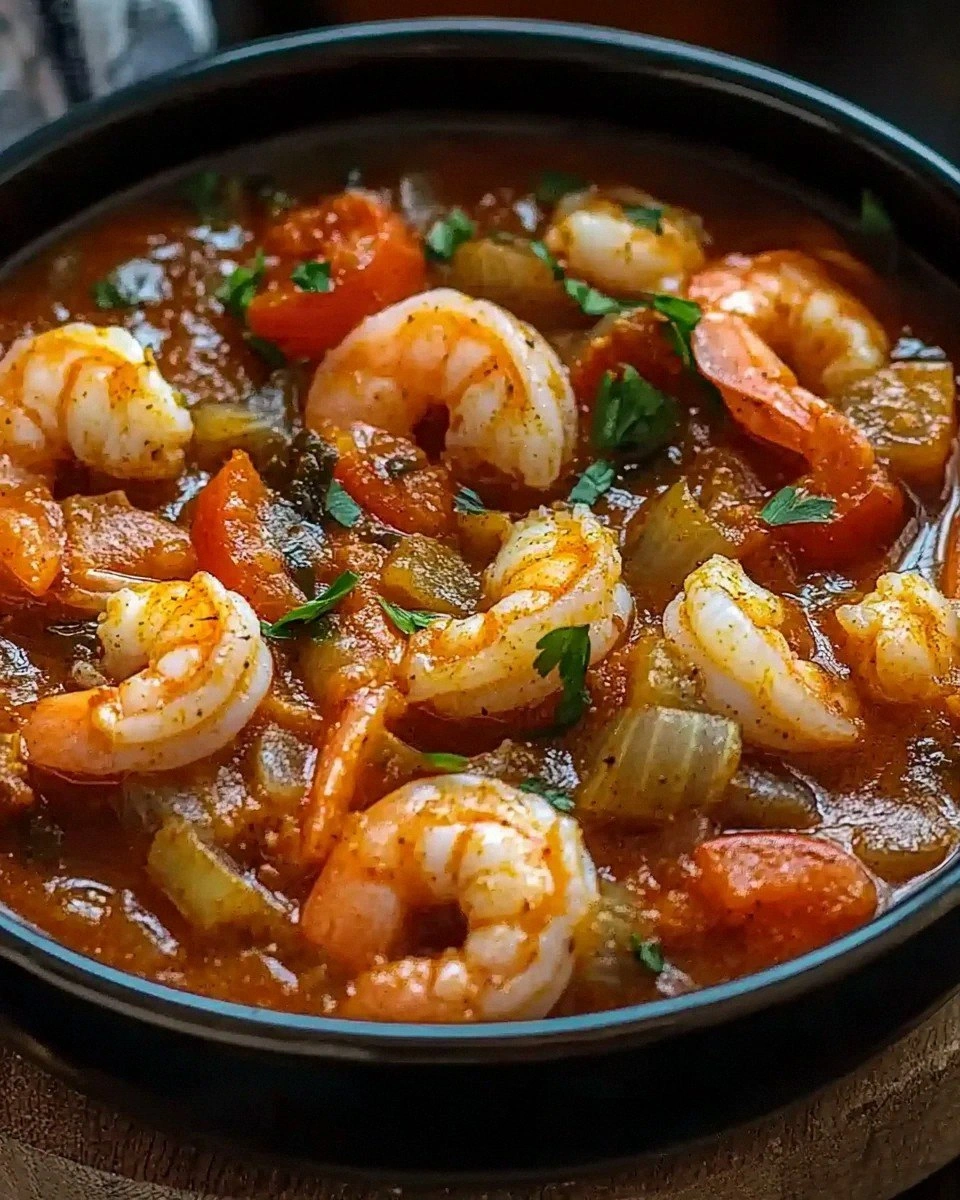
Remove the bay leaf, then finish the dish with a splash of fresh lemon juice and a handful of chopped parsley. Taste and adjust salt, pepper, or extra cayenne if you crave more heat. The lemon should brighten the sauce like a sunrise over the Gulf.
Serve the Creole over a bed of fluffy white rice, spooning generous amounts of sauce over each mound. Picture yourself pulling this out of the pan, the whole kitchen smelling incredible, steam rising in lazy curls. That sizzle when it hits the pan? Absolute perfection.
That's it — you did it. But hold on, I've got a few more tricks that'll take this to another level...
Insider Tricks for Flawless Results
The Temperature Rule Nobody Follows
Never start the sauce on high heat. Starting low and gradually raising the temperature ensures the roux develops a smooth, golden color without scorching. I once cranked the burner to high, and the roux turned a dark brown, imparting a bitter taste that no amount of seasoning could fix. Keep the heat moderate, and you’ll get that glossy, velvety texture every time.
Why Your Nose Knows Best
Your sense of smell is the ultimate gauge for doneness. When the tomatoes start to caramelize and the sauce smells slightly sweet, you’re at the perfect point to add the seafood. If the aroma is still raw or acidic, give it a few more minutes. Trust your nose; it’s smarter than any timer.
The 5‑Minute Rest That Changes Everything
After you finish cooking, let the Creole sit off the heat for five minutes. This short rest allows the flavors to meld, and the sauce thickens just enough to cling to the rice without becoming gluey. A friend tried skipping this step once — the dish tasted disjointed, like each ingredient was shouting for attention.
Layered Salt Strategy
Season in stages: a pinch when sautéing the vegetables, a dash when adding the stock, and a final pinch after the lemon juice. This layered approach builds depth and prevents the dish from ever tasting flat. If you wait until the end, you’ll end up with a bland sauce that needs a rescue mission.
Finish With Fresh Herbs
Adding parsley at the very end preserves its bright green color and fresh flavor. If you toss it in too early, the heat wilts the herb, turning it into a dull green garnish. A handful of chopped parsley right before serving adds a pop of color and a subtle peppery note that lifts the entire dish.
The Secret of the White Wine
Use a wine you’d actually drink. Cheap cooking wines often contain excess salt and artificial flavors that can muddy the sauce. A crisp Sauvignon Blanc or a dry Pinot Grigio adds acidity and a hint of fruitiness that complements the seafood beautifully.
Creative Twists and Variations
This recipe is a playground. Here are some of my favorite ways to switch things up:
Cajun‑Style Jambalaya Fusion
Swap the rice for a mixture of long‑grain rice and quinoa, and add sliced Andouille sausage. The sausage brings smoky depth, while quinoa adds a nutty bite, turning the Creole into a hearty jambalaya hybrid.
Coconut Curry Creole
Replace half the fish stock with coconut milk and add a teaspoon of curry powder. The result is a creamy, slightly sweet sauce that pairs beautifully with the shrimp, giving you a tropical twist.
Vegetarian “Seafood” Version
Use king oyster mushrooms sliced into “scallops” and hearts of palm for the “seafood” component. The mushrooms absorb the sauce like sponges, delivering a meaty texture without any animal products.
Spicy Tomato‑Free Variante
Omit the tomatoes and replace them with a blend of roasted red peppers and a splash of pomegranate molasses. This creates a sweet‑tart base that still carries the heat, perfect for those who prefer a less acidic profile.
Smoky Chipotle Kick
Add a tablespoon of chipotle in adobo sauce along with the Cajun seasoning. The smoky depth pairs with the seafood, delivering a lingering warmth that’s perfect for colder evenings.
Storing and Bringing It Back to Life
Fridge Storage
Transfer the leftover Creole to an airtight container and refrigerate for up to three days. The sauce may thicken as it cools; simply stir in a splash of water or stock before reheating to restore its silky texture.
Freezer Friendly
Portion the Creole (without the rice) into freezer‑safe bags, squeeze out excess air, and freeze for up to two months. Thaw overnight in the fridge, then reheat gently on the stovetop, adding a bit of broth to loosen the sauce.
Best Reheating Method
Reheat in a skillet over low heat, stirring constantly. Add a tiny splash of water or stock before the sauce hits the pan – it steams back to perfection, keeping the shrimp tender and the sauce glossy. Avoid microwaving, as it can cause the seafood to become rubbery.