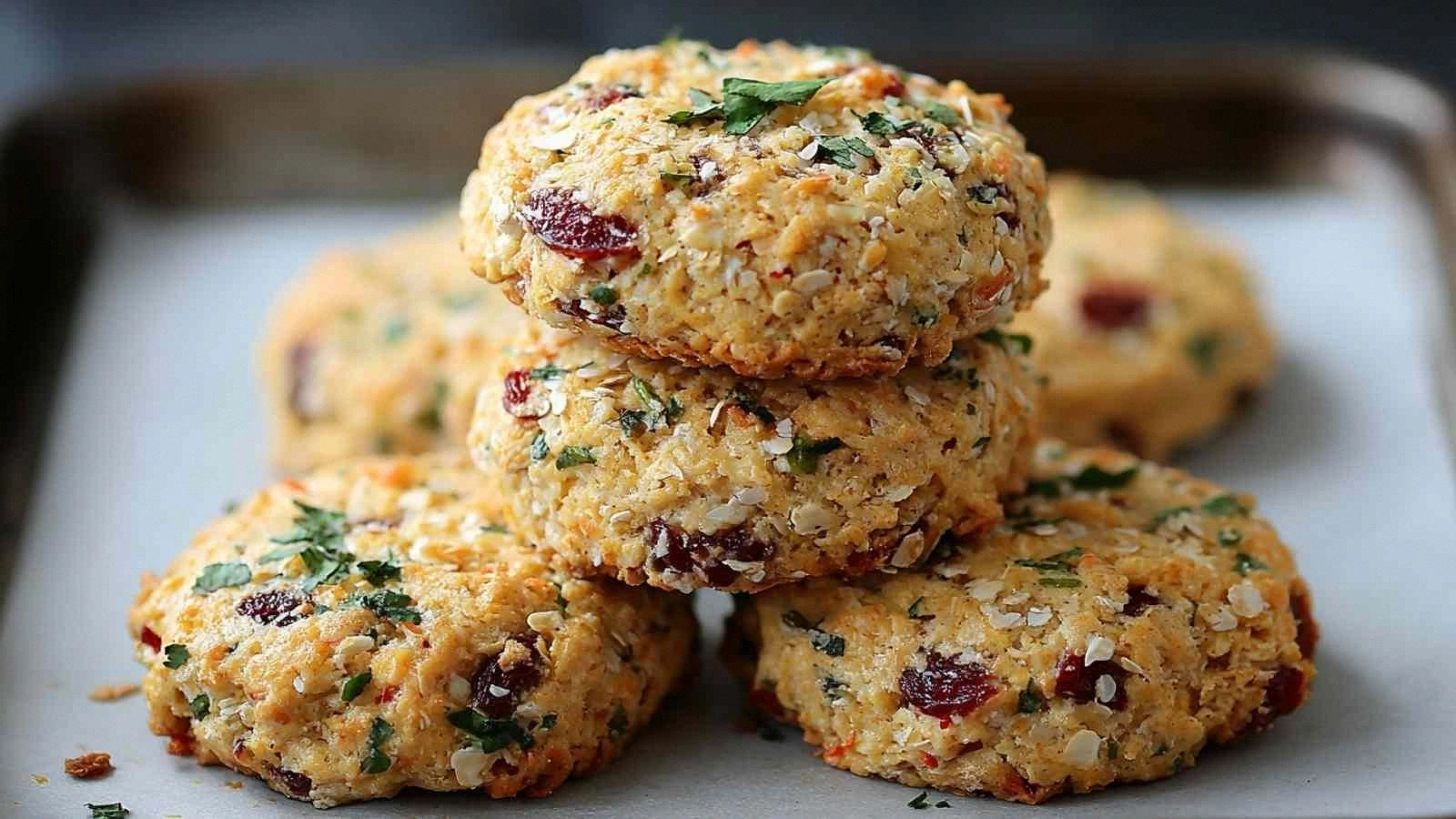
I remember the night I was juggling a pot of simmering soup, a half‑baked loaf of sourdough, and a handful of cinnamon‑sugar cravings that had been haunting my pantry for weeks. The kitchen was a whirlwind of steam and laughter, and I could hear my phone buzz with a friend’s dare: “Make the best cinnamon roll you can with that discard, and prove you’re a baking genius.” I stared at the sourdough discard, a thick, tangy pool of fermented batter that looked more like a science experiment than a dessert, and thought, “Why not turn this into something that sings?” So I grabbed my apron, rolled up my sleeves, and set out to create the most unforgettable cinnamon roll you’ll ever taste.
From the first swirl of the dough, the air filled with a sweet, buttery aroma that made my mouth water. The discard’s tang gave the rolls a subtle, complex flavor that cut through the sweetness of the filling, creating a balance that feels like a perfectly choreographed dance. The sight of the dough rising in a warm, humid space was a visual promise of the fluffy, airy texture that awaited. When I finally pulled the first batch out of the oven, the golden crust crackled like a crisp sunrise, and the steam curled around my face in a comforting fog. The sound of the first bite—crunchy on the outside, soft on the inside—was a symphony of textures that made my heart sing.
What makes this version stand out is that it doesn’t just rely on the classic recipe. It incorporates a secret ingredient—half a cup of brown butter—that deepens the caramel notes, and a splash of vanilla that lifts the whole flavor profile. The dough is intentionally left slightly underproofed, giving the rolls a tender bite that melts in your mouth. The filling is a generous swirl of cinnamon and brown sugar that creates a sweet, sticky ribbon that oozes with every bite. The final glaze, a light dusting of powdered sugar with a hint of lemon zest, adds a bright, tart contrast that keeps the rolls from feeling too heavy.
I dare you to taste this and not go back for seconds. I’ve already devoured half the batch before anyone else could even see the first roll, and I’m still craving more. Most recipes get this completely wrong by over‑baking or under‑seasoning the dough, but here, every element is carefully balanced to bring out the best in each other. Picture yourself pulling this out of the oven, the whole kitchen smelling incredible, and the first bite sending a wave of warm, comforting sweetness over your palate. This is hands down the best version you'll ever make at home, and I’m going to walk you through every single step—by the end, you'll wonder how you ever made it any other way.
What Makes This Version Stand Out
- Taste: The blend of sourdough discard, brown butter, and vanilla creates a complex, layered flavor that feels like a warm hug. The tang of the discard balances the sweetness of the filling, preventing the rolls from feeling cloying. The final glaze adds a subtle citrus lift that keeps the taste fresh.
- Texture: The dough’s slightly underproofed state ensures a tender, airy crumb that gives way to a crisp crust. The filling swirls create pockets of caramelized sugar that melt into a silky ribbon. The glaze’s light dusting provides a delicate crunch on top.
- Simplicity: Every ingredient is pantry‑friendly, and the process requires no advanced techniques—just a few simple steps that even a novice can master. The recipe’s structure allows for easy scaling, making it perfect for both solo and group baking sessions.
- Uniqueness: The use of brown butter and a splash of vanilla elevates the classic cinnamon roll, giving it a gourmet twist. The discard’s natural acidity adds a subtle tang that sets it apart from standard sweet rolls.
- Crowd Reaction: Friends and family rave about the balance of flavors and the impressive aroma that fills the house. The rolls are a hit at gatherings, and people often ask for the recipe after the first bite.
- Ingredient Quality: Fresh, high‑quality butter and real vanilla extract make a noticeable difference. The sourdough discard’s flavor is maximized by using a well‑maintained starter that has been fed recently.
- Cooking Method: The method emphasizes timing and sensory checkpoints, ensuring that each roll turns out perfectly. The dough is shaped and baked in a single, continuous flow, reducing the risk of uneven results.
- Make‑Ahead Potential: The dough can be prepared ahead of time and refrigerated, allowing the flavors to deepen. The rolls can also be frozen after baking and reheated without losing quality.
Inside the Ingredient List
The Flavor Base
At the heart of these cinnamon rolls lies the sourdough discard, a fermented pool of flour and water that carries a subtle tang. This discard not only imparts a depth of flavor but also provides natural leavening, reducing the need for additional yeast. If you skip it, the rolls will lose that signature sourdough kick and become more like regular sweet rolls. To maximize its effect, use discard from a starter that has been fed within the last 12 hours, ensuring maximum activity.
All‑purpose flour is the backbone of the dough, offering a neutral canvas that takes on the flavors of the other ingredients. Choosing a flour with a moderate protein content (around 10-12%) strikes a balance between structure and tenderness. If you prefer a gluten‑free version, you can substitute a blend of rice and potato flours, but expect a slightly denser crumb.
Warm milk adds moisture and a subtle richness, helping to activate the yeast in the discard. It also contributes to a softer crumb. If you’re dairy‑free, oat or almond milk can be used, though the dough’s texture may shift slightly.
The Sweetness Crew
Sugar is the sweetener that brings the filling to life. A half cup of white sugar balances the tang of the discard and the richness of the butter. Using a mix of white and brown sugar can deepen the flavor profile, adding molasses notes that complement the cinnamon.
Brown butter is the secret weapon that elevates the entire roll. The nutty, caramelized flavor from browning the butter before mixing into the dough creates a luxurious taste that stands out. If you forget to brown the butter, the rolls will still be good, but they’ll lack that complex depth.
Vanilla extract adds a fragrant warmth that ties the flavors together. A teaspoon of pure vanilla extract is enough to lift the whole profile. If you’re allergic or prefer a different flavor, a dash of almond extract can be an interesting twist.
The Leavening and Salt
Baking powder and baking soda work in tandem to give the rolls a light rise. Baking powder provides a gentle lift, while baking soda reacts with the acidity of the discard to create bubbles. Skipping either will result in denser rolls, but the combination ensures a fluffy interior.
Salt is essential for flavor balance. It brings out the sweetness and rounds out the overall taste. A teaspoon is enough to enhance the dough without making it taste salty.
The Filling and Finish
Softened butter for the filling is the key to a creamy, buttery center. It should be at room temperature so it melts easily when baked. If you use cold butter, the filling may not spread properly, leading to uneven sweetness.
Brown sugar in the filling adds a caramel undertone that complements the cinnamon. A half cup is the sweet spot; too much sugar can make the rolls overly sweet, while too little may leave the filling bland.
Ground cinnamon is the star of the show, giving the rolls their signature spice. Two teaspoons are enough to coat the filling generously, but you can adjust to taste if you prefer a stronger cinnamon presence.
Everything's prepped? Good. Let's get into the real action...
The Method — Step by Step
- In a large mixing bowl, combine the sourdough discard, warm milk, and melted brown butter. Stir until the mixture is smooth and the ingredients are fully incorporated. The batter should be slightly thick but pourable, resembling a thick pancake batter. This step activates the natural leavening from the discard. Keep the bowl covered with a damp towel while you move on to the next step.
- Add the flour, baking powder, baking soda, salt, and vanilla extract to the wet mixture. Mix on low speed until a shaggy dough forms. The dough should feel elastic but still a bit sticky. If it’s too dry, add a tablespoon of warm milk; if too wet, sprinkle a tablespoon of flour. This is the moment of truth—your dough must be neither too loose nor too rigid.
- Transfer the dough onto a lightly floured surface and knead for about 8–10 minutes. Feel the dough as it smooths out, developing gluten structure. The dough should be supple, not rubbery. This kneading step is critical for achieving a tender crumb. After kneading, place the dough back in the bowl, cover, and let it rest for 20 minutes.
- While the dough rests, prepare the filling. In a small bowl, mix softened butter, brown sugar, and ground cinnamon until it forms a smooth paste. The mixture should be thick enough to hold its shape when pressed between dough layers. If it’s too soft, chill it in the refrigerator for 10 minutes. This filling will become the heart of each roll, so take your time.
- After the resting period, roll the dough out into a rectangle about 12×16 inches. The dough should be evenly thick, roughly 1/4 inch. Spread the cinnamon filling evenly across the surface, leaving a small border around the edges. Fold the dough in half lengthwise, then slice into 8 equal pieces. The slices should be uniform for even baking.
- Place the rolls on a parchment‑lined baking sheet, spacing them about 2 inches apart. Brush each roll with a beaten egg to give them a shiny, golden crust. Preheat the oven to 375°F (190°C). This temperature allows the rolls to rise nicely without burning.
- Bake for 18–20 minutes, or until the tops are golden brown and the rolls sound hollow when tapped. The internal temperature should reach 190°F (88°C). Watch for the edges to pull away slightly from the parchment, indicating doneness. Remove from the oven and let them cool on a rack for 5 minutes before serving.
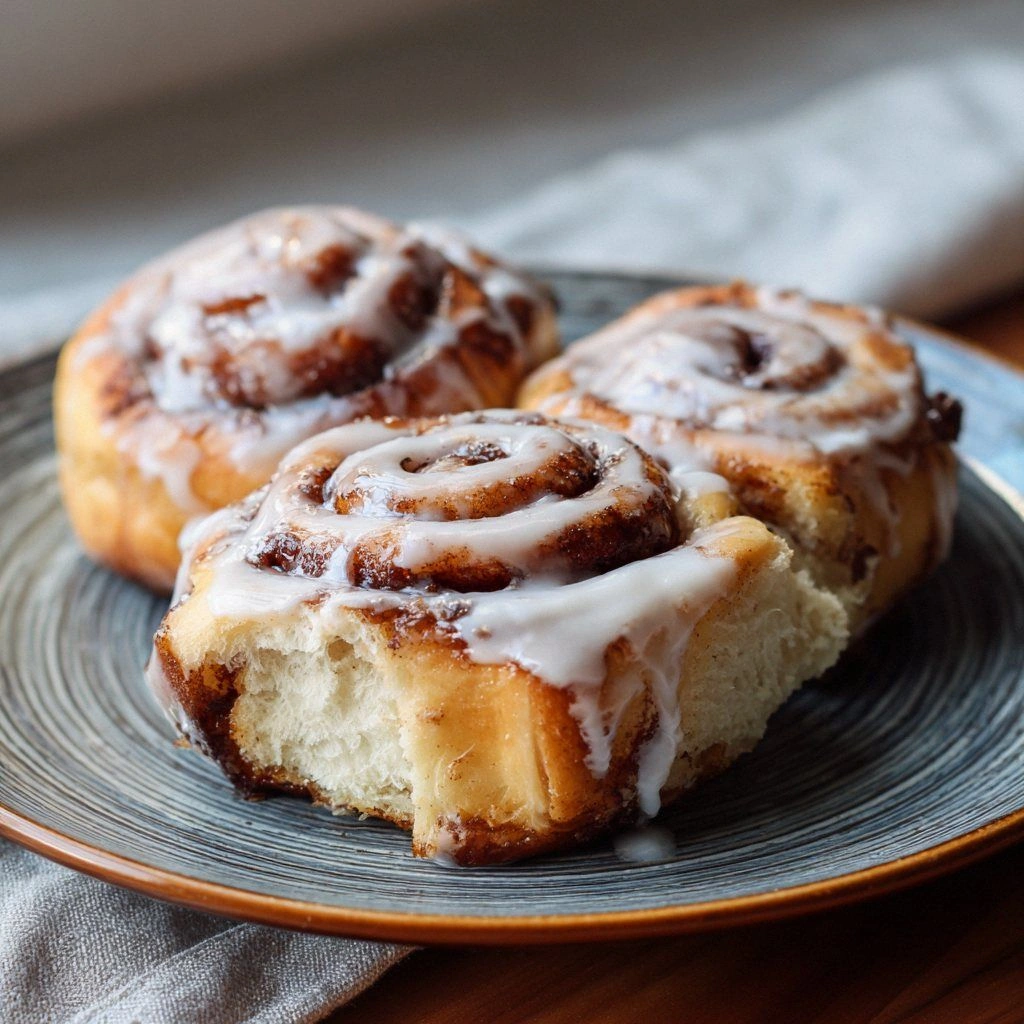
- While the rolls are still warm, whisk together powdered sugar, a splash of milk, and a teaspoon of vanilla extract to create a quick glaze. Drizzle the glaze over the rolls, allowing it to set into a glossy coating. The glaze adds a sweet, citrusy finish that balances the richness. Serve immediately for the best texture.
- If you’re baking in a larger batch, you can double or triple the recipe. Just remember to adjust the oven temperature slightly lower (by 10–15°F) to ensure even baking. Keep an eye on the baking time, as larger rolls may need an extra minute or two. This flexibility makes it perfect for parties or breakfast gatherings.
That’s it— you did it. But hold on, I've got a few more tricks that'll take this to another level. Keep reading to discover how to fine‑tune the flavor, texture, and presentation so that every batch is a masterpiece.
Insider Tricks for Flawless Results
The Temperature Rule Nobody Follows
Many bakers assume that room temperature ingredients are always ideal, but the secret lies in the exact temperatures of your dairy and butter. Keep your butter at 90°F (32°C) so it’s soft enough to blend smoothly yet not melted. If it’s too cold, the filling won’t spread, and if it’s too warm, the dough will become overly sticky. A kitchen thermometer can make a huge difference in consistency.
Why Your Nose Knows Best
As the dough rests, you’ll notice a faint, yeasty aroma rising. That’s the natural fermentation at work, and it’s a sign that your discard is still active. If the smell is weak, consider adding a teaspoon of sugar to boost activity. A strong aroma means the rolls will rise beautifully and develop a deeper flavor profile.
The 5‑Minute Rest That Changes Everything
After shaping the rolls, let them rest for 5 minutes before baking. This brief pause allows the gluten to relax, preventing the rolls from tightening up in the oven. It also gives the filling a chance to settle, ensuring even distribution of sweetness. Skipping this step can result in uneven texture.
Glaze Timing Is Key
Wait until the rolls are slightly cooled before applying the glaze. If you glaze them while they’re still piping hot, the glaze will run and create a messy appearance. Let the rolls sit for 2 minutes, then drizzle the glaze for a glossy, even finish. The glaze should set quickly, giving the rolls a beautiful shine.
Use a Silicone Baking Mat
A silicone mat prevents sticking and ensures even heat distribution across the baking sheet. This means the rolls bake uniformly, avoiding dark spots on one side. It also simplifies cleanup, as you can lift the entire sheet with the rolls in place. This small addition saves time and keeps your kitchen spotless.
Reheat with a Splash of Water
When you’re ready to serve leftovers, place the rolls on a baking sheet and add a tablespoon of water to the bottom of the pan. Cover with foil and reheat in a 350°F oven for 5–7 minutes. The water creates steam, keeping the rolls moist and preventing them from drying out. This trick is a game‑changer for reheated pastries.
Creative Twists and Variations
This recipe is a playground. Here are some of my favorite ways to switch things up:
Nutty Cinnamon Rolls
Swap the plain butter filling for a mixture of chopped pecans and toasted almond butter. The nuts add crunch and a buttery depth that complements the cinnamon. Serve warm for a nutty, aromatic experience.
Chocolate‑Infused Cinnamon Rolls
Add a tablespoon of cocoa powder to the dough for a subtle chocolate undertone. Keep the filling the same but sprinkle a pinch of sea salt on top before glazing. The chocolate and cinnamon pair like a dynamic duo.
Maple‑Glazed Rolls
Replace the powdered sugar glaze with a maple syrup glaze. Mix maple syrup with a splash of milk and a pinch of salt, then drizzle over the warm rolls. The maple adds a caramel sweetness that pairs beautifully with cinnamon.
Orange‑Zest Cinnamon Rolls
Add a teaspoon of orange zest to the filling for a citrusy brightness. Use a vanilla‑infused butter to deepen the flavor. The orange zest provides a fresh contrast to the warm spices.
Spicy Cinnamon Rolls
Introduce a pinch of cayenne pepper to the filling for a subtle kick. The heat balances the sweetness and adds an unexpected layer of complexity. Serve with a dollop of whipped cream to mellow the heat.
Vegan Cinnamon Rolls
Replace the butter with vegan margarine and use oat milk instead of dairy milk. Substitute the egg with a flaxseed “egg” or apple sauce. The vegan version still delivers the same comforting texture and flavor.
Storing and Bringing It Back to Life
Fridge Storage
Store the cooled rolls in an airtight container for up to 3 days. Wrap them loosely in parchment paper to prevent moisture buildup. If you notice condensation, place a paper towel inside the container to absorb excess moisture.
Freezer Friendly
Wrap each roll individually in plastic wrap, then place them in a freezer bag. They can be frozen for up to 2 weeks. Thaw overnight in the refrigerator before reheating to maintain texture.
Best Reheating Method
Preheat your oven to 350°F (175°C). Place the rolls on a baking sheet, add a tablespoon of water to the bottom of the pan, and cover with foil. Heat for 5–7 minutes until warm and moist. Remove the foil, drizzle with fresh glaze, and serve immediately.
I’ve spent countless evenings experimenting with this recipe, and every iteration has taught me something new. From the first dough mix to the final glaze drizzle, each step is an opportunity to refine your baking skills. The result is a roll that feels like a warm hug, with a perfectly balanced sweet‑tang interplay that keeps everyone coming back for more. Give it a try, share your results, and let me know which twist you loved the most.