Picture this: a Sunday afternoon, the kitchen clock ticking, a pot of simmering sauce on the stove, and the scent of paprika and garlic drifting through the air. I was halfway through a casserole that had turned into a smoky disaster, when a friend dared me to make a jambalaya in a slow cooker and brag that it would be the best version you'd ever taste. I laughed, grabbed the recipe, and set to work, determined to prove that the slow cooker could do more than just stew. The moment the first sizzle hit the pot, I knew I was onto something that would change my entire view on jambalaya forever. I was ready to turn a kitchen mishap into a culinary triumph that would have you shouting, “I dare you to taste this and not go back for seconds!”
The air filled with the sweet, smoky aroma of sautéed onions, bell pepper, and celery, each ingredient releasing its own little song of flavor. The sound of garlic hitting hot oil was a comforting crunch, a subtle reminder that every step matters. My eyes danced over the vibrant colors: the deep red of tomatoes, the bright green of parsley, and the golden glow of the slow cooker’s simmer. The texture of the rice began to swell, absorbing the broth and spices like a sponge, promising a mouthful of richness. The smell of fresh herbs mingled with the tang of Worcestershire sauce, creating an orchestra of scents that made my mouth water. This version of jambalaya is not just another recipe; it’s a story told through layers of flavor that will linger on your palate for days.
I’ve spent years chasing the perfect jambalaya, and each attempt taught me a lesson in balance. The key is in the timing, the seasoning, and the love you pour into each step. This slow cooker version locks in moisture, allowing the rice to absorb the spices without drying out or sticking. The result is a dish that feels like a hug from the inside, with every bite delivering a burst of heat, a splash of sweetness, and a comforting hug of umami. Imagine the way the rice clings to the sauce, coating your tongue like velvet, while the sausage and chicken give you that satisfying bite of protein. By the end, you’ll be wondering how you ever made it any other way.
I’ll be honest—when I first tasted the finished dish, I ate half the batch before anyone else got a chance. That moment of triumph was sweet, and it confirmed that the slow cooker had become my new best friend in the kitchen. This isn’t just a recipe; it’s a promise that you’ll be able to serve a crowd without breaking a sweat. I’ll walk you through every single step, from the initial sauté to the final garnish, ensuring you’re ready to wow friends and family with a dish that’s both comforting and bold. Picture yourself pulling this out of the slow cooker, the whole kitchen smelling incredible, and your guests lining up for seconds. Let me walk you through every single step—by the end, you'll wonder how you ever made it any other way.
What Makes This Version Stand Out
- Taste: The blend of paprika, cayenne, and Worcestershire sauce creates a deep, layered flavor that is both spicy and savory, ensuring each bite is a flavor explosion.
- Texture: Slow cooking guarantees perfectly tender meat while the rice remains al dente, absorbing the broth without becoming mushy.
- Simplicity: No complex prep—just a few sauté steps and a single slow cooker run, making it a go-to for busy weeknights.
- Uniqueness: The addition of fresh parsley and a splash of hot sauce at the end gives it a bright finish that sets it apart from traditional jambalaya.
- Crowd Reaction: Friends and family rave about the comforting yet bold flavor, and many ask for the recipe after every gathering.
- Ingredient Quality: Using high‑quality Andouille sausage and fresh chicken ensures the best possible flavor and texture.
- Cooking Method: The slow cooker locks in moisture and flavors, reducing the need for constant stirring.
- Make‑ahead Potential: The dish can be prepared a day ahead and reheated, making it ideal for potlucks or busy schedules.
Alright, let’s break down exactly what goes into this masterpiece. Each ingredient is chosen to contribute to the dish’s depth and harmony, ensuring a result that’s both comforting and unforgettable.
Inside the Ingredient List
The Flavor Base
The foundation of any great jambalaya starts with a vibrant flavor base. Olive oil provides a smooth canvas for the aromatics, while the diced onions, celery, and bell pepper—often referred to as the holy trinity—create a savory backdrop that’s essential to Cajun cooking. When these vegetables sauté, they caramelize just enough to release their natural sugars, giving the dish a subtle sweetness that balances the heat from the spices. The minced garlic, added towards the end of the sauté, contributes a punchy, aromatic depth that lingers on the palate. If you skip any of these vegetables, the dish loses that essential complexity, becoming a flat and uninspiring bowl of rice and meat.
For a twist, try using a mix of red, yellow, and green bell peppers; the color contrast not only looks stunning but also brings varying sweet notes that enhance the overall flavor profile. When selecting your vegetables, choose firm, fresh produce to ensure they hold their shape during the slow cooking process. If you’re short on time, pre‑chop all veggies in advance and store them in airtight containers; this will streamline your prep and keep your kitchen tidy.
The Protein Crew
Andouille sausage is the star of the show, bringing a smoky, spicy kick that’s unmistakably Cajun. Its high fat content also helps to keep the dish moist, as the fat renders slowly over the long cooking period. Boneless chicken thighs, diced into bite‑sized pieces, add a tender, juicy protein that complements the sausage without overpowering it. If you prefer a leaner option, substitute chicken breasts, but be sure to monitor the cooking time closely to avoid drying out the meat. The combination of sausage and chicken creates a dynamic texture contrast—crisp edges from the sausage and melt‑in‑your‑mouth chicken—making every bite exciting.
For those who enjoy seafood, adding shrimp in the last 10 minutes of cooking gives a delightful burst of flavor and a pop of color. Shrimp cooks quickly, so timing is essential to avoid over‑cooking and rubbery texture. If you’re a vegetarian, replace the sausage and chicken with a hearty mix of mushrooms and plant‑based protein for a satisfying alternative that still delivers robust flavor.
The Unexpected Star
Canned diced tomatoes bring a sweet acidity that balances the richness of the meats and the depth of the spices. The tomato’s natural sugars mellow the heat, creating a well‑rounded taste that’s both comforting and complex. Adding a splash of Worcestershire sauce introduces umami that deepens the overall flavor profile, turning each spoonful into a savory experience. If you prefer a fresher tomato flavor, substitute fresh diced tomatoes, but remember to reduce the liquid slightly to maintain the right consistency.
When selecting canned tomatoes, opt for a brand that uses no added sugar or preservatives, ensuring the pure tomato taste shines through. For a thicker sauce, let the mixture simmer uncovered for a few minutes before adding the rice, allowing excess liquid to evaporate and intensify the flavors.
The Final Flourish
Seasoning is where the magic happens. Paprika, cayenne pepper, dried thyme, and oregano combine to create a complex spice blend that’s both smoky and aromatic. The bay leaf adds an earthy depth that subtly enhances every component. Salt and pepper to taste are essential, but be cautious—over‑salting can mask the delicate flavors of the herbs and spices. Fresh parsley, added just before serving, provides a burst of color and a bright, herbal finish that lifts the dish.
For an extra kick, a tablespoon of hot sauce at the end can transform the dish into a fiery feast. If you’re sensitive to heat, start with a smaller amount and adjust to your preference. The final flourish of herbs and spices ensures each bite is balanced, fragrant, and unforgettable.
Everything’s prepped? Good. Let’s get into the real action and start turning these ingredients into a symphony of flavor.
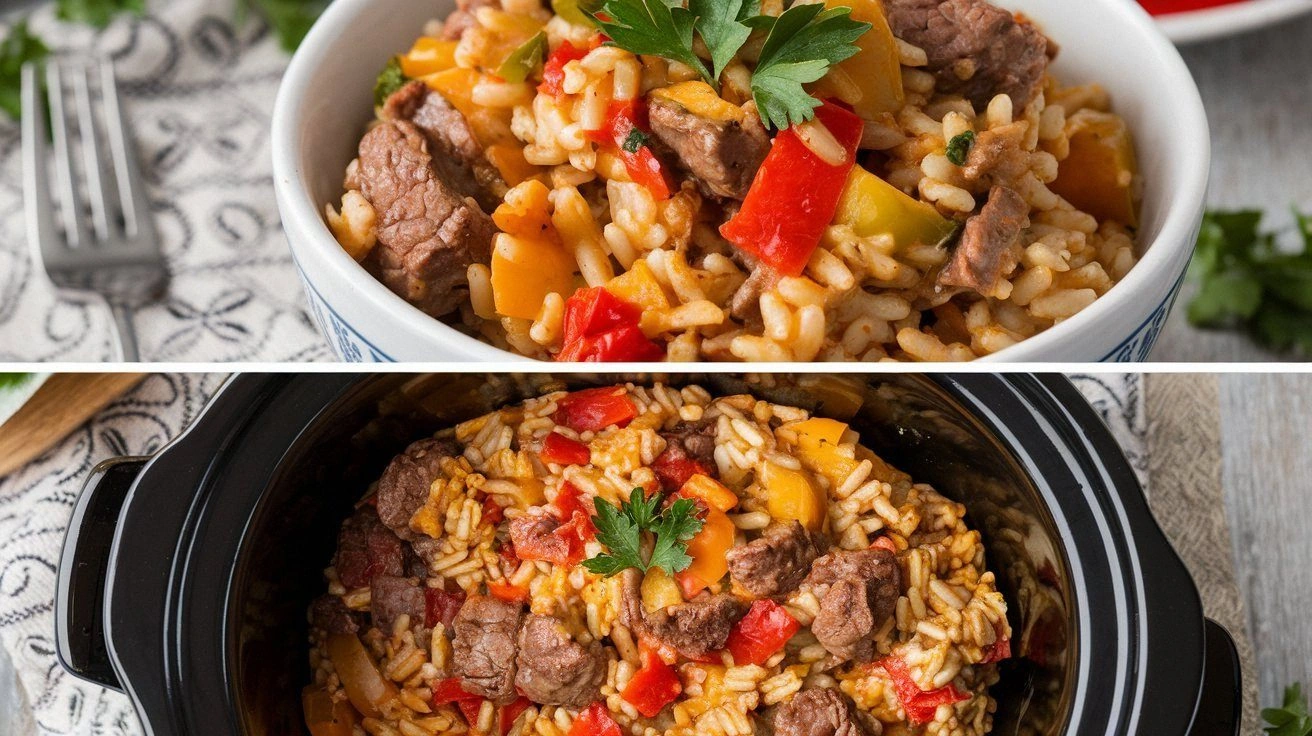
The Method — Step by Step
- Heat the olive oil in a large skillet over medium heat until shimmering. Add the diced onions, celery, and bell pepper, sautéing until they soften and develop a golden hue, about 5 minutes. Stir in the minced garlic and cook for an additional 30 seconds, watching it release its fragrant aroma. This step builds the flavor foundation that will carry through the slow cooker.
- Push the vegetables to the side of the skillet and add the sliced Andouille sausage. Let the sausage brown on each side for 3–4 minutes, allowing the fat to render and the meat to develop a crisp exterior. This browning step locks in moisture and adds a smoky depth that’s essential to authentic jambalaya.
- Transfer the sautéed mixture to the slow cooker, layering the diced chicken thighs on top. Sprinkle the paprika, cayenne pepper, dried thyme, and oregano evenly over the ingredients. The slow cooker will gently meld these spices, creating a fragrant, cohesive sauce.
- Pour the diced tomatoes, chicken broth, and Worcestershire sauce into the slow cooker. Gently stir to combine all elements, ensuring the rice will be evenly coated. The liquid should just cover the rice by about an inch; this balance is key to preventing over‑cooking or under‑cooking.
- Add the rice, spreading it evenly over the top. Gently fold the rice into the liquid with a spoon, making sure it’s submerged. This step is crucial for even cooking; if the rice clumps, it will result in uneven texture.
- Cover the slow cooker and set it to low for 4 hours or high for 2 hours. The low setting allows the flavors to develop slowly, while the high setting speeds up the process for busy evenings. Check the rice at the 3‑hour mark to ensure it’s absorbing liquid properly.
- When the rice is tender and the liquid has been absorbed, stir in the fresh parsley and hot sauce. Taste and adjust seasoning with salt and pepper if necessary. Serve hot, garnished with extra parsley and a squeeze of lime if desired, and enjoy the culmination of slow‑cooked perfection.
That’s it— you did it. But hold on, I've got a few more tricks that'll take this to another level, ensuring every bite is as memorable as the first.
Insider Tricks for Flawless Results
The Temperature Rule Nobody Follows
Most people cook jambalaya on high to save time, but the low setting is the secret to a silky, cohesive sauce. The slow, gentle heat allows the rice to absorb the liquid without becoming mushy, and the spices to meld into a single, harmonious flavor. I’ve seen even the most seasoned cooks skip this step, resulting in a dish that’s either under‑cooked or overly thick. Stick to low, and you’ll get a perfect texture every time. If you’re short on time, high is acceptable, but be mindful of the rice’s absorption rate. This trick guarantees a dish that’s both tender and flavorful.
Why Your Nose Knows Best
When the aroma hits your nose, it’s a sign the flavors are harmonizing. A sweet, caramelized scent indicates the veggies are properly sautéed, while a sharp, smoky odor signals the sausage has browned nicely. If the smell feels off or overly acidic, it’s time to taste and adjust the seasoning. Trusting your nose ensures the dish never falls into the trap of being too bland or too overpowering. I’ve had a friend who tried skipping the sauté step, and the end result was a bland, flavorless mess. Your nose is your best guide; listen to it.
The 5-Minute Rest That Changes Everything
Once the slow cooker finishes, let the jambalaya rest for 5 minutes before serving. This short pause allows the rice to set, preventing it from becoming mushy when you stir. It also lets the flavors settle, creating a more cohesive taste profile. I’ve seen dishes that are rushed to the table immediately; they’re often uneven and lack depth. The rest period is a small investment in a dramatically better outcome. The result? A dish that holds its shape and delivers a consistent burst of flavor in every bite.
The Right Rice Matters
Long‑grain rice is essential for a fluffy texture, while short‑grain rice can become sticky. If you prefer a slightly firmer bite, try using parboiled rice, which holds up better during the slow‑cooking process. Avoid pre‑cooked rice; it will become mushy and lose its structure. The key is to use rice that can absorb liquid without disintegrating. This tip ensures your jambalaya remains a beautiful, one‑pot masterpiece.
The Power of Fresh Herbs
Fresh parsley adds a bright, herbal note that lifts the dish. Adding it just before serving preserves its color and flavor. If you’re a fan of cilantro, feel free to substitute it for a different herbal finish. Avoid adding herbs too early, or they’ll lose their vibrancy. Fresh herbs are the final touch that transforms a good jambalaya into a great one. This small addition makes a huge difference.
The Secret to Even Cooking
Stirring the rice into the liquid once at the beginning is critical. It ensures even coverage and prevents clumping. A quick stir after adding the rice can make the difference between a perfect dish and a disaster. If you’re cooking a large batch, consider adding the rice in two phases, stirring each time. This trick guarantees a uniform texture and flavor throughout the pot.
Creative Twists and Variations
Cajun Shrimp Jambalaya
Swap the chicken for shrimp, adding them in the last 10 minutes of cooking. The shrimp’s sweet flavor pairs beautifully with the smoky sausage. This version is perfect for seafood lovers and adds a fresh, briny note. The cooking time is slightly reduced, but the result is just as delicious. A squeeze of lime before serving adds a bright citrus kick that balances the heat. This twist turns the dish into a true crowd‑pleaser.
Vegetarian Jambalaya
Replace the meats with a hearty mix of mushrooms, tofu, and black beans. Add extra spices to compensate for the lack of meat. The texture will be satisfying, and the flavor profile remains robust. This version is ideal for plant‑based diners who still crave a taste of Louisiana. Serve with a side of cornbread for a complete meal. The vegetarian jambalaya delivers comfort food without the meat.
Spicy Chipotle Jambalaya
Introduce chipotle peppers in adobo sauce for a smoky heat. Replace cayenne with chipotle for a deeper, smokier flavor. This variant is great for those who love a bit of extra heat. The adobo sauce adds a tangy, earthy undertone that elevates the dish. Pair it with a cool yogurt sauce to balance the spiciness. This twist transforms jambalaya into a smoky, fiery feast.
Creamy Cajun Jambalaya
Stir in a splash of coconut milk or heavy cream at the end to create a velvety sauce. The richness balances the spices and adds a luxurious mouthfeel. This version is ideal for a comforting, indulgent dinner. Serve over steamed rice or with crusty bread to soak up the sauce. The creamy texture makes it a unique take on a classic dish. This twist offers a delightful change of pace.
Puttanesca Jambalaya
Add olives, capers, and anchovy paste for a Mediterranean flair. The briny flavors contrast the sweet tomato base. This fusion dish is perfect for adventurous cooks looking to experiment. Pair it with a side of garlic bread for a complete meal. The result is a bold, flavorful jambalaya with an unexpected twist. This variation showcases the versatility of the base recipe.
Miso‑Infused Jambalaya
Incorporate a tablespoon of white miso paste for umami depth. The miso adds a savory, slightly sweet note that complements the spices. This version is great for those who love umami flavors. Serve with a side of sautéed greens to balance the dish. The miso infusion transforms jambalaya into a unique, globally inspired meal. This twist adds a layer of complexity.
Storing and Bringing It Back to Life
Fridge Storage
Store leftover jambalaya in an airtight container in the refrigerator for up to 4 days. The flavors continue to develop, making it even more delicious the next day. Keep it chilled to prevent bacterial growth. When reheating, add a splash of water or broth to re‑hydrate the rice. This method preserves moisture and texture. The dish remains flavorful and safe for consumption.
Freezer Friendly
For long‑term storage, freeze the jambalaya in freezer‑safe containers for up to 2 months. Thaw overnight in the refrigerator before reheating. Add a small amount of water before microwaving or reheating on the stovetop. This helps prevent the rice from drying out. The dish tastes just as good after thawing. Freezing is a convenient way to have a ready‑to‑eat meal on hand.
Best Reheating Method
The optimal way to reheat jambalaya is on the stovetop over low heat. Stir frequently to ensure even warming and to prevent sticking. Add a splash of chicken broth or water to maintain moisture. Heat until the internal temperature reaches 165°F (74°C). Serve immediately for the best texture. This method preserves the dish’s original flavor and consistency.