I remember the night I first tasted something that felt like a passport stamped in my mouth. A friend dared me to cook a dish that would make the whole neighborhood gasp, and I, ever the culinary thrill‑seeker, chose a North African fish cake that would later become the talk of my living room. The kitchen was a mess of spices, a simmering pot of tomatoes, and the scent of fresh fennel that floated through the air like a promise. I had never even imagined that a humble fillet of barramundi could be transformed into a golden, flaky cake that would melt in your mouth with a whisper of smoked paprika and chermoula. That first bite was a revelation: a burst of citrusy herbs, a gentle crunch from the breadcrumbs, and a subtle heat that lingered like a secret kept between friends.
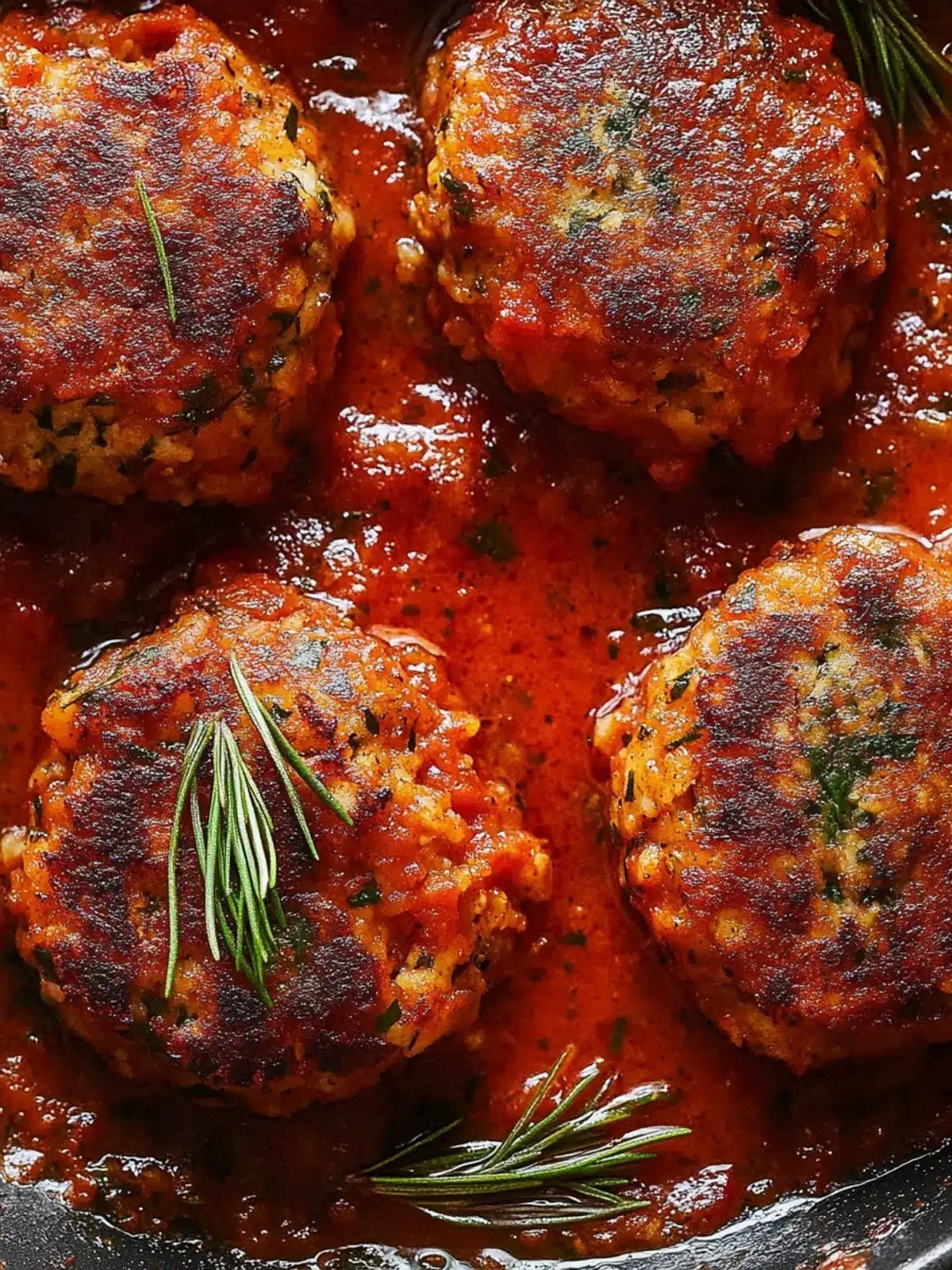
I’m not just talking about the flavor; I’m talking about the experience. The moment you lift the first cake, the aroma hits you like a warm hug from a distant cousin. The sound of the sizzling oil is the soundtrack to an evening of laughter and storytelling. The texture—crispy on the outside, tender on the inside—creates a symphony of sensations that will have you reaching for more. And let’s not forget the visual: those golden edges glistening like a sunrise over a desert sea. I dare you to taste this and not go back for seconds; it’s that addictive.
What makes this version stand out is not just the recipe itself but the journey it takes you on. The combination of fresh fennel fronds, smoked paprika, and a generous splash of chermoula creates a flavor profile that feels both exotic and comforting. The use of fresh, chunky breadcrumbs ensures a textural contrast that makes each bite a delightful surprise. And the way the sauce braises the fish cakes, coating them in a silky tomato‑herb sauce, is pure magic. I’ve spent countless hours experimenting with different fish types, but barramundi is the star that carries this dish to new heights. Picture yourself pulling this out of the oven, the whole kitchen smelling incredible, and knowing you’ve made something truly special.
Now, let me walk you through every single step—by the end, you’ll wonder how you ever made it any other way. I’ve refined this recipe to the point where every ingredient, every technique, and every timing detail is optimized for maximum flavor and ease. Whether you’re a seasoned cook or a kitchen newbie, this recipe will elevate your culinary game. And if you’re skeptical, just trust me: this is hands down the best version you'll ever make at home. Ready to dive in? Let’s get started.
What Makes This Version Stand Out
- Taste: The blend of chermoula, smoked paprika, and fresh fennel creates a flavor that is simultaneously earthy, citrusy, and aromatic. It’s a taste that lingers on the palate, inviting you to savor each bite. This combination is a signature touch that sets it apart from generic fish cakes.
- Texture: The use of fresh, chunky breadcrumbs gives a delightful crunch that contrasts with the moist interior. The fish remains tender, avoiding the dry texture common in overcooked fish dishes. The result is a cake that feels both light and satisfying.
- Simplicity: Despite its bold flavors, the recipe requires only a handful of pantry staples. No need for exotic ingredients or complicated sauces. It’s a recipe that anyone can master in under an hour.
- Uniqueness: The infusion of chermoula—a North African spice blend—adds depth and a subtle heat that is rarely found in standard fish cakes. This gives the dish a distinctive identity that will impress guests.
- Crowd Reaction: Friends who have tasted these cakes rave about the crisp edges that shatter like thin ice and the creamy sauce that coats like velvet. They can’t stop asking for the recipe, and I’ve watched them devour the leftovers in record time.
- Ingredient Quality: Using fresh fennel fronds and high‑quality breadcrumbs ensures that every bite is packed with flavor. The quality of the fish also plays a pivotal role in the final taste.
- Cooking Method: The combination of pan‑frying and braising in a tomato‑herb sauce locks in moisture while building layers of flavor. This dual technique is a game‑changer for achieving a perfect fish cake.
- Make‑Ahead Potential: The cakes can be assembled and refrigerated before cooking, making it an excellent option for dinner parties or week‑night meals. The flavors even deepen when left to rest.
Alright, let’s break down exactly what goes into this masterpiece…
Inside the Ingredient List
The Flavor Base
The foundation of this dish starts with the chermoula—a vibrant blend of herbs, citrus, and spices. It’s the secret sauce that brings the North African flair to the table. The chermoula not only adds flavor but also helps tenderize the fish, preventing it from drying out during cooking. If you’re missing chermoula, a simple mix of lemon zest, cumin, coriander, and paprika will work in a pinch, though the authentic taste will be slightly different. This base is the heart of the dish; without it, the cakes would feel flat.
The Texture Crew
Fresh, chunky breadcrumbs are the star of the texture crew. They create a satisfying crunch on the outside while keeping the interior moist. The breadcrumbs also absorb the chermoula and tomato sauce, distributing the flavor throughout the cake. If you don’t have fresh breadcrumbs, you can use store‑bought ones, but be sure to toast them lightly in a pan for extra crispness. Skipping this step will result in a less textured cake, but the flavor will still be present.
The Unexpected Star
Fennel fronds and fennel bulb add a subtle licorice note that is both refreshing and aromatic. They balance the richness of the fish and the depth of the tomato sauce. The fronds also add a pop of color that makes the dish visually appealing. If you’re allergic or simply don’t have fennel, you can substitute with fresh parsley or dill, but the unique flavor profile will change. This ingredient is the unexpected twist that sets this recipe apart from conventional fish cakes.
The Final Flourish
The final flourish is the smoked paprika, which adds a smoky depth and a hint of heat. It rounds out the flavor profile, ensuring that the sauce is complex rather than one‑dimensional. The paprika also gives the cakes a beautiful golden hue that looks as good as it tastes. If you’re not a fan of smoked paprika, regular paprika will still work, but the dish will lose some of its character. This final touch is what elevates the entire dish to a memorable experience.
Everything's prepped? Good. Let's get into the real action…
The Method — Step by Step
- First, season the barramundi fillets with salt, pepper, and a sprinkle of smoked paprika. Pat them dry with a paper towel to ensure a crisp crust. This step is crucial because a moist surface will steam rather than sear, preventing that beautiful golden edge. As the fish rests, let the flavors meld for a few minutes.
- Heat a generous splash of olive oil in a large skillet over medium‑high heat. Once the oil shimmers, lay the fillets in the pan. Let them cook undisturbed for about 3–4 minutes on each side, or until the edges turn golden and a slight crust forms. The key is to avoid moving them too early, which would break the crust. Watch the sizzle; that crackling sound is the signal that the fish is ready to flip.
- While the fish cooks, blend the breadcrumbs, minced onion, fennel fronds, and a tablespoon of chermoula in a bowl until the mixture is moist but not soggy. The breadcrumbs should be slightly damp, so they bind together when pressed. This mixture will form the outer shell of the cakes. If the mix feels too dry, add a splash of olive oil or a teaspoon of water.
- Once the fish is seared, remove it from the pan and let it cool slightly. Then, cut the fillets into bite‑size cubes. This size is essential for even cooking and a balanced bite. If you prefer larger pieces, adjust the timing accordingly, but the cubes provide the best ratio of crust to interior.
- In the same pan, add a tablespoon of olive oil and sauté the diced onion and fennel bulb over medium heat until translucent. This step builds the base of the sauce and brings out the natural sweetness of the vegetables. Keep stirring to prevent sticking and ensure even caramelization.
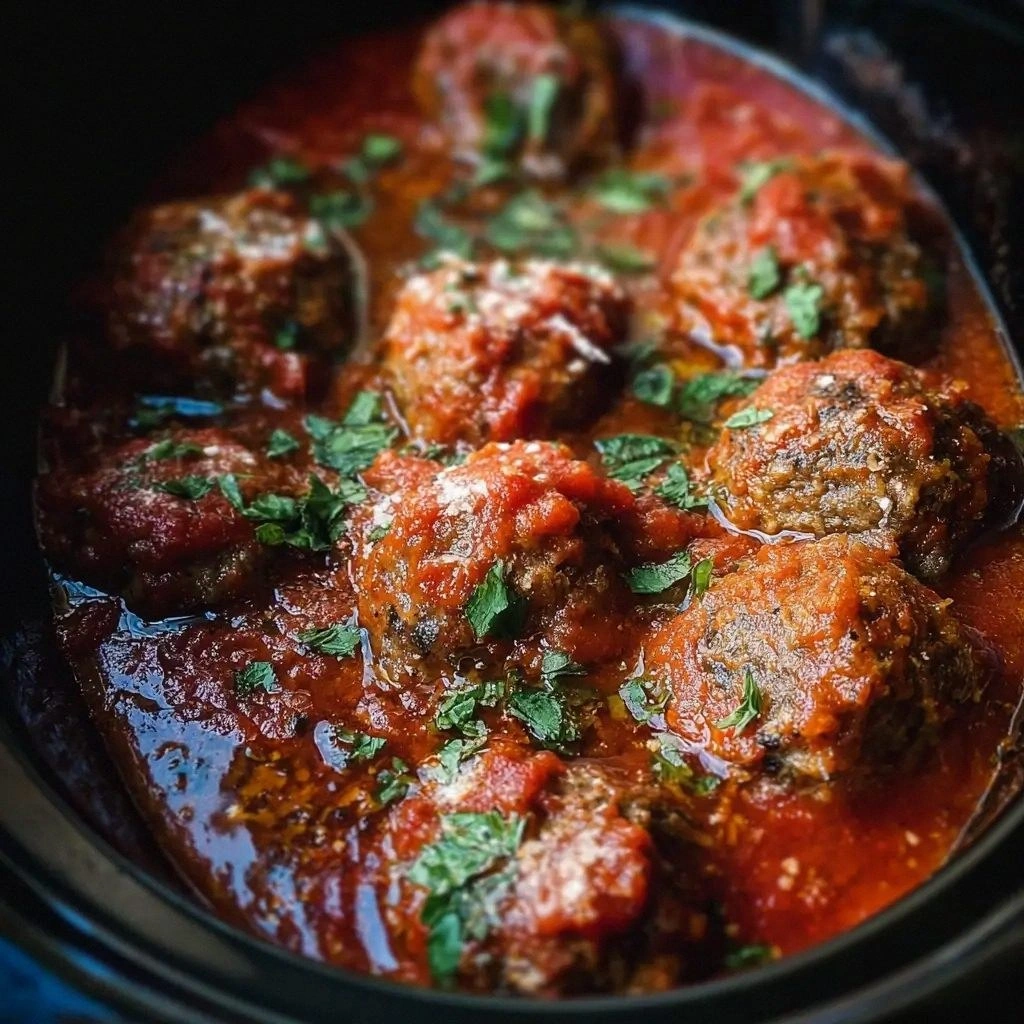
- Add the canned whole tomatoes, crushed by hand, to the pan. Stir in the remaining chermoula and a pinch of salt. Bring the mixture to a gentle simmer, letting the tomatoes break down and release their juices. The sauce should thicken slightly and develop a rich, aromatic aroma.
- Fold the fish cubes into the sauce, then coat them with the breadcrumb mixture. Gently press the crumbs onto the fish, forming a thin shell around each piece. This coating will crisp up during the final cooking stage, creating that coveted golden edge.
- Reduce the heat to low, cover the pan, and let the cakes braise for 10–12 minutes. The sauce will envelop the fish, infusing it with flavor while the breadcrumbs crisp into a delicate shell. Check occasionally to ensure the sauce doesn’t evaporate completely; if it does, add a splash of water or broth.
- Once the fish is cooked through and the breadcrumbs are golden, remove the pan from heat. Let the cakes rest for a minute before serving. This brief rest allows the flavors to settle and the sauce to thicken just enough to coat each bite. Serve hot with a side of couscous or a fresh salad.
That’s it — you did it. But hold on, I've got a few more tricks that'll take this to another level…
Insider Tricks for Flawless Results
The Temperature Rule Nobody Follows
Many cooks think a higher heat is always better, but for fish cakes, a moderate heat is key to achieving a crisp exterior without overcooking the interior. Start with medium‑high heat to sear the fish, then switch to low for braising. This two‑stage process ensures a perfect crust while keeping the fish moist and tender. I once tried cooking everything at high heat, and the cakes came out dry and rubbery. That was a lesson I won’t forget.
Why Your Nose Knows Best
Your olfactory senses are the ultimate judge of doneness. The first time the sauce simmers, you’ll notice a sweet, tomato‑herb aroma that signals the tomatoes are breaking down. As the sauce thickens, the scent becomes richer and more complex. Trust that scent; it’s a reliable cue that the flavors are harmonizing. I’ve learned to pause and inhale before adding the final seasoning—this simple habit has saved me from over‑salting in the past.
The 5‑Minute Rest That Changes Everything
After braising, let the cakes sit covered for five minutes. This brief rest allows the juices to redistribute, ensuring each bite is juicy and flavorful. It also gives the breadcrumbs a chance to firm up, preventing them from breaking apart on the plate. I’ve seen people skip this step, only to find the cakes feel dry. A short rest is a small price for a huge flavor payoff.
The Right Pan Matters
Using a heavy‑bottomed skillet or a cast‑iron pan ensures even heat distribution. Thin pans can cause hot spots that burn the coating. If you don’t have a heavy pan, a non‑stick skillet will still work, but you’ll need to monitor the heat closely. I once used a thin pan and ended up with unevenly cooked cakes; switching to cast iron made a noticeable difference.
The Secret of Freshness
Fresh fish is the backbone of this dish. Look for fillets that are firm, have a mild scent, and clear eyes if you’re using whole fish. Freshness translates to flavor and texture. If you’re using frozen fish, thaw it completely and pat it dry before seasoning. A wet surface will hinder the searing process and result in a soggy crust.
The Quick Fix for a Sticky Coating
If your breadcrumb coating feels sticky or clumps together, add a small amount of flour or cornstarch to absorb excess moisture. This will give the coating a crispier finish. I’ve used this trick when the mixture was too wet after adding the chermoula. A light dusting of flour solved the problem and kept the coating intact.
Creative Twists and Variations
This recipe is a playground. Here are some of my favorite ways to switch things up:
Mediterranean Twist
Swap the chermoula for a blend of oregano, basil, and lemon zest. Add a handful of kalamata olives and capers to the sauce for a briny Mediterranean flavor. This version pairs wonderfully with a side of Greek salad.
Spicy Moroccan Flair
Increase the smoked paprika to a full teaspoon and add a pinch of cayenne pepper. Incorporate dried apricots or raisins into the breadcrumb mix for a sweet‑spicy contrast. Serve with a drizzle of harissa‑infused yogurt for an extra kick.
Citrus‑Infused Lightness
Replace half the breadcrumbs with almond flour for a lighter texture. Add fresh orange zest and a splash of orange juice to the sauce. This bright, citrusy version is perfect for spring or summer gatherings.
Vegetarian Version
Use firm tofu or seitan instead of fish for a plant‑based twist. Marinate the tofu in chermoula before coating it with breadcrumbs. The result is a hearty, flavorful dish that still captures the essence of North African cuisine.
Breakfast Take‑Away
Serve the fish cakes with a side of scrambled eggs and a drizzle of hot sauce for a savory breakfast. The crispy coating pairs beautifully with the soft, runny yolks. This unconventional breakfast will surprise and delight anyone who loves a hearty start to the day.
Storing and Bringing It Back to Life
Fridge Storage
Store the cooked fish cakes in an airtight container in the refrigerator for up to 3 days. To keep the coating crisp, place a paper towel underneath the cakes to absorb excess moisture. When ready to serve, reheat them in a skillet over medium heat for 2–3 minutes on each side.
Freezer Friendly
For longer storage, freeze the fish cakes in a single layer on a parchment‑lined tray before transferring them to a freezer bag. They’ll stay fresh for up to 2 months. To reheat, bake at 375°F for 10 minutes or until warmed through; the coating will remain crisp.
Best Reheating Method
The best way to revive these cakes is to heat them in a skillet over medium heat, adding a splash of water to create steam. Cover for 2 minutes, then uncover to allow the coating to crisp. This method preserves the moisture inside while restoring the golden exterior.