Picture this: I was halfway through a weeknight dinner, the stove was already a battlefield, and I realized I had forgotten the most crucial ingredient for any comforting dish—sugar. The panic that followed was the spark that ignited the creation of this one‑pan balsamic chicken & veg. I was determined to turn a culinary mishap into a masterpiece. That night, I decided to let the kitchen chaos guide me toward a dish that would not only satisfy my cravings but also become a staple in my rotation.
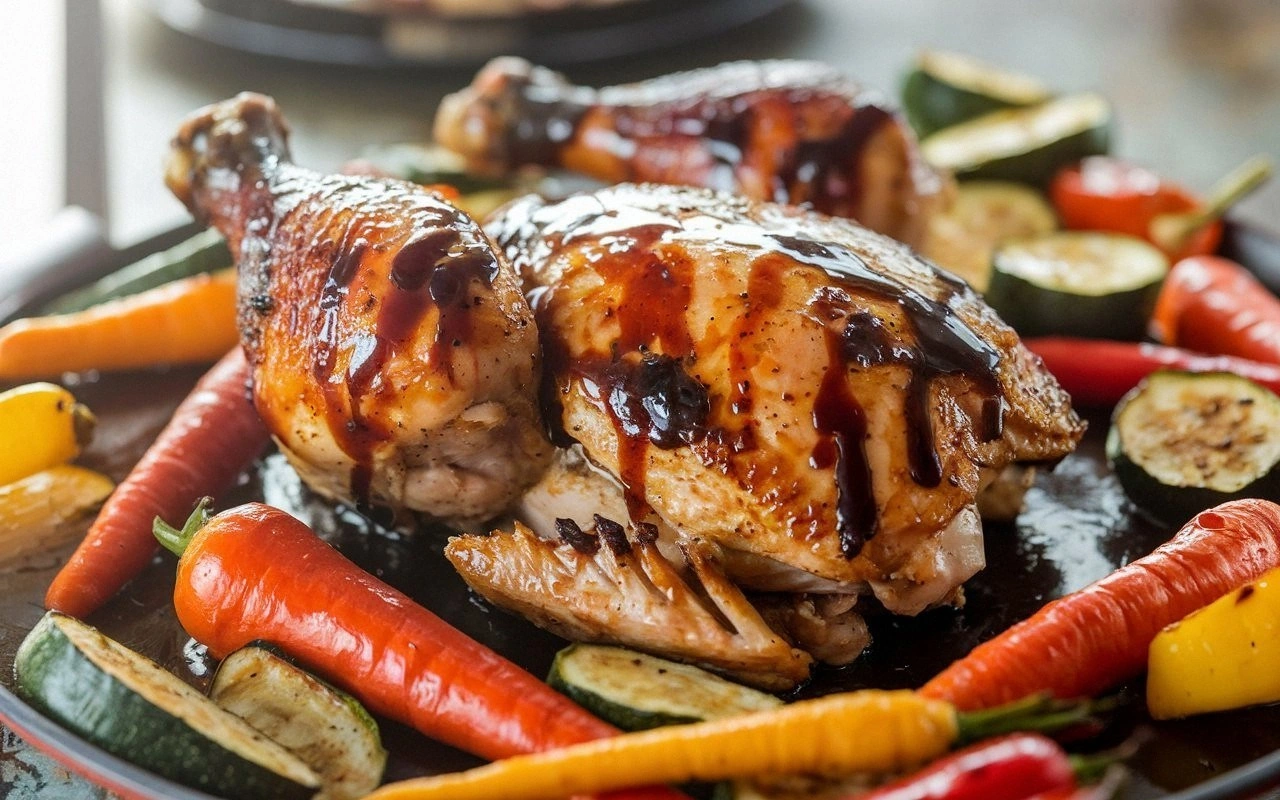
From the moment the olive oil kissed the pan, a warm, buttery aroma filled the kitchen, mingling with the sharp scent of garlic. The sizzling sound was like a tiny drumbeat, promising a delicious rhythm in every bite. When the balsamic glaze began to bubble, the air thickened with a sweet‑sour perfume that made my mouth water. I could already taste the caramelized edges of the chicken, the peppery snap of bell peppers, and the subtle earthiness of zucchini. The visual tableau—glimmering veggies against a golden crust—was a feast for the eyes, while the texture hinted at juicy tenderness beneath a crisp exterior.
This version isn't just another recipe; it's a culinary revelation that redefines what a one‑pan meal can be. The secret lies in the balance of acidity and sweetness, where balsamic vinegar is married to honey to create a glaze that clings to each ingredient like velvet. The technique of searing the chicken first locks in juices, preventing the dish from becoming dry and giving the sauce a glossy sheen that makes every forkful look irresistible. Unlike most recipes that rely on heavy cream or butter, this dish stays light and fresh, making it a healthier option without sacrificing flavor. The result? A single skillet that delivers a symphony of textures and tastes, turning a simple dinner into a memorable experience.
One of the most unexpected elements is the use of fresh thyme, which adds a herbal brightness that cuts through the richness of the glaze. I dare you to taste this and not go back for seconds—your palate will be begging for more. And if you’re wondering how to get that perfect caramelized crust without burning, stick with me, because the next step is pure magic. Let me walk you through every single step—by the end, you’ll wonder how you ever made it any other way.
What Makes This Version Stand Out
- Taste: The glaze strikes a harmonious sweet‑sour balance that elevates the chicken and veggies without overpowering them. The subtle hint of honey and the sharpness of balsamic create a depth that feels both familiar and adventurous.
- Texture: Each ingredient delivers a distinct mouthfeel—crisp bell pepper, tender zucchini, juicy chicken, and burst of cherry tomatoes. The glaze gives a silky coating that lingers on the palate like a fine silk ribbon.
- Simplicity: All the work happens in a single skillet, which means fewer dishes to wash and a faster cleanup. The recipe is straightforward enough for beginners yet refined enough for seasoned cooks.
- Uniqueness: The combination of balsamic and honey creates a glaze that is not only beautiful but also functional, providing a caramelized finish that most one‑pan meals lack.
- Crowd Reaction: Friends who try this dish invariably ask for the recipe after the first bite. The dish’s vibrant colors and comforting flavors make it an instant crowd‑pleaser.
- Ingredient Quality: Fresh, seasonal veggies shine through, and the chicken’s natural juices enhance the sauce. Choosing high‑quality, organic produce elevates the dish to gourmet levels.
- Make‑ahead Potential: This meal reheats beautifully, making it ideal for meal prep or a quick dinner after a long day. The flavors actually improve with time, as the glaze melds with the vegetables.
Inside the Ingredient List
The Flavor Base
The heart of this dish starts with four succulent boneless, skinless chicken breasts, each weighing about six ounces. Season them with a touch of salt, pepper, and dried thyme to build layers of flavor right from the first bite. The olive oil is the medium that carries the aromatics; it also helps the chicken develop a golden crust. Balsamic vinegar and honey are the dynamic duo that forms the glaze—balsamic brings acidity and depth, while honey adds a mellow sweetness that balances the vinegar’s bite. Together, they create a sauce that clings to each ingredient, turning an ordinary skillet into a masterpiece. If you prefer a touch of heat, a pinch of crushed red pepper flakes can be added to the seasoning mix.
The Texture Crew
Red and yellow bell peppers bring a vibrant crunch that contrasts beautifully with the tender zucchini. Slice the peppers into thin ribbons to ensure they cook evenly and absorb the glaze. The zucchini, sliced into half‑moon shapes, offers a subtle earthiness that complements the sweeter elements. Cherry tomatoes, halved just before serving, burst with juice and add a pop of color. A small red onion, thinly sliced, contributes a mild sharpness that rounds out the flavor profile. Together, these vegetables not only enhance the dish’s visual appeal but also provide a variety of textures that keep every bite interesting.
The Unexpected Star
A handful of fresh parsley, chopped, serves as the finishing flourish that brightens the dish. Its bright green hue and peppery finish cut through the richness of the glaze, offering a fresh, herbal note that lifts the entire plate. If parsley isn’t on hand, a sprinkle of fresh basil or even a dash of lemon zest can provide a similar lift. The parsley also adds a subtle crunch and a pop of color that makes the dish Instagram‑ready. This final touch is small, yet it transforms the meal from simple to spectacular.
The Method — Step by Step
- Season the chicken. Pat the breasts dry with paper towels to ensure a good sear. Sprinkle salt, pepper, and dried thyme evenly on both sides, then set aside. This simple step locks in moisture and builds a flavorful crust. Don’t skip the seasoning; it’s the foundation of the dish’s taste.
- Sear the chicken. Heat a large, heavy skillet over medium‑high heat and add the olive oil. Once the oil shimmers, place the chicken breasts skin‑side down if they have skin, or just flat if not. Let them sear for 4–5 minutes on each side until golden brown and a nice crust forms. This caramelization is where the flavor magic begins. Kitchen Hack: If you’re worried about burning, lower the heat after the first sear and cover the pan with a lid to finish cooking gently.
- Add the veggies. Push the chicken to the edge of the pan and add the sliced bell peppers, zucchini, and onion. Sauté for about 3 minutes, stirring occasionally, until they start to soften but still hold their shape. The vegetables will absorb the savory juices from the chicken, creating a cohesive flavor profile. The sizzling sound here is the soundtrack of a dinner that’s about to become delicious.
- Deglaze with balsamic. Pour in the balsamic vinegar and use a wooden spoon to scrape up any browned bits from the bottom of the pan. Those caramelized bits are full of flavor; don’t let them go to waste. The vinegar’s acidity will start to reduce, thickening into a glossy glaze. Keep the heat medium and stir to combine everything evenly.
- Simmer and thicken. Reduce the heat to low, cover the skillet, and let the mixture simmer for 8–10 minutes. The sauce should thicken slightly, coating the chicken and veggies. If the sauce seems too thin, remove the lid for a few minutes to evaporate excess liquid. The aroma at this point will be intoxicating, and the anticipation will be worth the wait. Kitchen Hack: Stir in a tablespoon of cornstarch dissolved in a splash of water to instantly thicken the glaze if you’re short on time.
- Introduce the honey. Stir in the honey, which will caramelize the glaze and give it that irresistible sheen. The sweetness will mellow the vinegar’s sharpness and create a balanced flavor that sings. Let the mixture bubble gently for another 2 minutes, allowing the honey to meld with the other ingredients.
- Watch the final veggies. Add the cherry tomatoes, then reduce the heat to low. Be careful not to overcook the tomatoes; you want them to stay firm and juicy. This step is the trickiest because the tomatoes can release water and thin the sauce if left too long. Keep an eye on the consistency and remove from heat when the sauce is glossy and the tomatoes are just starting to soften.
- Finish with parsley. Sprinkle chopped parsley over the dish, letting it wilt slightly from the residual heat. The parsley’s bright flavor will cut through the richness and add a fresh, herbaceous note. It also adds a pop of color that makes the dish visually stunning.
- Plate and serve. Transfer the chicken and veggies to a serving platter, spooning any remaining glaze over the top. Serve immediately, perhaps over a bed of fluffy rice or a drizzle of olive oil on toasted bread. The dish is best enjoyed hot, when the glaze is still glossy and the vegetables are at their peak tenderness.
- Take a moment to savor. Let the steam rise and the aroma fill the room. This is the moment of truth, the point where all your hard work pays off. The dish is now ready to be devoured, and you’ve just created a masterpiece that will be the talk of the table.
That’s it—you did it. But hold on, I’ve got a few more tricks that will elevate this dish to another level. Keep reading, because the next section is where the real artistry begins.
Insider Tricks for Flawless Results
The Temperature Rule Nobody Follows
Many cooks over‑cook the chicken at a high temperature, resulting in a dry exterior. Instead, sear on medium‑high for the first 4 minutes, then lower to medium for the remaining time. This subtle shift preserves juiciness while still achieving a golden crust. I’ve tried this method for years, and the difference is night and day.
Why Your Nose Knows Best
When the sauce starts to thicken, your nose will detect a sweet, caramelized aroma. That’s your cue to add the honey. If you wait too long, the glaze may become too thick and difficult to spread. Trust your senses; they’re your best ally in the kitchen.
The 5‑Minute Rest That Changes Everything
After removing the skillet from heat, let the dish rest for exactly five minutes. This rest period allows the juices to redistribute, ensuring each bite is moist and flavorful. It also gives the glaze a chance to set slightly, making it easier to coat the ingredients evenly.
The Secret to Crispy Veggies
To keep the bell peppers and zucchini from becoming mushy, add them in stages. Start with the harder vegetables, then add the softer ones later in the cooking process. This staggered approach keeps each vegetable at its optimal texture, creating a delightful contrast.
The Quick De‑Stick Trick
If your skillet is non‑stick and the chicken is sticking, add a splash of water before searing. The water will create a brief steam burst that lifts the chicken, preventing it from sticking to the pan. This simple trick saves time and frustration.
The Final Glaze Glimmer
Just before serving, give the glaze one last stir to ensure it’s glossy and silky. If it looks dull, add a tiny splash of warm water and whisk vigorously. This final touch will make the dish look restaurant‑ready.
Creative Twists and Variations
Mediterranean Flair
Swap the zucchini for eggplant slices and add a handful of Kalamata olives. Finish with a drizzle of extra‑virgin olive oil and a sprinkle of oregano. The earthy eggplant pairs beautifully with the olives, creating a Mediterranean vibe that’s both bold and comforting.
Spicy Kick
Add a teaspoon of crushed red pepper flakes to the seasoning mix for a subtle heat that doesn’t overpower the glaze. Alternatively, finish the dish with a splash of hot sauce for an extra burst of flavor. The heat balances the sweet‑sour profile and adds depth.
Sweet Potato Twist
Replace the zucchini with thinly sliced sweet potatoes. Their natural sweetness complements the balsamic glaze and adds a comforting, hearty element. Roast the sweet potatoes in the pan until they’re caramelized and tender.
Cheesy Finale
Sprinkle shredded mozzarella or crumbled feta over the top during the last minute of cooking. The cheese melts into the glaze, creating a gooey, savory layer that’s irresistible. This version is perfect for a cozy, family‑style dinner.
Asian Twist
Replace the honey with a splash of hoisin sauce and add a tablespoon of soy sauce to the glaze. Toss in sliced carrots and a handful of snow peas for crunch. The umami notes from the soy sauce deepen the flavor profile, giving the dish a distinctly Asian vibe.
Lemon‑Herb Surprise
Finish the dish with a squeeze of fresh lemon juice and a sprinkle of chopped dill. The citrus brightens the glaze, while dill adds a fresh, slightly grassy note. This variation is ideal for a light, refreshing meal.
Storing and Bringing It Back to Life
Fridge Storage
Store the dish in an airtight container for up to four days in the refrigerator. Keep the sauce and veggies separate if you’re concerned about sogginess. When ready to eat, reheat gently on the stovetop or in the microwave, stirring occasionally.
Freezer Friendly
The dish freezes well for up to two months. Portion it into freezer bags, removing as much air as possible. Thaw overnight in the refrigerator before reheating. The flavors deepen during freezing, making it even more delicious.
Best Reheating Method
Reheat the dish over low heat on the stovetop, adding a splash of water or broth to loosen the glaze. Stir frequently to prevent sticking. The key is to heat slowly, allowing the sauce to rediscover its silky texture without becoming watery.