I was halfway through a Sunday dinner when the kitchen exploded in a chaotic symphony of sizzling bacon, melting cheese, and the unmistakable aroma of a burger simmering in a pot. The moment the bacon hit the pan, it sang a crackling tune that made my taste buds do a double-take. My friends, who had come over for a casual meal, were watching me with wide eyes as I tossed a handful of ground beef into the hot skillet, letting it brown to a perfect mahogany. The sizzling sound was so inviting that even the most seasoned home cooks could feel the temptation to reach for the stove.
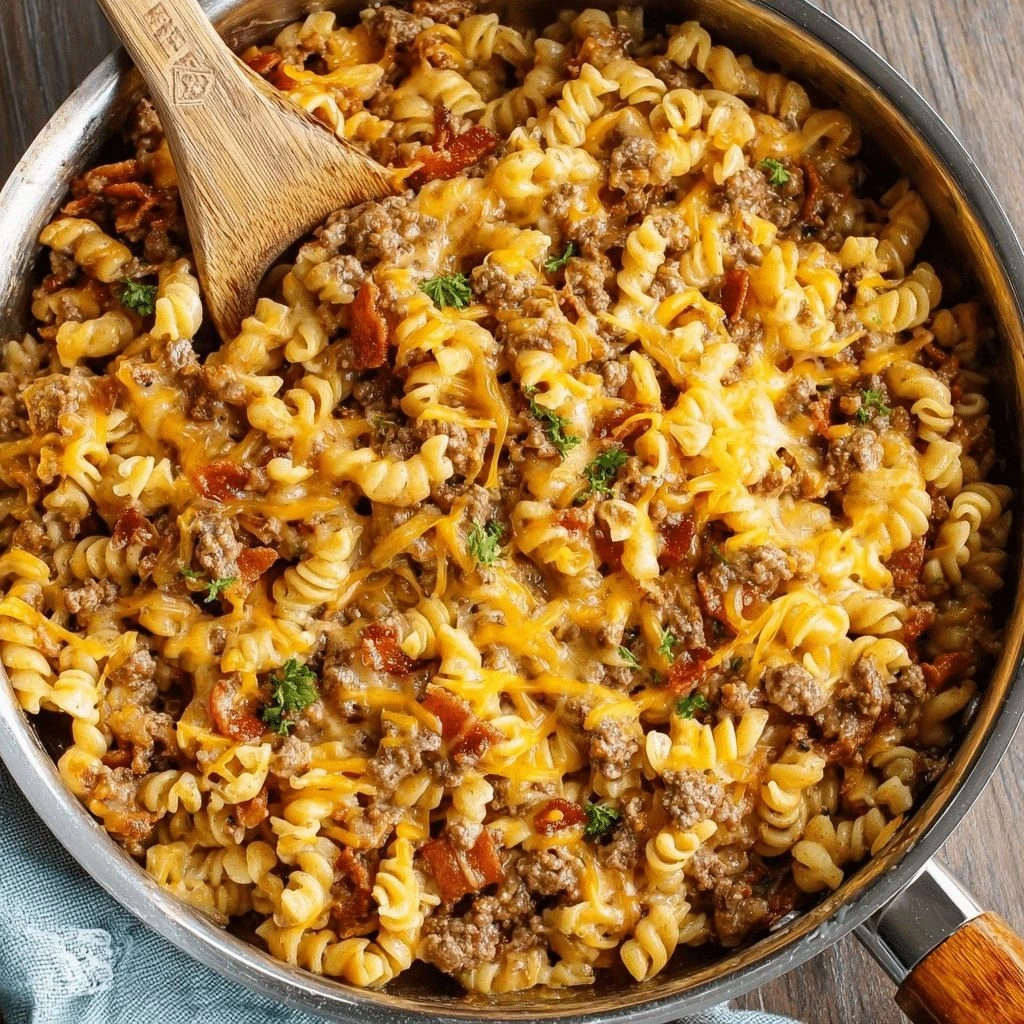
I realized then that I had stumbled upon a culinary secret: a loaded bacon cheeseburger pasta that could turn any ordinary dinner into an instant crowd-pleaser. Picture this: tender pasta bathed in a velvety, tangy sauce that coats each strand like a silky blanket, studded with crispy bacon bits that shatter like thin ice, and a melty mix of cheddar, mozzarella, and pepper jack that oozes with every bite. It’s not just a dish; it’s a flavor explosion that dances on your palate with every forkful. If you’ve ever been tempted by the idea of a burger-inspired pasta, this is the version that will make you question why you ever settled for anything else.
What sets this recipe apart isn’t just the combination of ingredients—it’s the technique that brings them together. I discovered that layering the sauce, cheese, and pasta in a specific order creates a depth of flavor that is impossible to replicate with a standard spaghetti and meat sauce. The secret sauce—an amalgamation of ketchup, mayo, mustard, and Worcestershire—acts as the glue, binding everything into a cohesive, creamy texture that doesn’t slip off the fork. The bacon, cooked to a crisp and then crumbled, provides a crunchy contrast that keeps each bite exciting. And the final splash of sour cream and milk turns the dish into a silky, indulgent experience that feels like a cheat day every day.
I dare you to taste this and not go back for seconds. The moment you take that first bite, the flavors will burst in a way that feels like a guilty pleasure turned wholesome. Picture yourself pulling this out of the oven, the whole kitchen smelling incredible, and seeing the steam rise from a bubbling pot of pasta that looks like a savory, cheesy mountain. That sizzle when it hits the pan? Absolute perfection. If you've ever struggled with making a pasta dish that feels both indulgent and balanced, you're not alone—and I've got the fix. Let me walk you through every single step—by the end, you'll wonder how you ever made it any other way.
What Makes This Version Stand Out
- Flavor Complexity: The sauce is a bold blend of ketchup, mayo, mustard, and Worcestershire, creating a tangy, savory base that elevates the classic beef taste. Each component adds a layer of depth, turning simple pasta into a gourmet experience.
- Texture Contrast: Crispy bacon, creamy cheeses, and al dente pasta work together to give every bite a delightful crunch and a smooth finish. The bacon’s crisp edges shatter like thin ice, while the melted cheese coats the pasta like velvet.
- Ingredient Quality: Using fresh, high‑quality ground beef and real cheeses makes the difference between ordinary and extraordinary. The beef’s fat content ensures the sauce stays luscious, and the cheeses melt into a rich, silky coating.
- Simple Prep, Big Impact: The recipe requires minimal prep time—just a few minutes of chopping and a quick sear. The method is straightforward, making it ideal for busy weeknights without sacrificing flavor.
- Make‑ahead Friendly: Once cooked, the dish holds up well in the fridge and reheat beautifully, making it perfect for meal prep or a potluck favorite.
- Universal Appeal: Whether you’re a burger aficionado or a pasta purist, the combination of familiar flavors with a twist ensures everyone will love it.
- Versatile Variations: The base recipe is a playground—swap in different cheeses, add veggies, or switch proteins to suit any dietary preference.
Inside the Ingredient List
The Flavor Base
At the heart of this dish lies a sauce that marries sweet, tangy, and umami notes. Tomato sauce provides the foundational tomato flavor, while ketchup adds a subtle sweetness and a touch of acidity that cuts through the richness of the meats. Mayonnaise brings creaminess and a silky mouthfeel, and mustard offers a bright, peppery kick. Worcestershire sauce injects depth with its fermented, savory undertones. Together, they create a sauce that coats the pasta like a silky blanket. If you skip any one of these, the sauce will feel flat and incomplete—think of it as a symphony missing a crucial instrument.
Swap tips: If you’re avoiding ketchup, try a splash of balsamic vinegar for acidity. For a lighter version, replace mayo with Greek yogurt; it still delivers creaminess without the extra fat. When buying tomato sauce, opt for a low‑sodium variety to keep the dish from turning salty.
The Texture Crew
Ground beef is the backbone of this recipe, providing a hearty, meaty flavor that anchors the dish. Use an 80/20 blend for the best balance of flavor and juiciness; the fat content keeps the sauce luscious and the beef tender. Bacon adds a smoky, savory crunch that contrasts with the softness of the pasta and cheeses. The combination of cheddar, mozzarella, and pepper jack offers a melty, gooey texture that lingers on the tongue. Each cheese brings a distinct flavor—cheddar for sharpness, mozzarella for stretch, pepper jack for a subtle heat.
If you’re a health‑conscious cook, consider using turkey bacon or lean ground turkey to reduce fat. However, the beef’s fat content is essential for that mouth‑watering richness. When selecting bacon, look for a brand with a balanced ratio of meat to fat; too much fat can make the dish greasy, while too little can reduce the bacon’s signature flavor.
The Unexpected Star
Sour cream and milk may seem like ordinary pantry staples, but in this recipe, they play a starring role. Sour cream adds a tangy richness that brightens the sauce, while milk helps thin it to the perfect consistency. The combination prevents the dish from becoming too thick or clumpy, ensuring each strand of pasta is evenly coated. Without these dairy elements, the sauce would be overly heavy and less cohesive.
For a dairy‑free version, replace sour cream with coconut cream and milk with almond milk. The coconut will give a subtle tropical note, while the almond milk keeps the sauce light. Always whisk the dairy into the sauce before adding the pasta to maintain a smooth texture.
The Final Flourish
Seasonings like garlic powder, onion powder, paprika, Italian seasoning, and crushed red pepper flakes tie the dish together, giving it a well‑rounded flavor profile. Garlic and onion powders provide a subtle savory base, while paprika adds a smoky warmth. Italian seasoning brings herbal undertones that echo the pasta’s Italian roots, and the red pepper flakes give a gentle heat that awakens the palate. The final sprinkle of freshly grated Parmesan adds a salty, nutty finish that lingers on the tongue.
If you’re looking to reduce sodium, use low‑sodium tomato sauce and skip the added salt; the cheeses and bacon will still provide plenty of flavor. For an extra layer of freshness, finish the dish with a squeeze of lemon juice—this brightens the flavors and balances the richness.
Everything's prepped? Good. Let's get into the real action...
The Method — Step by Step
- Step 1: Cook the Pasta. Bring a large pot of salted water to a rolling boil. Add the pasta and cook according to package instructions until al dente—about 8-10 minutes. Reserve a cup of pasta water, then drain and set aside. The pasta should still have a slight bite; it will soften slightly when combined with the sauce.
- Step 2: Render the Bacon. While the pasta cooks, heat a large skillet over medium heat. Add the bacon slices and cook until they are crisp and browned, about 5-6 minutes. Flip them halfway through for even crisping. Once done, remove the bacon, drain on paper towels, and crumble into bite‑sized pieces. The bacon fat will be used to sauté the beef and flavor the sauce.
- Step 3: Brown the Beef. In the same skillet, add the ground beef in a single layer. Let it sear without stirring for 2-3 minutes to develop a golden crust. Then stir, breaking it into crumbles, and continue cooking until fully browned and no pink remains. Drain excess grease if necessary, leaving about a tablespoon of fat for flavor. The beef should be caramelized, giving a deep, savory base.
- Step 4: Build the Sauce. Reduce heat to low and add the tomato sauce, ketchup, mayo, mustard, and Worcestershire to the skillet. Stir until the mixture is smooth and starts to bubble gently. This is the moment of truth—if it doesn’t smell toasty and slightly caramelized, let it simmer a few more minutes. Add garlic powder, onion powder, paprika, Italian seasoning, and crushed red pepper flakes; stir to combine.
- Step 5: Incorporate the Dairy. Pour in the sour cream and milk, whisking constantly to prevent curdling. The sauce should thicken to a creamy consistency that coats the back of a spoon. If the sauce becomes too thick, add a splash of reserved pasta water to reach the desired thickness.
- Step 6: Mix in Cheeses. Add the shredded cheddar, mozzarella, and pepper jack to the sauce. Stir until all cheeses melt completely, forming a silky, velvety coating. The cheese should be glossy and stretchy, not clumpy. This step ensures every strand of pasta is drenched in rich, cheesy goodness.
- Step 7: Combine Pasta and Sauce. Gently fold the cooked pasta into the skillet, ensuring each piece is evenly coated. Toss in the crumbled bacon and a handful of grated Parmesan. If the mixture seems dry, drizzle a little olive oil or reserved pasta water to create a silky sheen.
- Step 8: Final Touches. Transfer the pasta to a serving dish and top with a final sprinkle of black pepper, extra Parmesan, and a few fresh basil leaves if desired. The basil adds a bright, herbal note that cuts through the richness. Serve immediately, or let it cool slightly before refrigerating.
That's it — you did it. But hold on, I've got a few more tricks that'll take this to another level...
Insider Tricks for Flawless Results
The Temperature Rule Nobody Follows
Many cooks assume that once the pasta is cooked, it can be tossed in the sauce at any temperature. In reality, a hot sauce is essential for the pasta to absorb the flavors fully. Keep the sauce simmering just below a boil while you fold in the pasta; this ensures the pasta’s surface is warm enough to melt the cheeses and coat each strand evenly.
Why Your Nose Knows Best
Smell is a powerful indicator of doneness. As the sauce simmers, you’ll notice a nutty, caramelized aroma that signals the sugars have browned. If the sauce lacks that scent, it’s undercooked. Trust your nose; when it smells rich and slightly smoky, the sauce is ready for the next step.
The 5-Minute Rest That Changes Everything
After cooking, let the pasta rest in the skillet for five minutes before serving. This short pause allows the pasta to finish absorbing the sauce and the cheeses to set into a cohesive coating. The result is a silky, melt‑in‑your‑mouth texture that feels like a culinary masterpiece.
Layering for Visual Appeal
When serving, layer the pasta in a shallow dish and top with a generous dusting of grated Parmesan and a few fresh basil leaves. The visual contrast between the golden pasta, the creamy sauce, and the green basil creates an Instagram‑worthy dish that’s as beautiful as it is delicious. This small touch elevates the presentation and makes the dish feel more special.
Use a Cast‑Iron Skillet for Depth
A cast‑iron skillet retains heat better than a stainless steel pan, allowing the beef and bacon to develop a deeper crust. The even heat distribution also prevents hot spots that could scorch the sauce. If you have a cast‑iron, it’s worth investing in this step for a richer, more flavorful dish.
Finish with Fresh Herbs
A sprinkle of fresh parsley or basil right before serving brightens the dish and adds a pop of color. The herbs’ bright, peppery notes cut through the richness, providing a balanced finish. If you’re serving a crowd, consider offering a small bowl of chopped herbs for guests to add to their plates.
Creative Twists and Variations
This recipe is a playground. Here are some of my favorite ways to switch things up:
Veggie‑Loaded Burger Pasta
Add sautéed mushrooms, spinach, and diced bell peppers to the sauce for a veggie boost. The mushrooms deepen the umami flavor, while the spinach adds a subtle earthiness. This variation keeps the dish hearty but adds a nutritious punch.
Spicy Jalapeño Bacon
Swap regular bacon for jalapeño‑infused bacon or add sliced fresh jalapeños to the skillet. The heat from the jalapeños pairs perfectly with the sharp cheddar, creating a fiery, savory experience that’s perfect for spice lovers.
Turkey Bacon and Turkey Meatballs
Replace ground beef with ground turkey and use turkey bacon for a leaner version. Add a handful of homemade turkey meatballs for extra protein. The turkey’s mild flavor allows the sauce and cheeses to shine.
Low‑Carb Zucchini Noodles
Swap pasta for spiralized zucchini or shirataki noodles to create a low‑carb version. The noodles absorb the sauce beautifully while keeping the dish light and refreshing.
Cheese‑Only Delight
For a dairy‑centric twist, double the amount of mozzarella and pepper jack while reducing the meat. Add a splash of heavy cream and a pinch of nutmeg for depth. This version feels like a decadent cheese plate with a meaty kick.
Breakfast Burger Pasta
Add a beaten egg to the sauce before adding the pasta; it will set into a silky custard layer. Top with a fried egg and extra bacon for a breakfast‑inspired dish that feels indulgent and comforting.
Storing and Bringing It Back to Life
Fridge Storage
Cool the pasta completely before transferring it to an airtight container. Store in the refrigerator for up to 3 days. The sauce will thicken slightly as it cools, so add a splash of milk or pasta water when reheating to restore its silky texture.
Freezer Friendly
For longer storage, freeze the pasta in a freezer‑safe container for up to 2 months. When ready to eat, thaw overnight in the refrigerator. Reheat in a skillet with a bit of butter or milk to prevent the sauce from drying out.
Best Reheating Method
The most reliable way to reheat is on the stovetop over low heat, stirring frequently. Add a splash of water or milk to loosen the sauce. A quick microwave reheating can also work, but stir halfway through to avoid uneven heating. The trick is to keep the heat low to preserve the sauce’s creamy consistency.