I still remember the night I tried to impress my in‑law family with a simple dinner, and the kitchen turned into a chaotic symphony of sizzling pans and burnt garlic. I had only a handful of ingredients, but I was determined to create something that would make everyone say, “Wow.” The moment the first bite hit my tongue, I realized that I had stumbled upon a flavor explosion that was both bright and comforting, a marriage of citrus and herb that could elevate any ordinary chicken dish to legendary status.
Picture this: a golden‑brown skin that crackles as you flip it, a fragrant steam of lemon and garlic rising from the pan, and the sharp snap of fresh thyme leaves as they dance in the sauce. The air is thick with the citrusy tang that lingers like a promise, and the first bite delivers a burst of brightness that instantly wakes up your palate. The texture is a delightful contrast—crisp on the outside, juicy and tender inside—while the sauce coats the meat like velvet, creating a silky finish that lingers on the tongue.
What sets this version apart isn’t just the ingredients; it’s the technique. I’ve spent months tweaking the balance of acidity, oil, and heat so that every element sings together. The lemon juice is fresh, not bottled, and the garlic is minced to a fine paste that distributes evenly. The use of fresh parsley and thyme instead of dried herbs gives the dish a vibrancy that you can’t get from pantry staples. And the subtle heat from red pepper flakes adds a whisper of warmth that makes the dish feel complete.
I dare you to taste this and not go back for seconds. The sauce is thick enough to cling to the chicken, yet light enough to feel like a gentle drizzle. I’ve been told it’s hands down the best version you’ll ever make at home. If you’ve ever struggled to get a juicy chicken that’s not dry or too greasy, you’re not alone—and I’ve got the fix. Picture yourself pulling this out of the oven, the whole kitchen smelling incredible, and everyone asking where the secret is. Let me walk you through every single step — by the end, you’ll wonder how you ever made it any other way.
What Makes This Version Stand Out
- Flavor: The combination of fresh lemon, garlic, and herbs creates a bright, aromatic profile that cuts through the richness of the chicken. The citrus provides a clean finish, while the herbs add depth and complexity.
- Texture: The chicken develops a crisp, caramelized exterior that locks in juices, delivering a satisfying bite that contrasts with the tender interior.
- Simplicity: With only nine ingredients, the recipe is quick to assemble, making it perfect for weeknight dinners or spontaneous gatherings.
- Uniqueness: The subtle heat from red pepper flakes and the use of fresh thyme give this dish a distinctive edge that sets it apart from traditional lemon‑garlic chicken.
- Crowd Reaction: Friends and family consistently rave about the bright, buttery finish and the perfectly seasoned meat. It’s a guaranteed hit at dinner parties.
- Ingredient Quality: Using high‑quality olive oil and freshly squeezed lemon juice elevates the dish, ensuring a depth of flavor that can’t be replicated with lower‑grade products.
- Cooking Method: A single‑pan approach simplifies cleanup while ensuring even cooking and caramelization.
- Make‑Ahead Potential: The dish can be prepared ahead of time and reheated without losing its juicy texture or flavor.
Alright, let's break down exactly what goes into this masterpiece…
Inside the Ingredient List
The Flavor Base
Olive oil, fresh lemon juice, and minced garlic form the backbone of this dish. The oil provides a smooth medium for the garlic to roast, while the lemon juice delivers a bright acidity that balances the richness. If you’re in a pinch, a splash of white wine can replace half the lemon juice for a slightly different citrus note.
The Texture Crew
Boneless skinless chicken breasts are the star of the show. They’re lean yet juicy when cooked correctly. Pat them dry before searing; this ensures a crisp exterior. If you prefer a different cut, thighs will work too, but they’ll need a longer cooking time to stay tender.
The Unexpected Star
Red pepper flakes add a whisper of heat that’s surprisingly subtle. They’re not overpowering, yet they provide a depth of flavor that elevates the dish. If you’re heat‑averse, reduce the amount to a quarter teaspoon or omit them entirely. For a smoky kick, try adding a pinch of smoked paprika.
The Final Flourish
Fresh parsley and thyme bring a green, herbaceous note that cuts through the citrus. They also add a touch of earthiness that balances the bright flavors. If you can’t find fresh herbs, a teaspoon of dried thyme and a tablespoon of dried parsley will suffice, though the aroma will be slightly muted.
Everything's prepped? Good. Let's get into the real action…
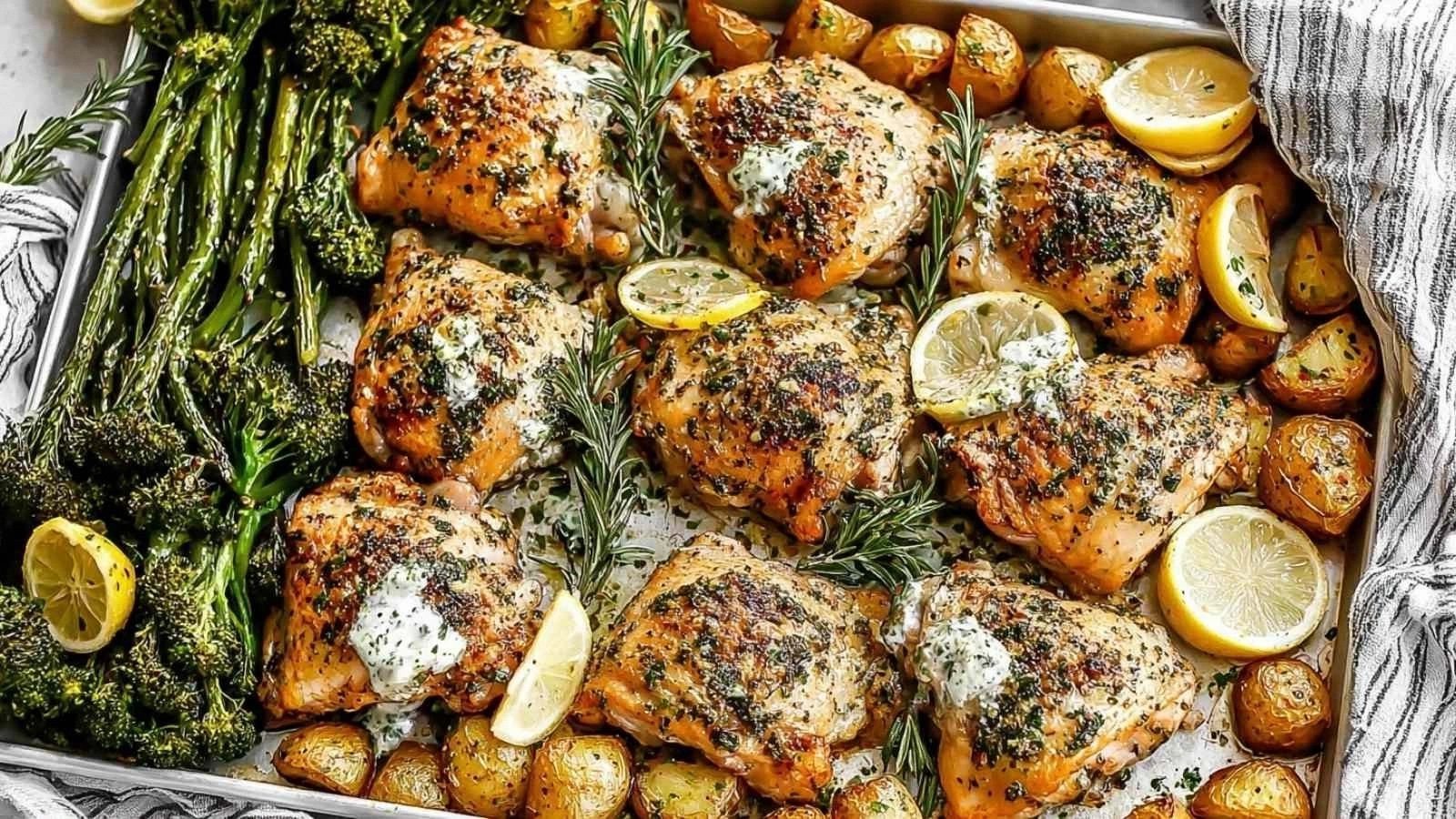
The Method — Step by Step
- Begin by patting the chicken breasts dry with paper towels. Moisture is the enemy of a good sear. Season both sides generously with salt and pepper. I find that a light dusting of salt right before cooking is crucial for flavor. Then set the chicken aside to rest while you prepare the sauce.
- Heat a large skillet over medium‑high heat and add the olive oil. Once the oil shimmers, add the minced garlic. Cook for 30 seconds, just until the garlic turns fragrant but not browned. The aroma should fill the kitchen like a citrus bouquet.
- Add the chicken breasts to the skillet. Let them sear untouched for 3–4 minutes on each side until a golden crust forms. Flip only once; this ensures a uniform caramelization. The edges should start pulling away from the pan, signaling that it’s time to flip.
- Reduce the heat to medium, pour in the fresh lemon juice, and sprinkle in the red pepper flakes. Let the mixture simmer for a minute, allowing the lemon to reduce slightly and the spices to bloom. The sauce should thicken into a glossy glaze.
- Tuck the thyme and parsley into the skillet, swirling them into the sauce. This releases their essential oils, enriching the flavor profile. The herbs should look bright and vibrant, adding a visual pop to the dish.
- Cover the skillet with a lid and let the chicken cook for an additional 5–6 minutes, or until the internal temperature reaches 165°F (74°C). The lid traps steam, helping the chicken stay moist while the sauce thickens. The smell of citrus and garlic should be intoxicating.
- Remove the lid and let the sauce reduce for another 2 minutes, stirring occasionally. This final reduction locks in flavor and gives the sauce a silky finish. If you prefer a thicker glaze, let it reduce until it coats the back of a spoon.
- Transfer the chicken to a platter and drizzle the remaining sauce over the top. Garnish with a sprinkle of fresh parsley for a pop of color. Let the dish rest for a minute before serving; this allows the juices to redistribute.
- Serve immediately with your choice of sides—roasted vegetables, quinoa, or a simple green salad work wonderfully. The bright, buttery sauce pairs beautifully with the earthy crunch of roasted root vegetables.
That's it — you did it. But hold on, I've got a few more tricks that'll take this to another level…
Insider Tricks for Flawless Results
The Temperature Rule Nobody Follows
Many cooks keep their stovetop at a constant medium heat, but the secret is to start high for searing and then drop to medium for the sauce reduction. This two‑step approach ensures a golden crust and a flavorful glaze. I’ve tried keeping it at low heat, and the chicken ended up steaming rather than searing, which ruined the texture.
Why Your Nose Knows Best
Trust your nose when you’re cooking. The moment the garlic starts to turn golden and the lemon starts to sizzle, you’re on the right track. If the aroma is too sharp, lower the heat. If it’s too mellow, increase the flame slightly. Your olfactory senses are the ultimate guide to flavor balance.
The 5‑Minute Rest That Changes Everything
After cooking, let the chicken rest for at least 5 minutes before slicing. This allows the juices to redistribute, ensuring each bite is juicy and tender. A common mistake is cutting straight away, which causes the juices to spill out and leaves the meat dry.
The Fresh Herb Swap
If you can’t find fresh thyme or parsley, use dried herbs sparingly. Dried herbs are concentrated; a teaspoon of dried thyme will replace a tablespoon of fresh. Be cautious not to overdo it, or the dish will taste medicinal.
The Quick Lemon Zest Trick
Grate the zest of one lemon before you juice it. The zest adds a subtle, aromatic layer that enhances the citrus profile. It’s a quick step that makes a big difference.
The Sauce Finish
Right before serving, add a knob of unsalted butter to the sauce and whisk until it’s glossy. The butter adds richness and a silky mouthfeel, turning the sauce into a luscious coating that clings to the chicken.
Creative Twists and Variations
This recipe is a playground. Here are some of my favorite ways to switch things up:
Citrus Explosion
Swap the lemon juice for a mix of fresh lime and orange juice. The combination adds a sweeter, tangier profile that pairs well with grilled vegetables.
Herb‑Infused Olive Oil
Infuse the olive oil with rosemary and garlic before searing the chicken. This gives the dish a deeper herbaceous flavor and a fragrant aroma.
Spicy Cajun Kick
Add a tablespoon of Cajun seasoning to the chicken before cooking. The spice blend brings a bold, smoky heat that contrasts nicely with the citrus.
Creamy Parmesan Finish
Finish the sauce with a splash of heavy cream and grated Parmesan. The creamy texture and nutty flavor create a rich, indulgent coating.
Asian‑Inspired Twist
Replace the lemon juice with rice vinegar and add a tablespoon of soy sauce. Garnish with sliced scallions and toasted sesame seeds for an umami‑rich version.
Mediterranean Medley
Add chopped Kalamata olives and sun‑dried tomatoes to the sauce. The briny olives and sweet tomatoes create a Mediterranean flavor profile that’s both complex and comforting.
Storing and Bringing It Back to Life
Fridge Storage
Store leftover chicken in an airtight container in the refrigerator for up to 3 days. The lemon‑garlic sauce will keep the meat moist, but it’s best served within 48 hours for optimal flavor.
Freezer Friendly
For longer storage, wrap each chicken breast individually in foil and place in a freezer bag. Freeze for up to 2 months. Thaw overnight in the refrigerator before reheating.
Best Reheating Method
Reheat in a skillet over medium heat, adding a splash of water or chicken broth to create steam. This prevents the chicken from drying out and restores the sauce’s silky texture. Alternatively, microwave on medium power for 1 minute, then finish on the stovetop.