Picture this: I was in a hurry, the clock was ticking, and I had to whip up a bagel for a last‑minute brunch. I grabbed the nearest bagel mix, tossed it into a pot, and boiled it like a campfire scone. The result? A soggy, rubbery mess that smelled like a failed experiment. That night, I swore I’d never again be satisfied with store‑bought or rushed bagels. I set out to create a New York style bagel that would make even the most seasoned baker swoon.
It started with a craving for the unmistakable crunch of a freshly boiled bagel, the way it cracks under a finger like a brittle shell, and the soft, chewy center that feels like a warm hug. The aroma of barley malt syrup rising from the pot was a siren call that made my kitchen feel like a bakery. The sound of the water boiling, the hiss of steam, the rhythmic clack of the dough being punched – all of it became a symphony that played in my head. I could taste the saltiness on my tongue and feel the dough’s elastic resistance against my fingertips. The texture was a promise of something extraordinary, and the anticipation of that first bite was electric.
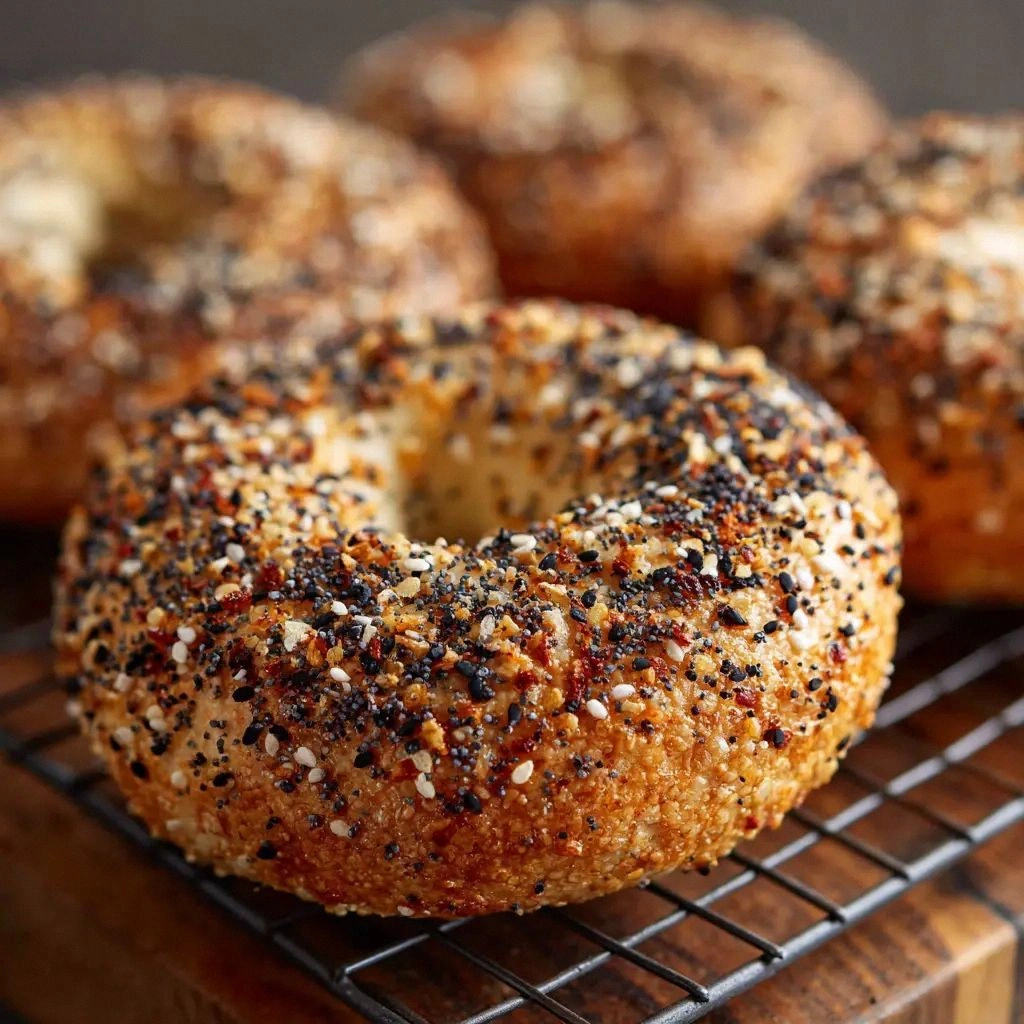
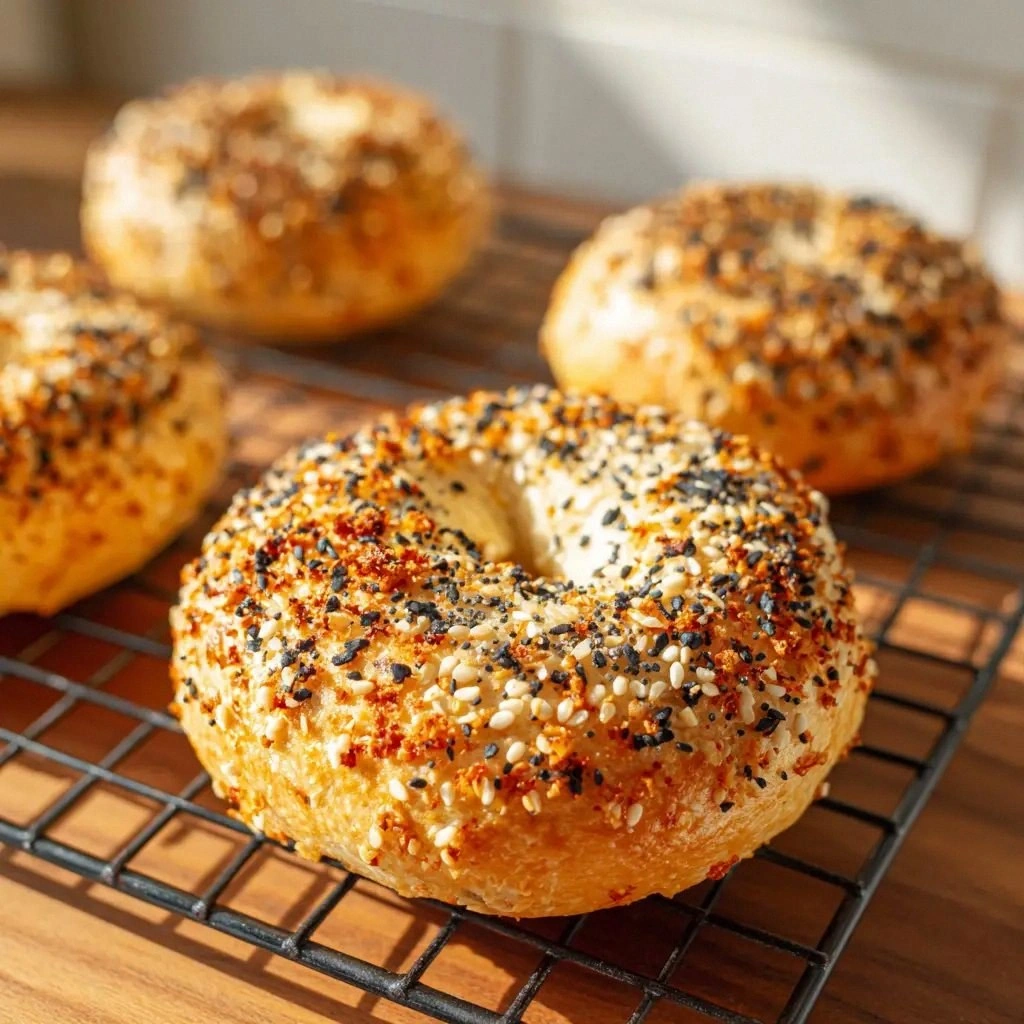
What sets this version apart is not just the ingredients but the method – a blend of old‑school technique and modern tweaks that bring out the best in every bite. The dough is kneaded until it gleams like a polished stone, then left to rest in a warm, draft‑free spot, allowing the yeast to work its magic. Boiling the bagels in a kettle of water with a splash of barley malt syrup gives them that glossy, caramelized crust that’s a hallmark of New York bagels. Finally, a brief bake in a preheated oven turns the boiled dough into a golden masterpiece with a crackling exterior that shatters like thin ice. The result is a bagel that feels like a hug, tastes like a celebration, and leaves you craving more.
And the secret? I’ll let you in on a trick that most bagel recipes ignore: a double boil. The first boil loosens the gluten, and the second, a quick splash of water, locks in that signature chew. It’s a small step that makes a huge difference. I dare you to taste this and not go back for seconds. Trust me, the first bite will have you hooked, and the second will make you wonder why you ever settled for anything else.
If you’ve ever struggled with bagels that come out dense or flat, you’re not alone. I’ve spent countless hours experimenting with flour ratios, proofing times, and boiling techniques. This recipe is hands down the best version you’ll ever make at home. Picture yourself pulling these from the oven, the whole kitchen smelling incredible, and the first bite delivering that perfect balance of crunch and chew. Let me walk you through every single step – by the end, you’ll wonder how you ever made it any other way.
Now, let’s dive into the details that make this bagel a masterpiece. From the exact flour blend that gives it structure to the subtle sweetness of barley malt syrup, every element is carefully chosen. I’ll reveal the micro‑challenges that will test your patience and reward you with a bagel that feels like a slice of New York street life. And yes, I’ll share the kitchen hacks that will save you time and frustration. Ready? Let’s get rolling.
What Makes This Version Stand Out
- Taste: The subtle sweetness of barley malt syrup balances the savory sea salt, creating a complex flavor profile that lingers on the palate. The addition of garlic and onion flakes adds depth, while sesame and poppy seeds provide a nutty crunch.
- Texture: The dough’s extended fermentation and double boiling yield a chewy interior that feels like a spring-loaded cushion. The crust develops a glossy sheen that shatters like thin ice when you bite into it.
- Simplicity: Despite its sophisticated flavor, the recipe requires only a handful of pantry staples. No fancy equipment is needed; a pot, a timer, and a reliable oven will do.
- Uniqueness: The combination of toasted white sesame and black sesame seeds gives the bagels a visual contrast that’s almost impossible to ignore. The poppy seeds add a subtle earthiness that sets this recipe apart.
- Crowd Reaction: Friends who taste these bagels often remark on their “restaurant‑quality” feel, and many ask for the recipe immediately. The bagels hold up well for parties, making them a go‑to option for gatherings.
- Ingredient Quality: Using high‑protein bread flour gives the dough the necessary structure, while the barley malt syrup brings a natural sweetness that’s healthier than refined sugar.
- Cooking Method: The double boil technique, combined with a short oven finish, locks in moisture while giving the bagels that signature crunch.
- Make‑Ahead Potential: Once boiled, the bagels can be frozen and reheated to perfection, making this recipe a fantastic make‑ahead option.
Alright, let's break down exactly what goes into this masterpiece...
Inside the Ingredient List
The Flour Foundation
4 cups bread flour is the backbone of any great bagel. Bread flour has a higher protein content than all‑purpose flour, which means more gluten development for that chewy interior. Skipping it or substituting all‑purpose flour will result in a denser, less satisfying bite. For best results, choose a flour labeled “high‑protein” or “bagel flour” if available. If you’re in a pinch, you can mix in a tablespoon of vital wheat gluten to boost the protein content.
The Liquid Balance
1.25 cups warm water is the key to activating yeast and creating the right dough consistency. Water that’s too hot will kill the yeast; too cold and it won’t activate. Aim for 110°F (43°C), which feels like a warm bath to the touch. If you’re using a thermometer, keep the water at that temperature; otherwise, test with your thumb – it should feel pleasantly warm, not scalding.
The Sweet and Salty Duo
1 tbsp barley malt syrup twice – once for the dough, once for the boiling water – infuses the bagels with a subtle sweetness that balances the sharpness of sea salt. Barley malt syrup is a natural sweetener that also adds a hint of maltiness, reminiscent of a freshly brewed coffee. If you can’t find barley malt syrup, a small amount of honey or maple syrup works, but the flavor profile will shift slightly.
The Flavor Enhancers
2 tsp fine sea salt gives the dough its savory depth, while 1.5 tsp coarse sea salt in the boiling water helps to set the crust and enhances the overall flavor. The combination of fine and coarse salt creates layers of taste that unfold with each bite. If you prefer a salt‑free version, reduce both amounts by half, but be prepared for a milder flavor.
1 tbsp dried minced garlic and 1 tbsp dried onion flakes add aromatic complexity. These ingredients are dry, so they blend seamlessly into the dough without adding extra moisture. They’re a staple in many bagel recipes and give that classic “bagel house” taste. If you’re sensitive to garlic, you can use garlic powder or omit it entirely.
The Seed Symphony
2 tbsp toasted white sesame seeds bring a nutty crunch and a subtle toasty flavor. Toasting the seeds before adding them to the dough caramelizes their oils, giving them a deeper taste. 1 tbsp black sesame seeds add a slightly bitter undertone and a striking visual contrast. 1 tbsp poppy seeds provide an earthy note that pairs beautifully with the other seeds. Together, they create a seed mosaic that elevates the bagel’s appearance and texture.
Everything's prepped? Good. Let's get into the real action...
The Method — Step by Step
- In a large mixing bowl, combine the bread flour, fine sea salt, and instant yeast. Stir until the ingredients are evenly distributed. The yeast will mingle with the flour, setting the stage for fermentation. This step is crucial; if the yeast is clumped, it won’t activate uniformly. The mixture should look dry and crumbly at first.
- Add the warm water and barley malt syrup to the dry mixture. Use a wooden spoon or your hands to mix until a shaggy dough forms. The dough should be tacky but not overly sticky. At this point, you can feel the dough’s elasticity begin to surface. This is the moment where the dough starts to come alive.
- Turn the dough onto a lightly floured surface and knead for about 8–10 minutes. The goal is to develop gluten until the dough is smooth and elastic. You’ll notice the dough spring back when you press it with a finger. If it’s still too sticky, sprinkle a pinch of flour, but be careful not to add too much.
- Place the dough in a lightly oiled bowl, cover it with a damp cloth, and let it rise in a warm spot for 1 hour. The dough should double in size. During this time, the yeast ferments sugars, producing carbon dioxide that creates the bagel’s airy interior. If the kitchen is drafty, a small oven with the light on can provide a steady heat source.
- After the first rise, punch down the dough to release excess gas. Divide it into eight equal portions. Roll each portion into a tight ball, then use your thumb to poke a hole through the center. The hole should be about the size of a pencil. This step creates the signature bagel shape.
- Bring a large pot of water to a gentle boil. Add the second tablespoon of barley malt syrup and the coarse sea salt. The syrup caramelizes slightly, giving the water a golden hue. The salt ensures the bagels develop a firm crust. Once the water is boiling, reduce the heat to a steady simmer.
- Place the bagel balls into the simmering water in batches of two or three. Allow them to boil for 1–1.5 minutes on each side. The bagels will rise to the surface and then sink back down. This double boil locks in moisture and creates the characteristic chewy texture. Watch the bagels closely; if they stay on the surface too long, they’ll become overly soft.
- After boiling, remove the bagels with a slotted spoon and let them drain on a wire rack. Sprinkle the toasted sesame, black sesame, and poppy seeds over the tops while they’re still warm. The seeds will adhere nicely and add a burst of flavor with each bite.
- Preheat your oven to 425°F (220°C). Place the bagels on a parchment‑lined baking sheet and bake for 12–15 minutes, or until the tops are golden brown. The bagels should emit a nutty aroma that signals they’re ready. Once baked, allow them to cool on a rack for at least 10 minutes before slicing.
That's it — you did it. But hold on, I've got a few more tricks that'll take this to another level...
Insider Tricks for Flawless Results
The Temperature Rule Nobody Follows
Temperature is the secret sauce. Many bakers think room temperature is fine, but the dough thrives at 80–85°F (27–29°C). Use a thermometer to check the dough’s temperature after the first rise. If it’s too cool, place it in a warm oven with the light on for 10 minutes. This small adjustment can make the difference between a dense bagel and a light, airy one.
Why Your Nose Knows Best
Smell is a reliable indicator. When the dough is ready, it will emit a sweet, yeasty aroma. If the smell is sour or off, the yeast may have over‑fermented. Trust your nose; if it’s not right, let the dough rest a bit longer. A well‑fermented dough will have a pleasant, almost floral scent.
The 5‑Minute Rest That Changes Everything
After boiling, let the bagels rest. A 5‑minute rest before baking allows the crust to firm up and prevents the bagels from collapsing. During this brief pause, the bagels absorb any excess moisture, resulting in a crisp exterior. Skipping this step often leads to soggy bagels that look like a wet sponge.
Use a Baking Stone for Even Heat
A baking stone is a game‑changer. Place a baking stone or a heavy baking sheet on the middle rack while the oven preheats. This ensures even heat distribution, giving the bagels a uniform golden crust. If you don’t have a stone, a preheated pizza stone works perfectly.
Keep a Steamer Ready
Steam locks in moisture. If you’re baking in a conventional oven, place a shallow pan of water on the bottom rack. The steam will keep the bagels from drying out during the bake, resulting in a softer interior. This trick is especially useful in dry climates.
Don't Skimp on the Seeds
Seeds add flavor and crunch. A common mistake is to sprinkle seeds after baking, which can cause them to burn or lose their crunch. Adding them before baking ensures they’re toasted to perfection. If you’re a seed‑lover, double the amount for an extra crunch.
Creative Twists and Variations
This recipe is a playground. Here are some of my favorite ways to switch things up:
Chocolate Chip Bagels
Add 1/2 cup chocolate chips to the dough after the first rise. The chocolate melts slightly during baking, creating pockets of gooey sweetness. These are perfect for a brunch with kids or a sweet snack.
Whole Wheat Delight
Replace half the bread flour with whole wheat flour. The result is a nutty flavor and added fiber. The dough will be a bit denser, so adjust the proofing time by a few minutes to compensate.
Cheesy Bagels
Sprinkle shredded cheddar or mozzarella on top of the seeds before baking. The cheese melts into a gooey crust, adding a savory layer that pairs wonderfully with smoked salmon or cream cheese.
Herb‑Infused Bagels
Fold in 1 tablespoon of dried rosemary or thyme. The herbs infuse the dough with a fragrant aroma that elevates the entire experience. This version works well for a Mediterranean‑themed brunch.
Spicy Jalapeño Bagels
Add 1 teaspoon of dried minced jalapeño or a pinch of cayenne pepper. The heat will linger in the center, creating a spicy kick that’s balanced by the sweet malt syrup.
Blueberry Bagels
Fold in 1 cup of fresh or frozen blueberries. The berries burst with juice during baking, giving the bagels a burst of natural sweetness. Keep in mind that the dough may be slightly sticky; use a light dusting of flour.
Storing and Bringing It Back to Life
Fridge Storage
Store bagels in a plastic bag. Keep them in the refrigerator for up to 5 days. The bagels will stay soft but may lose some of their chew. If you want to revive them, simply warm them in a toaster or oven for a few minutes.
Freezer Friendly
Wrap each bagel individually in plastic wrap, then place them in a freezer bag. They’ll keep for up to 2 months. When you’re ready to eat, thaw at room temperature for 30 minutes, then warm as desired. Freezing preserves the flavor and texture remarkably well.
Best Reheating Method
Reheat with a splash of water. Before placing the bagel in the oven, mist it lightly with water. The steam helps restore moisture, making the bagel feel fresh again. Bake at 350°F (175°C) for 8–10 minutes, or until warm.