I remember the night I almost burned the kitchen down while trying to rescue a cake from the oven. The smell of burnt sugar and vanilla hit me like a punch, and my friends laughed until they cried. That disaster was the spark that ignited my obsession with Brazo Gitano, the Spanish rolled cake that whispers romance in every bite. I was determined to turn that flop into a masterpiece that would make my taste buds sing, and I’m here to share every secret.
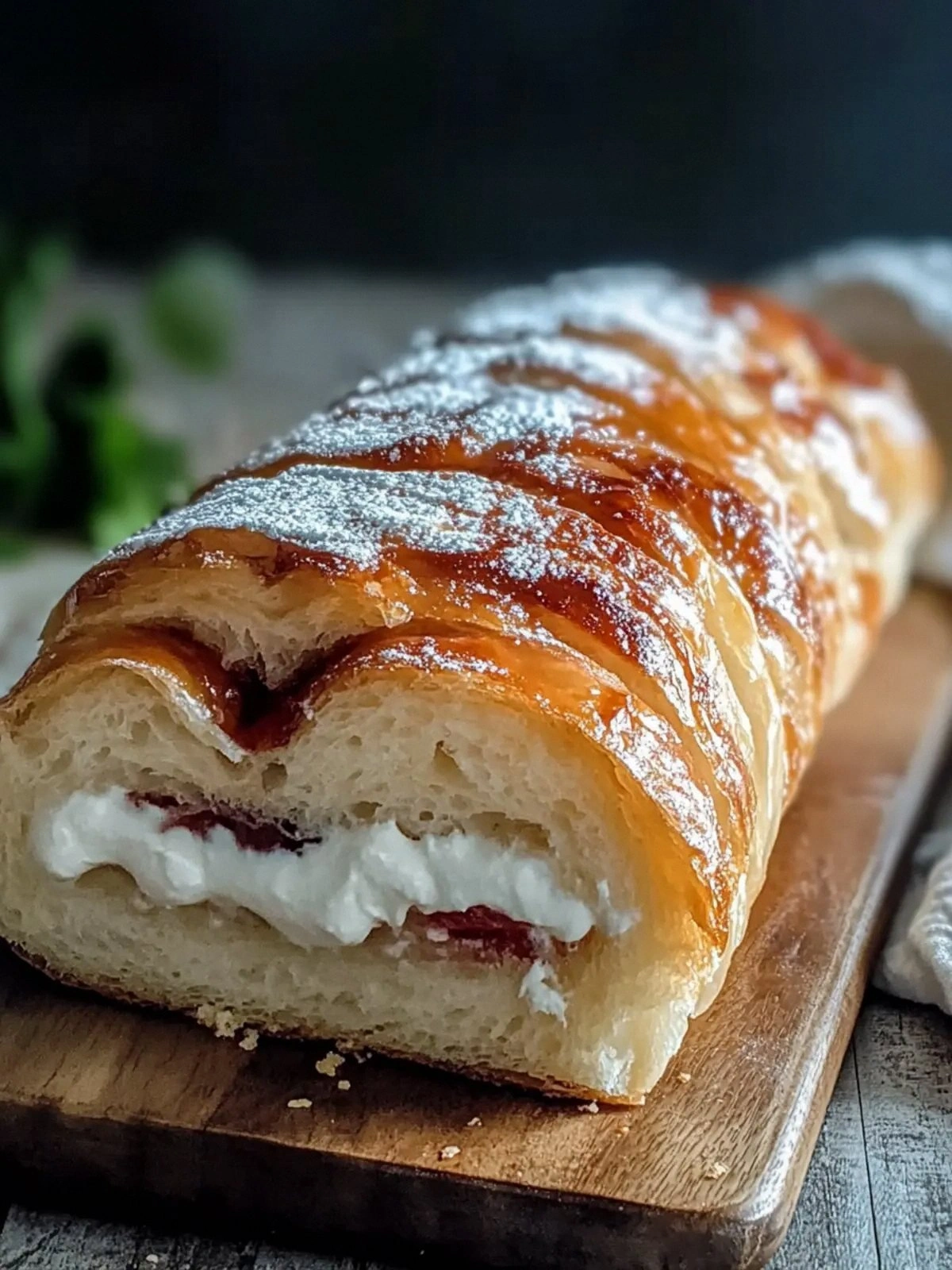
Picture this: a golden, airy sponge that slides out of the pan with the grace of a dancer, a glossy guava glaze that glistens like tropical sunrise, and a light, airy meringue that feels like a cloud on your tongue. The air is thick with the scent of caramelized sugar and ripe guava, while the sound of the cake cooling is a gentle hum. When you take your first bite, the texture explodes—soft inside, crisp outside, with a sweet, slightly tart finish that lingers like a summer breeze.
What makes this version stand out is that it’s not just a recipe; it’s a rebellion against blandness. I dared to blend the traditional Spanish technique with a tropical twist, using guava paste instead of the usual jam, and I added a whisper of vanilla to elevate the flavor. I’m not talking about a cake that just looks pretty; this is a cake that tells a story, that invites you to taste the sunrise and the moon in one bite. I dare you to taste this and not go back for seconds.
By the end of this post, you’ll be holding a secret that will make your friends question why they ever settled for ordinary desserts. Let me walk you through every single step—by the end, you’ll wonder how you ever made it any other way.
What Makes This Version Stand Out
Flavor: The guava glaze gives a tropical punch that’s both sweet and slightly tart, a contrast that traditional Brazo Gitano never achieves. The vanilla extract subtly lifts the overall profile, making every bite feel fresh.
Texture: The sponge is airy yet sturdy, thanks to the combination of whole eggs and egg whites folded in precisely. The meringue topping is crisp on the outside, buttery inside, and it seals in moisture like a protective shell.
Visual Appeal: The glossy glaze reflects light, turning the cake into a centerpiece that dazzles. The contrast of the white meringue against the golden sponge and bright guava glaze creates a feast for the eyes.
Ease: All steps are straightforward, with clear timing cues. Even if you’re a beginner, you’ll find the process intuitive and forgiving.
Make‑Ahead: You can bake the cake a day ahead, store it properly, and it still tastes fresh. The glaze can be applied a few hours before serving, letting the flavors meld.
Audience: This cake is a crowd‑pleaser at parties, a showstopper at celebrations, and a comforting treat for quiet evenings. It’s the kind of dessert that makes people say, “I’ve never tasted anything like this.”
Alright, let’s break down exactly what goes into this masterpiece…
Inside the Ingredient List
The Flavor Base
Eggs are the backbone of the sponge, providing structure and lift. Whole eggs give richness, while the separate egg whites create a light, airy texture when folded in. If you skip the eggs, the cake will collapse and lose its signature softness.
Granulated sugar is the sweetener that caramelizes during baking, giving the sponge a subtle golden crust. It also helps dissolve the eggs, creating a smooth batter. A lower sugar amount will result in a denser cake, while too much can make it overly sweet.
Vanilla extract is a flavor enhancer that brings warmth and depth. It balances the bright guava and prevents the glaze from tasting too sweet. If you’re vegan, a splash of almond or coconut extract can work as a substitute.
The Texture Crew
All-purpose flour is the structural binder. It absorbs liquid, creates gluten strands, and gives the cake its body. Use a fine-mesh sieve to sift the flour, removing lumps that could cause uneven baking.
Salt is the unsung hero that amplifies flavors and balances sweetness. Even a half teaspoon can make a noticeable difference. If you’re on a low-sodium diet, you can reduce it slightly, but be prepared for a slightly flatter flavor profile.
Cream of tartar stabilizes the egg whites, ensuring they hold their peaks during folding. Without it, the meringue might collapse, leaving a soggy top. A pinch is enough—don’t overdo it or the meringue will taste slightly acidic.
The Unexpected Star
Guava paste is the star that turns this cake into a tropical dream. It’s naturally sweet, slightly tart, and has a thick, jammy consistency that melts into a glaze. The paste’s high sugar content means it caramelizes beautifully, giving that glossy finish.
If you can’t find guava paste, use a mixture of mango or papaya jam as a substitute, though the flavor profile will shift slightly. The key is to use a jam with a thick consistency to achieve the same glaze effect.
The Final Flourish
Water is added to dissolve the guava paste and create a smooth glaze. It also helps the glaze set without becoming too runny. If you prefer a thicker glaze, reduce the water by a teaspoon.
The final sugar added to the meringue gives the top a crisp, sweet crunch. It also helps the meringue set firmly. Too much sugar can make it overly hard; too little will keep it soft.
Everything's prepped? Good. Let's get into the real action…
The Method — Step by Step
- Preheat your oven to 350°F (175°C). Line a 9x5 inch loaf pan with parchment paper, leaving an inch of overhang on each side. Grease the paper lightly with butter or nonstick spray. This ensures a smooth release and a clean slice when you pull it out.
- In a large bowl, whisk together the whole eggs, granulated sugar, and vanilla until the mixture is pale, thick, and the sugar is mostly dissolved. This step is crucial for aeration. The batter should look glossy and hold a slight sheen. If it looks cloudy, give it another whisk.
- Sift the flour and salt into the egg mixture. Fold gently with a spatula until just combined. Overmixing will develop gluten, making the cake tough. The batter should be smooth, with no dry spots. This is the moment of truth.
- Beat the egg whites with cream of tartar until soft peaks form. Gradually add the 3/4 cup sugar, one tablespoon at a time, and continue beating until glossy, stiff peaks form. The meringue should hold its shape when you lift the beaters. This will become the cake’s crown.
- Fold the meringue into the batter in three stages: first add a quarter of the meringue, gently fold; then add the second quarter; finally, fold in the remaining meringue until fully incorporated. The batter should look light and airy, with a few visible swirls of white.
- Pour the batter into the prepared pan, smoothing the top with a spatula. Tap the pan lightly on the counter to release any air pockets. The edges should be level with the pan walls. This step prevents uneven rise.
- Bake for 30 minutes, or until the top is golden and a toothpick inserted in the center comes out clean. While baking, the cake will rise, then settle slightly as it cools. The aroma of caramelized sugar will fill the kitchen—absolute perfection.
- While the cake is still warm, spread the guava glaze evenly over the top. The glaze will set quickly, forming a glossy sheen. Let the cake cool completely on a wire rack before slicing. This will prevent the glaze from sliding off.
- Once cooled, place the cake in the fridge for at least 2 hours before serving. This allows the flavors to meld and the glaze to firm up. When you slice, the edges will pull away cleanly, revealing the airy interior.
That’s it — you did it. But hold on, I've got a few more tricks that'll take this to another level.
Insider Tricks for Flawless Results
The Temperature Rule Nobody Follows
Baking at exactly 350°F is not a suggestion; it’s a rule. Too hot, and the cake will brown on top while staying raw inside. Too cold, and it won’t rise properly. Use a calibrated oven thermometer to keep the temperature steady.
Why Your Nose Knows Best
The aroma of caramelized sugar is a cue that the cake is done. If you smell a faint nutty scent, the cake is ready. Relying on a toothpick can be deceptive if the batter is moist; the smell is more reliable.
The 5-Minute Rest That Changes Everything
After removing the cake from the oven, let it rest for 5 minutes before transferring it to a rack. This pause allows the structure to set, preventing the cake from collapsing when it cools.
The Secret to a Perfect Meringue
Whisk the egg whites in a chilled bowl and use a chilled whisk or beaters. Cold proteins whip faster and hold peaks better, giving you a glossy, firm topping.
The Final Glaze Trick
Heat the guava paste with water over low heat until it’s liquid but not boiling. This ensures it spreads smoothly without leaving lumps. If it’s too thick, add a teaspoon of water; if too thin, let it simmer longer.
The Quick Cooling Method
Place the cake on a wire rack set over a baking sheet. This prevents condensation from dripping onto the glaze, which would make it watery. The airflow keeps the glaze crisp.
Creative Twists and Variations
This recipe is a playground. Here are some of my favorite ways to switch things up:
Coconut Brazo
Add 1/2 cup shredded coconut to the batter for a tropical crunch. The coconut pairs beautifully with the guava glaze, creating a beach‑day dessert.
Chocolate‑Covered Guava
Dip the cooled cake in melted dark chocolate before glazing. The bittersweet chocolate balances the sweet guava, making it a sophisticated treat.
Spiced Cinnamon Twist
Add 1 teaspoon ground cinnamon to the batter. The warm spice enhances the guava’s natural sweetness and adds depth.
Almond Flour Swap
Replace all-purpose flour with almond flour for a nutty flavor and a gluten‑free version. The texture will be slightly denser but still delicious.
Lemon‑Infused Guava
Add a teaspoon of lemon zest to the glaze. The citrus brightens the glaze and provides a refreshing contrast to the sweet sponge.
Berry Layer
Layer a thin spread of fresh strawberries between the sponge and glaze. The berries add a juicy burst and a pop of color.
Storing and Bringing It Back to Life
Fridge Storage
Wrap the cooled cake in plastic wrap and store in the fridge for up to 3 days. The glaze will remain firm, and the sponge will stay moist. Avoid stacking heavy items on top.
Freezer Friendly
For longer storage, wrap the cake tightly in aluminum foil and place it in a freezer bag. Freeze for up to 2 months. Thaw overnight in the fridge before serving.
Best Reheating Method
To revive the cake, preheat the oven to 300°F and bake for 10 minutes. If the glaze has hardened, brush a light layer of warm water before reheating. The cake will regain its soft, airy interior.
Add a tiny splash of water before reheating—it steams back to perfection.