I was standing in my kitchen on a rainy Saturday morning, staring at a bowl of soggy, flat pancakes that had come out of a “quick” recipe I’d found online. The batter looked promising, but the result was a sad, rubbery disc that could barely hold a drizzle of maple syrup without collapsing. I swear I heard the pancakes sigh in disappointment as I flipped them. That moment sparked a dare: “I challenge anyone to make a pancake that’s actually fluffy, buttery, and bursting with blueberries without turning the kitchen into a disaster zone.” I grabbed a fresh pint of blueberries, a bag of all‑purpose flour, and set out to prove that breakfast can be an adventure, not a compromise.
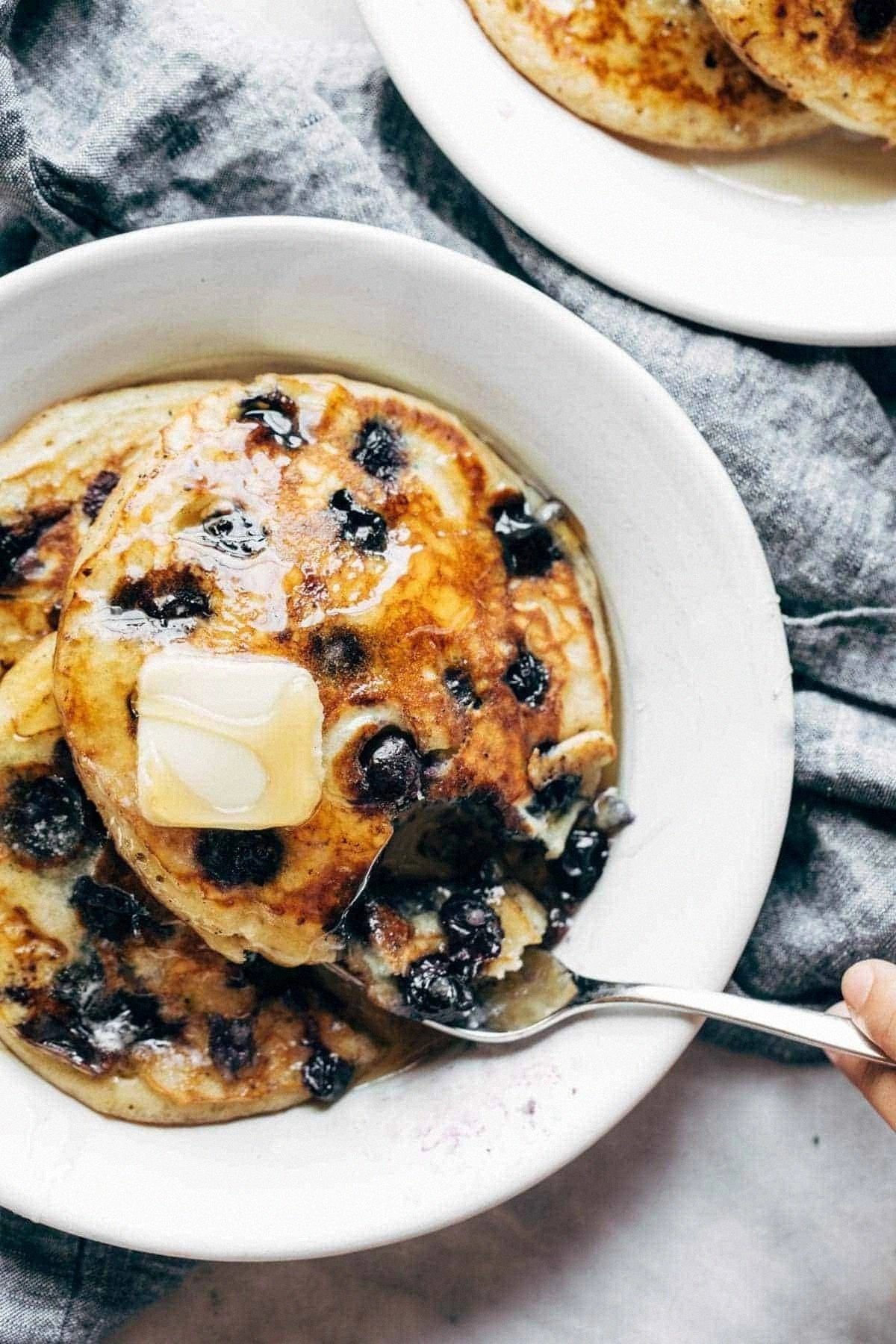
Picture yourself waking up to the smell of something sweet and buttery wafting through the house, the kind of aroma that makes you want to crawl out of bed and sprint to the stove. The first bite should feel like a cloud that’s been kissed by sunshine—soft, airy, and just the right amount of tender crumb that folds around the burst of juicy blueberries. When you bite into it, you hear that gentle crackle of the outer edge, a subtle snap that gives way to a melt‑in‑your‑mouth interior. The blueberries themselves explode with a pop of tartness that balances the sweet batter, leaving a lingering flavor that makes you sigh with every chew.
Most pancake recipes get this completely wrong. They either overmix, leading to tough, dense pancakes, or they skimp on leavening, leaving you with a pancake that’s as flat as a pancake‑shaped pancake. This version flips the script by using a buttermilk‑based batter, a gentle fold‑in technique, and a secret rest period that lets the gluten relax and the batter thicken just enough for maximum lift. I’m being bold when I say this is hands down the best version you’ll ever make at home—no restaurant tricks, just kitchen science and a little bit of love.
I’ll be honest — I ate half the batch before anyone else got to try it, and I’m still not over the fact that the first stack was so perfect it could have won a culinary competition. The secret weapon? A splash of vanilla and a tiny dash of baking soda that reacts with the acidity of the buttermilk, creating tiny air pockets that make each pancake unbelievably light. Let me walk you through every single step — by the end, you’ll wonder how you ever settled for anything less than this fluffy masterpiece.
What Makes This Version Stand Out
- Flavor Explosion: The combination of sweet vanilla, tangy buttermilk, and fresh blueberries creates a symphony of taste that dances on your palate. Each bite delivers a balanced sweet‑tart experience that feels like a dessert for breakfast.
- Feather‑Light Texture: Thanks to the double‑acting leaveners and a short rest, the pancakes rise beautifully, leaving a tender crumb that’s airy without being airy‑airy, like a cloud you can actually bite into.
- Simplicity Meets Sophistication: Only pantry staples plus fresh berries are needed, yet the technique elevates a humble breakfast into something restaurant‑worthy without any fancy equipment.
- Ingredient Quality: Using real butter, true buttermilk, and fresh blueberries makes a world of difference compared to frozen or powdered alternatives. The natural fats coat each crumb, ensuring a rich mouthfeel.
- Crowd‑Pleaser Factor: Even the most skeptical eaters have been known to ask for seconds, and I dare you to taste this and not go back for more. It’s the kind of pancake that turns brunch into a celebration.
- Make‑Ahead Potential: The batter can sit for up to 30 minutes, allowing you to prep ahead for a busy morning. That rest period is the game‑changer that creates the ultimate fluffiness.
- Versatile Base: Once you master this batter, you can swap blueberries for chocolate chips, bananas, or even a savory herb blend, making it a versatile canvas for endless creativity.
Inside the Ingredient List
The Flavor Base
All‑purpose flour is the backbone of any pancake, providing structure while still allowing the batter to stay tender. I recommend sifting the flour to aerate it, which prevents clumps and contributes to a lighter crumb. If you substitute cake flour, the pancakes become even softer, but you’ll lose a touch of the classic bite. Choose a high‑quality flour for the best flavor absorption.
The Texture Crew
Buttermilk is the unsung hero here. Its acidity reacts with baking soda, creating carbon dioxide bubbles that lift the batter. If you don’t have buttermilk, you can make a quick substitute by adding one tablespoon of lemon juice or white vinegar to a cup of milk and letting it sit for five minutes. The result is almost identical, but the authentic tang of real buttermilk is unbeatable.
The Unexpected Star
Fresh blueberries add bursts of juiciness that contrast the sweet batter. Their natural pectin also helps keep the pancakes moist. If you’re using frozen berries, toss them in a little flour before folding them in; this prevents them from sinking to the bottom of the pan. Remember, the berries should be added gently—overmixing will crush them and turn your batter blue.
The Final Flourish
Melted butter adds richness and a subtle nutty flavor that coats every crumb. I prefer using clarified butter for a higher smoke point, especially if you like a crisp edge. A splash of pure vanilla extract rounds out the flavor profile, giving the pancakes a warm, comforting aroma that makes the whole kitchen feel like a bakery. Salt, though often overlooked, accentuates the sweetness and balances the overall taste.
Everything's prepped? Good. Let's get into the real action…
The Method — Step by Step
In a large mixing bowl, whisk together the flour, sugar, baking powder, baking soda, and salt. The dry mix should look like fine sand—no clumps, just a uniform powder. This is the foundation; any lumps will become unwelcome pockets in the final pancake.
Kitchen Hack: Sift the dry ingredients twice for an ultra‑light batter that rises like a souffle.In a separate bowl, combine the buttermilk, eggs, melted butter, and vanilla. Whisk until the mixture is smooth and slightly frothy; the eggs should incorporate fully, creating a glossy liquid that looks like liquid gold.
Create a well in the center of the dry ingredients and pour the wet mixture in. Using a rubber spatula, fold gently—just a few strokes—until the flour is barely incorporated. A few small lumps are okay; overmixing develops gluten, which will make the pancakes tough.
Watch Out: If you see a completely smooth batter, you’ve overmixed—stop now and add a pinch more flour to absorb excess moisture.Gently fold in the fresh blueberries, sprinkling them over the batter and turning the spoon just enough to coat each berry. The batter should turn a soft, speckled blue without turning purple, which indicates the berries have been crushed.
Cover the bowl with plastic wrap and let it rest at room temperature for 20‑30 minutes. During this time, the flour hydrates, the leaveners activate, and the batter thickens to a pourable but not runny consistency—think thick cake batter.
Heat a non‑stick skillet or griddle over medium‑low heat. Lightly brush the surface with melted butter or a drizzle of oil; you want a thin film that sizzles when the batter hits.
When the pan is hot (a drop of batter should sizzle and form tiny bubbles within seconds), ladle about ¼ cup of batter for each pancake. Let the batter spread naturally; resist the urge to spread it with a spatula. The edges will start to set and the surface will develop tiny bubbles—this is your cue.
Kitchen Hack: Flip the pancake when the edges turn a golden‑brown and the surface bubbles pop, usually after 2‑3 minutes.Using a thin metal spatula, flip the pancake confidently and cook the other side for another 1‑2 minutes, until the underside is a deep amber and the pancake feels springy to the touch. The blueberries should be slightly caramelized, giving a sweet‑tart burst with each bite.
Transfer the finished pancakes to a warm plate, keeping them loosely covered with foil to retain heat. Serve immediately with a pat of butter, a drizzle of pure maple syrup, or a dollop of Greek yogurt for a tangy contrast. That sizzle when it hits the pan? Absolute perfection.
That's it — you did it. But hold on, I've got a few more tricks that'll take this to another level, ensuring every bite feels like a celebration of flavor, texture, and pure pancake joy.
Insider Tricks for Flawless Results
The Temperature Rule Nobody Follows
Most home cooks set the stove to medium heat and assume that's perfect. In reality, the sweet spot for fluffy pancakes is medium‑low, around 325°F (163°C). This lower temperature gives the interior time to rise fully before the outside crisps too quickly. If you notice the edges browning before the center sets, drop the heat a notch and give the batter a few extra seconds.
Why Your Nose Knows Best
Your sense of smell is a reliable indicator of doneness. When the batter hits the pan, you’ll hear a gentle sizzle and soon detect a buttery, nutty aroma. As the pancakes cook, the scent will shift to a caramelized note. If you can smell the sweet, toasted fragrance, the pancake is ready to flip. Trust that nose—it’s smarter than any timer.
The 5‑Minute Rest That Changes Everything
Letting the batter rest isn’t just a suggestion; it’s a science. The gluten relaxes, the starches gelatinize, and the leaveners fully activate, creating microscopic air pockets. Skipping this step yields dense pancakes that feel more like a cake than a pancake. Set a timer, sip coffee, and come back ready to pour a batter that’s primed for lift.
Butter vs. Oil: The Edge Decision
Butter adds flavor, while oil raises the smoke point. I recommend using a blend: a tablespoon of clarified butter for flavor, plus a drizzle of high‑heat oil (like avocado oil) to prevent burning. This combo gives you that golden crust without the burnt butter taste that can happen if you use only butter.
Gentle Folding, Not Whisking
When you incorporate the dry and wet ingredients, think of it as a gentle embrace, not a vigorous workout. Over‑mixing creates gluten strands that trap steam and make the pancake rubbery. A few turns of the spatula, and you’ll see the batter still a bit lumpy—that’s exactly what you want.
Creative Twists and Variations
This recipe is a playground. Here are some of my favorite ways to switch things up:
Chocolate Chip Dream
Swap half the blueberries for semi‑sweet chocolate chips. The melted chocolate pockets add a decadent surprise that pairs beautifully with a drizzle of caramel sauce.
Citrus Burst
Add a tablespoon of lemon zest and replace half the blueberries with fresh raspberries. The citrus zing lifts the flavor, making the pancakes feel bright and refreshing—perfect for spring brunches.
Nutty Banana Bliss
Fold in sliced ripe bananas and a handful of toasted walnuts. The banana’s natural sweetness reduces the need for extra sugar, while the walnuts add a crunchy contrast.
Savory Herb Pancake
Omit the blueberries, add chopped chives, grated Parmesan, and a pinch of black pepper. Serve with smoked salmon for a sophisticated brunch twist.
Pumpkin Spice Autumn
Replace ¼ cup of flour with pumpkin puree and add a teaspoon of pumpkin spice. Top with toasted pepitas and a drizzle of maple for a cozy, seasonal treat.
Storing and Bringing It Back to Life
Fridge Storage
Place cooled pancakes in an airtight container lined with parchment paper between layers. They’ll stay fresh for up to three days. Reheat gently in a skillet over low heat, adding a tiny splash of water to the pan and covering for a few seconds to steam them back to fluffiness.
Freezer Friendly
Stack pancakes between sheets of wax paper, then seal in a heavy‑duty freezer bag. They freeze beautifully for up to two months. When you’re ready, pop them straight into the toaster or microwave; a quick 30‑second burst restores their soft interior.
Best Reheating Method
For the ultimate reheated pancake, use a hot, dry skillet. Add a few drops of water to the pan, cover with a lid, and let steam for 30 seconds. This method revives the outer crisp while keeping the interior pillowy, mimicking that just‑made sensation.