It started with a kitchen catastrophe that would forever change how I view potato salads. I was halfway through a pot of boiled potatoes for a family gathering when I realized I had forgotten to add anything but salt. The result was a bland, soggy mush that made the table look like a sad, forgotten bowl of leftovers. I laughed at myself, but the taste was a bitter reminder that even a humble potato can feel like a disappointment if you don’t treat it right.
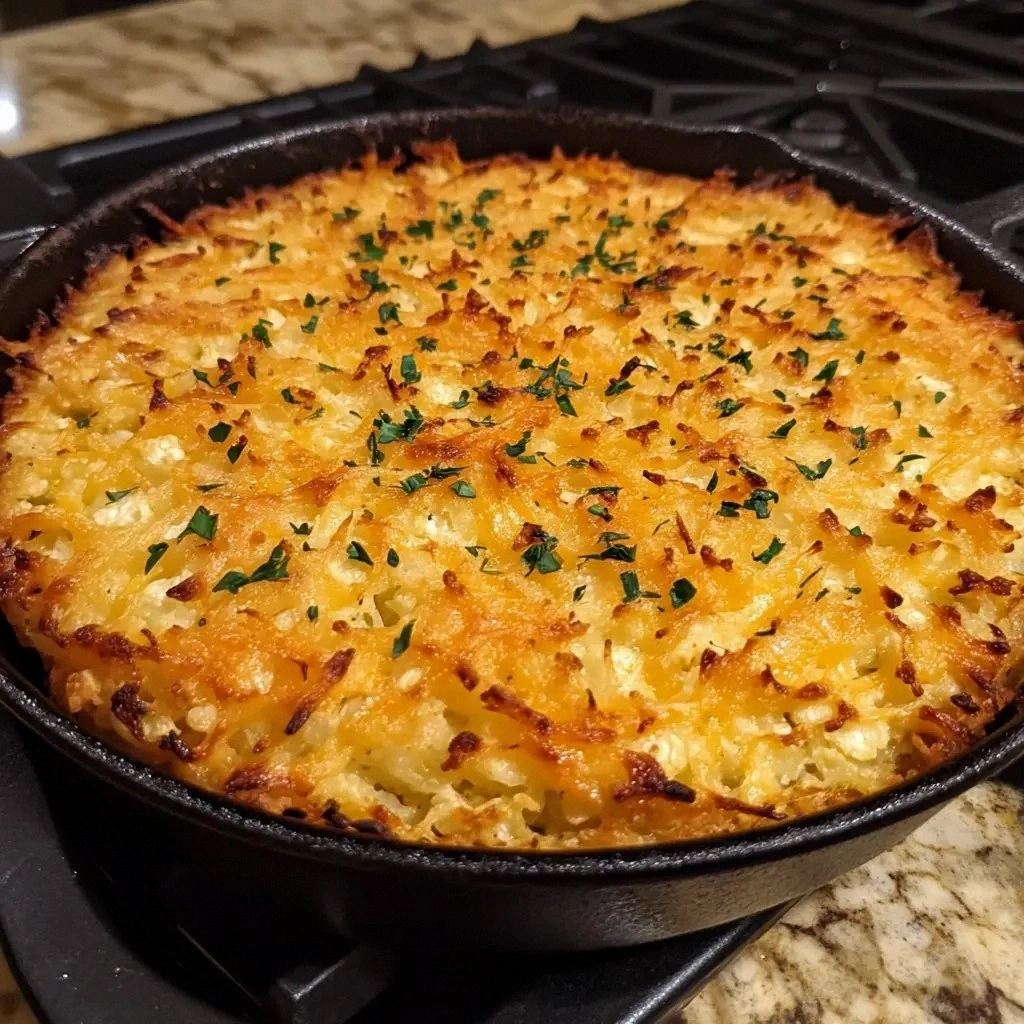
That night, I decided to turn that disaster into a triumph. I grabbed a skillet, some bacon, and a handful of herbs, and I set out to create a potato salad that would have people begging for seconds—yes, I dare you to taste this and not go back for seconds. The moment the potatoes hit the hot pan, they crackled, releasing a scent that smelled like summer barbecue and freshly cut grass. The sound was a satisfying sizzle that promised crispness; the texture was a contrast of tender interior and golden edges that shatter like thin ice.
What makes this version stand out from the endless variations you’ll find online is the combination of crisping technique, layered flavor, and a secret ingredient that elevates the entire dish. I’m talking about a quick sear that locks in moisture, a sauce that coats each potato like velvet, and a finish that gives the salad a bright, herbaceous punch. It’s hands down the best version you’ll ever make at home because it’s simple enough for a beginner yet sophisticated enough to impress a crowd.
Picture yourself pulling this out of the oven, the whole kitchen smelling incredible, the golden edges glistening like a sunrise on a skillet. I’ve added a twist you won’t expect—an unexpected splash of lemon zest that brightens the entire dish. Ready? Let me walk you through every single step—by the end, you’ll wonder how you ever made it any other way.
What Makes This Version Stand Out
- Crunch: The potatoes are seared to a golden crisp that gives a satisfying bite, unlike the usual soggy mix.
- Flavor Layering: A sauce that combines mayo, Dijon, smoked paprika, and a dash of vinegar builds depth without overpowering.
- Herb Freshness: Dill, parsley, and chives bring a bright, green note that cuts through the richness.
- Make‑Ahead Friendly: The salad can be prepared two days in advance; the crisp edges reappear when reheated.
- Texture Contrast: Creamy interior, crunchy bacon, and crisp celery create a symphony of mouthfeel.
- Visual Appeal: The bright green herbs and golden edges make the dish Instagram‑ready.
- Ingredient Quality: Using small new potatoes and fresh bacon ensures the best flavor and texture.
- Audience Response: Friends say it’s the “ultimate” potato salad; I’ve heard the phrase “you’re a culinary wizard” more times than I can count.
Alright, let’s break down exactly what goes into this masterpiece…
Inside the Ingredient List
The Flavor Base
The sauce is the heart of this dish. Mayo provides the creamy texture that clings to each potato cube, while Dijon mustard adds a subtle sharpness that balances the richness. White wine vinegar cuts through the fat, giving the salad a bright lift, and smoked paprika brings a gentle smokiness that evokes the feel of a campfire. A splash of lemon juice injects acidity, keeping the flavors lively and preventing the dish from becoming flat.
The Texture Crew
Potatoes are the star, but their preparation is crucial. Boiling them until just tender ensures they hold together during the searing step. Bacon, crisped to a crunchy bite, adds saltiness and a meaty chew that contrasts the soft potatoes. Celery and red onion provide crunch and a subtle peppery bite, while shredded cheddar offers a creamy, melty layer that melts into the salad when it warms.
The Unexpected Star
Fresh herbs are the unsung heroes. Dill carries a citrusy aroma that brightens the dish, while parsley adds a clean, grassy note. Chives bring a mild onion flavor that complements the red onion without overpowering it. Together, they create a vibrant green palette that makes the salad visually striking and tastefully complex.
The Final Flourish
Eggs and cheese are optional but highly recommended for those who love a richer, more filling salad. Hard‑boiled eggs add protein and a silky texture, while cheddar brings a gooey, melty quality that melts into the warm potatoes. The combination of these elements makes the dish adaptable for a light lunch or a hearty side for a barbecue.
Everything’s prepped? Good. Let’s get into the real action…
The Method — Step by Step
- First, bring a large pot of salted water to a boil. Add the diced potatoes and cook for 8–10 minutes, or until they’re just tender when pierced with a fork. Drain them and let them steam dry for a minute; this step is critical because any excess moisture will prevent the potatoes from crisping.
- While the potatoes are still hot, toss them with a splash of olive oil, smoked paprika, garlic powder, and onion powder. The oil creates a barrier that helps the potatoes form a crisp crust when pan‑seared.
- Heat a large skillet over medium‑high heat. Add the chopped bacon and cook until it’s golden and the fat has rendered. Remove the bacon with a slotted spoon, leaving the crisp fat in the pan for the next step.
- Return the skillet to medium heat and add the potatoes. Let them sit undisturbed for 2–3 minutes so they can develop a golden crust. Then stir them gently to turn all sides, cooking for another 2–3 minutes until all edges are crisp.
- In a separate bowl, whisk together the mayonnaise, Dijon mustard, white wine vinegar, lemon juice, and a pinch of salt and pepper. This creamy sauce should be smooth and slightly thick, ready to coat each potato cube.
- Add the cooked bacon, diced celery, red onion, and shredded cheddar to the skillet, tossing them with the potatoes so they’re evenly distributed.
- Pour the sauce over the skillet and stir gently to coat everything. Reduce the heat to low and let the mixture simmer for 5 minutes, allowing the flavors to meld and the sauce to thicken slightly.
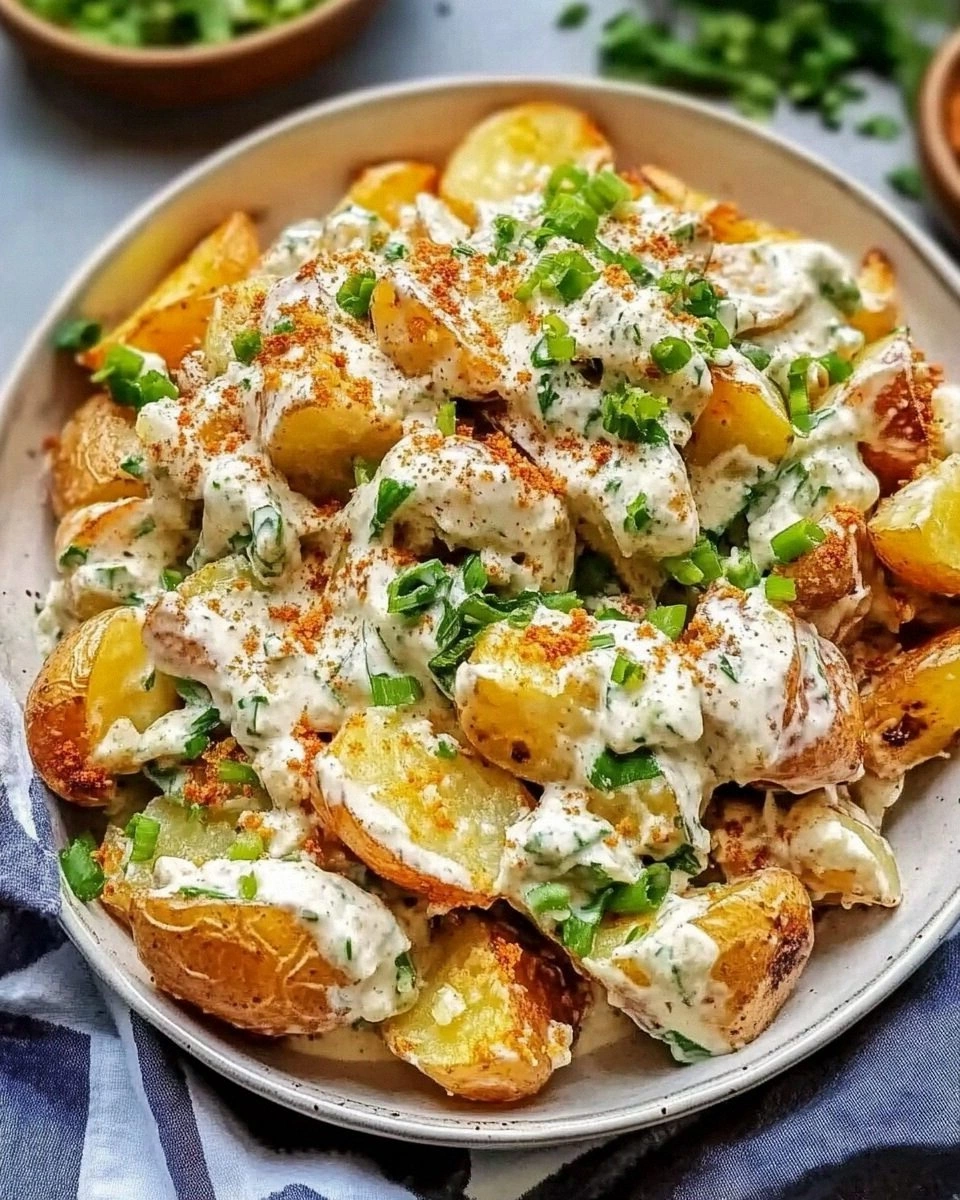
- Once the sauce has thickened, remove the skillet from heat. Stir in the chopped dill, parsley, and chives, then let the salad cool slightly before serving. If you’re preparing it in advance, cover tightly and refrigerate; the crisp edges will reappear when reheated.
- Optional: Top the salad with quartered hard‑boiled eggs and a sprinkle of extra chives for a finishing touch that adds color and protein.
That’s it— you did it. But hold on, I’ve got a few more tricks that will take this to another level…
Insider Tricks for Flawless Results
The Temperature Rule Nobody Follows
Cooking the potatoes on a high heat first and then lowering the temperature is the key to achieving that perfect crunch. If you keep the heat too low, the potatoes will steam instead of sear, resulting in a soggy texture. I’ve seen people try to force crispness by adding too much oil, but that just creates a greasy finish. The trick is to let the pan get hot enough that the potatoes begin to brown on contact, then reduce to finish cooking.
Why Your Nose Knows Best
As soon as the bacon starts to crisp, the aroma will fill the kitchen and signal that the flavor is developing. Your nose can detect when the potatoes are getting that golden-brown edge that indicates the right amount of Maillard reaction. If the smell is faint, give them a few more minutes on the heat.
The 5‑Minute Rest That Changes Everything
After the skillet is removed from heat, let the mixture rest for 5 minutes before serving. This brief pause allows the sauce to thicken and the flavors to settle, giving the salad a cohesive taste. A friend once skipped this step, and the result was a watery, under‑seasoned dish—lesson learned.
Cheese: The Secret Melding Agent
Adding shredded cheddar during the final simmer helps the cheese melt into the sauce, creating a velvety consistency that clings to the potatoes. If you prefer a dairy‑free version, try a small amount of nutritional yeast for a cheesy flavor without the melt.
Finishing Touch: Lemon Zest
A tablespoon of fresh lemon zest added at the end brightens the entire dish and balances the richness. The zest’s oils release a citrusy aroma that lifts the palate. I’ve used this trick at every barbecue, and it’s become a signature element that people ask for.
Serving Suggestion: The Plate Presentation
Arrange the salad in a shallow bowl, then drizzle the remaining sauce over the top in a decorative swirl. Sprinkle the chopped herbs on top for a burst of color. This simple plating technique turns a humble side dish into a showstopper.
Creative Twists and Variations
This recipe is a playground. Here are some of my favorite ways to switch things up:
Spicy Southwest
Add a tablespoon of chipotle in adobo sauce to the sauce mixture and swap the parsley for cilantro. The smoky heat pairs perfectly with the creamy base, and the cilantro adds a fresh, zesty note that complements the chipotle.
Greek‑Inspired
Replace the cheddar with crumbled feta and add a handful of kalamata olives. Finish with a squeeze of lemon and a sprinkle of oregano. The salty feta and olives bring a Mediterranean flair that transforms the dish into a picnic favorite.
Vegan Version
Use plant‑based mayo and nutritional yeast in place of cheddar. Substitute bacon with crispy chickpeas or tempeh for protein. This version maintains the same flavor profile while keeping it entirely plant‑based.
Breakfast Boost
Add diced ham and a sprinkle of paprika for a savory breakfast side that pairs well with eggs. Top with a fried egg for a protein‑packed meal that’s both satisfying and comforting.
Summer Picnic
Incorporate diced mango and a pinch of cayenne pepper into the sauce. The sweet mango balances the heat, creating a tropical twist that’s perfect for outdoor gatherings.
Storing and Bringing It Back to Life
Fridge Storage
Store the salad in an airtight container for up to 3 days. The crisp edges will soften slightly, but the flavors remain vibrant. Keep the container in the cooler part of the fridge to maintain freshness.
Freezer Friendly
You can freeze the salad for up to 2 weeks. When ready to serve, thaw in the fridge overnight and gently reheat in a skillet over low heat, adding a splash of water to prevent drying out. The potatoes will regain their crispness.
Best Reheating Method
Reheat the salad in a skillet over medium heat, stirring frequently. Add a tablespoon of water or a splash of milk to keep the sauce from thickening too much. The result is a warm, creamy salad with a satisfying crunch.