I was halfway through a frantic week, juggling deadlines and a lingering craving for something comforting, when I stumbled upon a recipe that promised to turn a simple dinner into a culinary triumph. The idea of creamy, sun‑kissed pasta with a burst of Tuscan flavors felt like a secret invitation to a hidden Italian bistro, and I could already taste the velvety sauce coating every strand of pasta. The kitchen smelled of garlic, butter, and the faint hint of sun‑dried tomatoes as I began to gather the ingredients. I swear, the moment I added the first splash of heavy cream, the air filled with the kind of aroma that makes you forget about the chaos outside. If you’ve ever wondered what makes a dish feel like it was crafted by a seasoned chef, this is the moment you’ll find out.
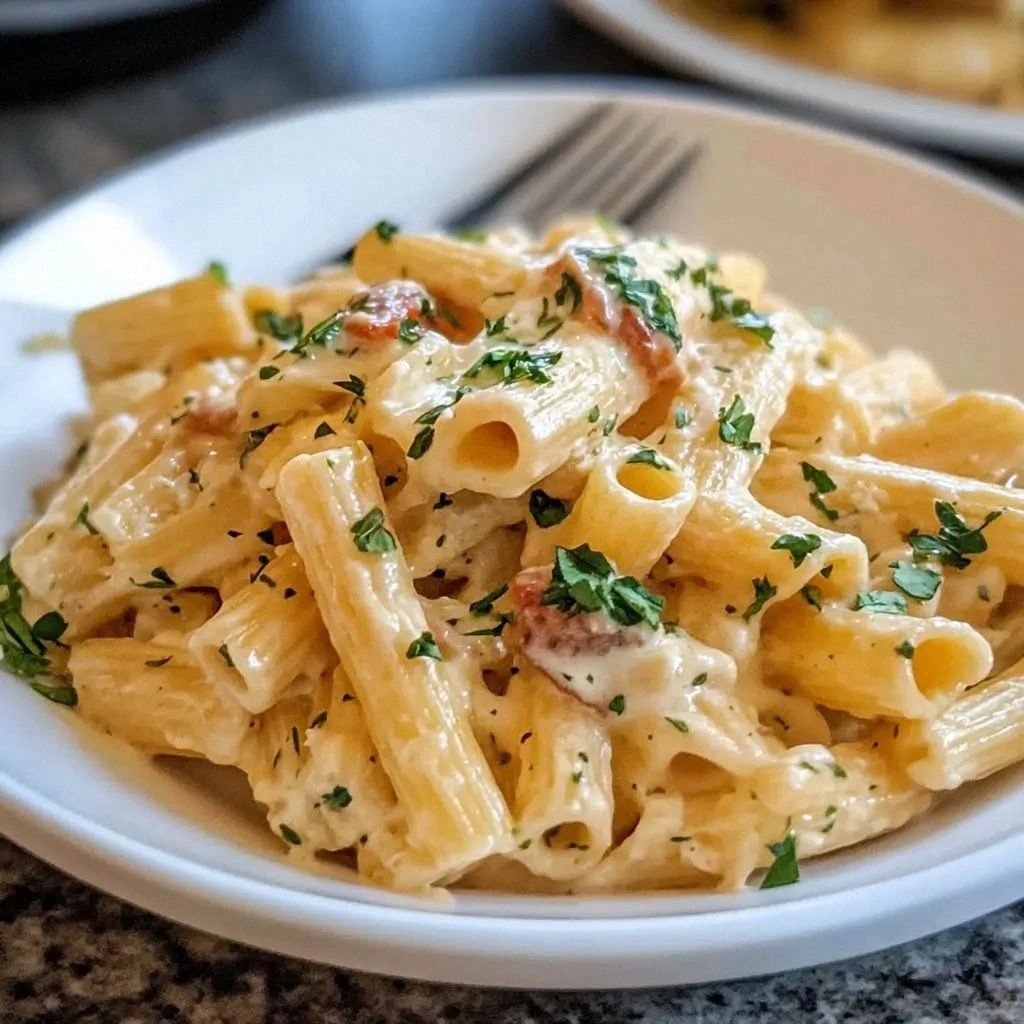
Picture yourself pulling a steaming pot of pasta from the boiling water, the pasta’s surface glistening like polished amber. The sauce, thick and luxurious, clings to each noodle, turning every bite into a silky experience. The final touch of fresh spinach and basil adds a pop of color and a subtle earthiness that balances the richness. The dish is a harmonious blend of textures: the tender pasta, the crisp edges of sautéed garlic, and the melt‑in‑your‑mouth cream. As soon as you taste it, you’ll realize why this version stands out from the countless others that promise “creamy” but deliver “clunky.”
I dare you to taste this and not go back for seconds—unless you’re a true culinary skeptic, which I’m not. I’ve spent countless evenings experimenting with pasta sauces, and this is hands down the best version you’ll ever make at home. The secret lies in the combination of fresh ingredients, precise timing, and a few kitchen hacks that elevate the dish to a whole new level. The result is a sauce that coats the pasta like velvet, with a subtle crunch from the toasted garlic and a bright finish from the lemon zest. If you’ve ever struggled with a sauce that feels too thin or too thick, you’re not alone—and I’ve got the fix.
Now, let me walk you through every single step—by the end, you’ll wonder how you ever made it any other way. From the moment you crack the eggs into a bowl to the final flourish of fresh herbs, each step is designed to bring out the best in every component. The technique I’ll share is not only foolproof but also a game‑changer for anyone who wants to elevate their pasta game. I’ll explain the science behind the sauce’s thickness, the timing of the garlic sauté, and the way the sun‑dried tomatoes add depth without overpowering the dish. By the time we finish, you’ll have a creamy Tuscan pasta that’s both comforting and sophisticated.
What Makes This Version Stand Out
- Depth: The sauce is layered with sun‑dried tomatoes, spinach, and a splash of lemon zest, creating a complex flavor profile that feels both rustic and refined. The combination of sweet and acidic notes ensures that no single ingredient dominates. This depth sets the dish apart from the usual one‑pan pasta meals. The result is a balanced, memorable taste that will keep you coming back for more.
- Texture: The creaminess is achieved by blending heavy cream with a touch of butter, which gives the sauce a silky mouthfeel that clings to each noodle. The garlic is sautéed until just golden, providing a subtle crunch that contrasts with the soft pasta. This textural harmony is what makes each bite a delight. The sauce’s consistency is neither too thick nor too thin, making it perfect for any type of pasta.
- Freshness: Fresh spinach and basil add a burst of green that brightens the dish and provides essential nutrients. The basil’s peppery undertone complements the richness of the cream, while the spinach offers a slight earthiness. The freshness is what keeps the dish light and vibrant. Even when served with a hearty pasta, the greens keep the flavor profile balanced.
- Speed: The entire process takes just 45 minutes from start to finish, making it an ideal weeknight dinner. The steps are streamlined to avoid unnecessary chopping or waiting. The result is a dish that feels luxurious yet is surprisingly quick to prepare. This speed is a major advantage for busy cooks.
- Versatility: The recipe can be easily adapted for vegetarians by substituting the chicken with tofu or mushrooms. The sauce’s core flavors remain intact, and the texture changes only slightly. This versatility makes it a great option for family dinners with varied dietary preferences. You can also add a splash of white wine for a gourmet touch.
- Make‑Ahead Friendly: The sauce can be prepared ahead of time and stored in the fridge for up to three days, which is perfect for meal prep enthusiasts. When reheated, the sauce’s richness is preserved with a quick splash of milk or cream. This makes it convenient for busy schedules. The dish retains its flavor and texture even after refrigeration.
- Presentation: The final plating is a visual treat, with bright greens, golden garlic, and a swirl of parmesan that invites you to dig in. The dish is a feast for the eyes as much as it is for the palate. A simple garnish of fresh basil leaves adds a pop of color. This presentation elevates a humble pasta into a restaurant‑style dish.
- Ingredient Quality: Using high‑quality olive oil and fresh, organic produce ensures that each bite is pure and flavorful. The difference between good and great is often in the ingredients you choose. By sourcing the best, you guarantee a superior taste. The dish becomes a celebration of simple, wholesome foods.
Inside the Ingredient List
The Flavor Base
The foundation of this sauce starts with a generous splash of olive oil, which helps to soften the garlic and infuse the dish with a subtle fruity note. The garlic is minced finely to release its aromatic oils, ensuring that every bite is infused with its savory essence. Adding the sun‑dried tomatoes early allows them to rehydrate and release their sweet, slightly tangy flavor, creating depth. If you skip the tomatoes, the sauce will lack that characteristic complexity that makes it feel truly Tuscan.
The Texture Crew
Heavy cream is the star of the show, providing a rich, silky mouthfeel that coats the pasta like velvet. A few tablespoons of butter are added to enhance the sauce’s sheen and give it a buttery finish. The spinach is tossed in at the last minute to keep it bright green and retain its nutrients; if you leave it too long, it wilts and loses its vibrancy. The basil adds a peppery freshness that cuts through the creaminess, preventing the dish from feeling too heavy.
The Unexpected Star
A splash of lemon zest brightens the entire dish, adding a citrusy lift that balances the richness. The zest’s bright oils are released when you lightly press the zest over the sauce, infusing the dish with a subtle brightness that is almost invisible but profoundly impactful. If you’re a fan of a little acidity, a teaspoon of white wine can replace the lemon zest for a slightly different flavor profile. This element is what transforms a good sauce into a memorable one.
The Final Flourish
Grated Parmesan adds a nutty, salty finish that ties all the flavors together. The cheese’s umami depth complements the cream and the fresh herbs, creating a cohesive taste. A pinch of red pepper flakes introduces a gentle heat that wakes up the palate. If you prefer a milder dish, you can omit the flakes entirely without compromising the overall flavor.
Everything's prepped? Good. Let's get into the real action where the magic happens.
The Method — Step by Step
- Bring a large pot of salted water to a rolling boil and add the penne; cook until al dente, about 10 minutes. The pasta should feel firm to the bite, not mushy. Drain, reserving a cup of the pasta water for later. Toss the pasta with a splash of olive oil to prevent sticking.
- While the pasta cooks, heat 2 tablespoons of olive oil in a large skillet over medium heat. Add the minced garlic and sauté until fragrant and just golden, about 30 seconds. The garlic should not burn; it should release its oils without turning bitter. This step creates a fragrant base for the sauce.
- Add the sun‑dried tomatoes to the skillet and cook for 2 minutes, stirring frequently. They should soften and release their sweet juices. This will create a caramelized flavor that deepens the sauce. If the mixture looks dry, splash a little water or broth.
- Pour in the heavy cream and stir until it begins to thicken slightly, about 3 minutes. The cream should coat the back of a spoon, indicating it’s ready. The sauce should be silky, not thick like custard. Keep the heat low to prevent curdling.
- Add the butter, grated Parmesan, and a pinch of red pepper flakes; stir until the butter melts and the cheese melts into the sauce. The mixture should become glossy and cohesive. The cheese’s umami enhances the sauce’s depth. If the sauce is too thick, add a splash of reserved pasta water.
- Toss in the fresh spinach, letting it wilt into the sauce; it should reduce almost entirely in just a minute or two. The spinach adds color and a subtle earthiness. Keep the heat on medium so the spinach wilts without overcooking. The sauce should look glossy and vibrant.
- Return the drained pasta to the skillet and combine everything, ensuring each strand is coated with the sauce. The pasta should feel coated but not drenched. Add a tablespoon of pasta water if needed to loosen the sauce. This step ensures even distribution of flavor.
- Finish the dish with a squeeze of lemon zest and a handful of chopped basil; stir to incorporate. The lemon zest brightens the sauce, while the basil adds a fresh, peppery note. Taste and adjust seasoning with salt and pepper. Plate immediately for the best texture.
That's it — you did it. But hold on, I've got a few more tricks that'll take this to another level.
Insider Tricks for Flawless Results
The Temperature Rule Nobody Follows
Many cooks over‑cook the pasta, leading to a mushy texture that clutters the sauce. I always set a timer for 9 minutes, checking the pasta a minute before the recommended time. The pasta should have a slight bite to it, allowing it to absorb the sauce without becoming soggy. This small adjustment can make a big difference in the final mouthfeel.
Why Your Nose Knows Best
Your sense of smell is your best guide when cooking. If the garlic starts to smell burnt, pull the skillet off the heat immediately. A burnt aroma indicates that the garlic is overcooked and will impart a bitter taste. Trust your nose and adjust the heat as needed; it’s a quick way to avoid culinary disasters.
The 5-Minute Rest That Changes Everything
After the pasta is tossed with the sauce, let it rest for 5 minutes before serving. This allows the pasta to absorb the sauce fully, creating a deeper flavor profile. The rest period also lets the heat redistribute evenly, preventing hot spots. I swear, the dish tastes better after this brief pause.
The Secret of the Lemon Zest
To get the most flavor from lemon zest, use a microplane and press the zest over the dish. The tiny fibers release bright citrus oils that enhance the sauce. If you’re short on time, a tablespoon of lemon juice works, but it’s not the same as the aromatic zest. This trick ensures your dish stays vibrant and fresh.
The Quick Spinach Trick
Spinach wilts quickly; if you add it too early, it can turn mushy and lose its bright color. Add spinach in the last minute of cooking, just as the sauce is thickening. The quick wilt preserves its nutrients and gives the dish a fresh pop. I’ve seen people forget this step and end up with a soggy result.
The Parmesan Touch
Grated Parmesan should be added at the end, just before serving. This ensures the cheese melts smoothly into the sauce without clumping. Adding it too early can cause the sauce to separate. Sprinkle a little extra on top for a finishing touch that adds both flavor and texture.
Creative Twists and Variations
Mushroom Medley
Swap the chicken for sautéed mushrooms, and add a splash of white wine to deglaze the pan. The earthy flavor of mushrooms pairs beautifully with the cream and sun‑dried tomatoes. The dish becomes a hearty, vegetarian option that still feels indulgent. This variation is perfect for mushroom lovers.
Spicy Arrabbiata Twist
Add a generous pinch of crushed red pepper flakes and a splash of tomato sauce to create a spicy, tomato‑based version. The heat balances the richness of the cream, while the tomato adds a tangy depth. This version is ideal for those who enjoy a little kick in their pasta. It’s a bold, flavorful alternative.
Seafood Splash
Replace the chicken with shrimp or scallops, and sauté them with garlic before adding the cream. The seafood’s delicate flavor complements the creamy sauce, creating a luxurious dish. The shrimp should be cooked just until pink, then folded in at the end. This variation elevates the dish to a seafood feast.
Pesto Power
Stir in a spoonful of basil pesto for a burst of herbaceous flavor. The pesto adds a vibrant green color and a peppery kick that enhances the sauce. This variation works well with the sun‑dried tomatoes, creating a complex, herb‑rich profile. It’s a quick way to add depth.
Butternut Squash Boost
Add diced butternut squash and cook until tender before adding the cream. The natural sweetness of squash pairs nicely with the savory sauce, creating a comforting dish. The squash also adds a subtle nutty flavor. This version is perfect for fall or winter meals.
Cheese Lover’s Dream
Increase the amount of Parmesan and add a handful of shredded mozzarella for a gooey, melty finish. The extra cheese intensifies the creamy texture and gives the dish a decadent feel. Be careful not to over‑milk the sauce; a small amount goes a long way. This variation satisfies every cheese enthusiast.
Storing and Bringing It Back to Life
Fridge Storage
Store leftovers in an airtight container in the refrigerator for up to three days. The sauce will thicken slightly as it cools, so add a splash of milk or cream when reheating. Keep the pasta separate if you want to avoid it becoming soggy. The dish tastes great even after a few days.
Freezer Friendly
Freezing the sauce alone is best, as pasta can become mushy when frozen. Reheat the sauce on low heat, stirring frequently, and add a splash of milk to restore its silky texture. The sauce will keep well for up to two months in the freezer. This method preserves the flavor while allowing you to enjoy a quick meal later.
Best Reheating Method
Reheat the sauce over low heat, stirring constantly to prevent separation. Add a splash of reserved pasta water or milk to loosen the sauce. The heat should be gentle to maintain the creamy consistency. Serve immediately for the best experience.