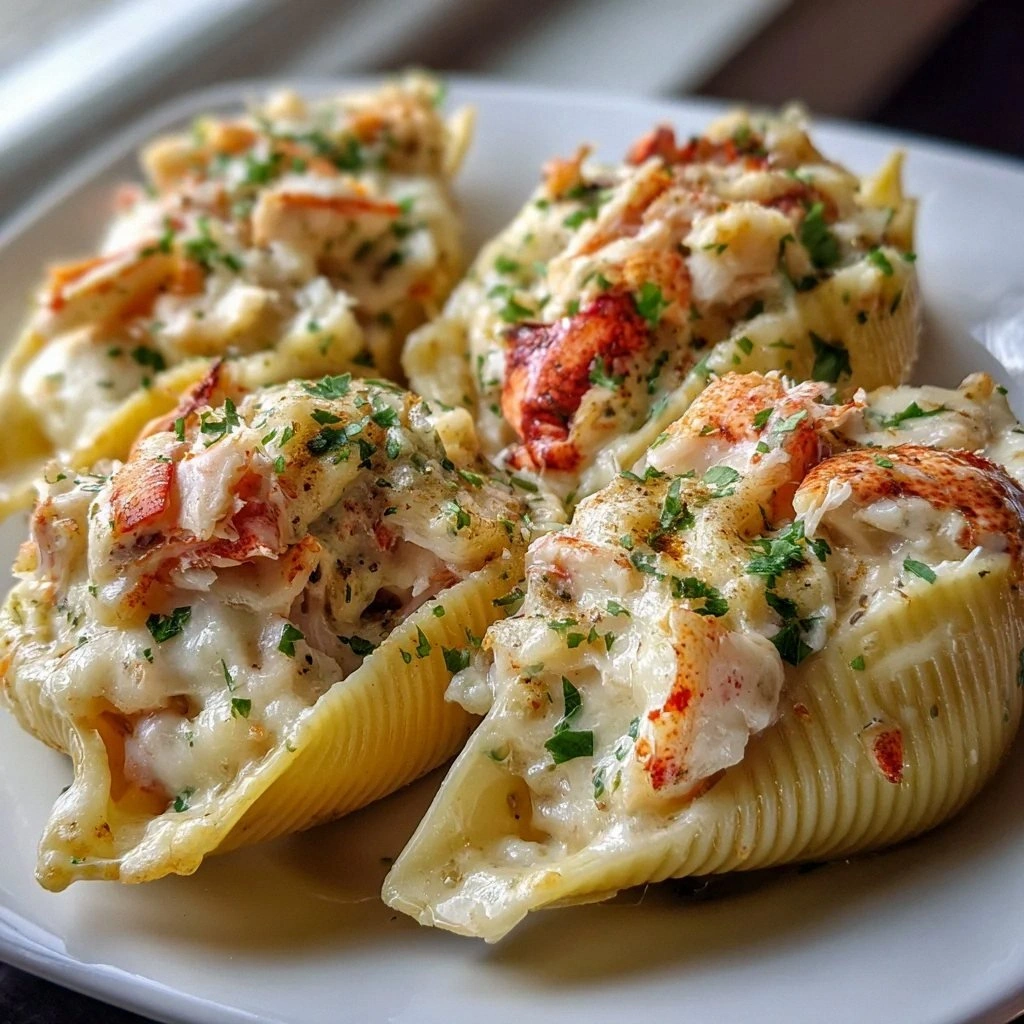
I still remember the first time I attempted seafood stuffed shells. It was a disaster of epic proportions — the filling leaked out like a broken dam, the sauce separated into an oily mess, and my dinner guests politely picked at their plates while I died inside. Fast forward through three months of obsessive testing, countless lobster casualties, and one memorable incident involving a fire alarm and a very angry cat, and here we are. This version? It's the stuff of legend. The shells stay perfectly al dente, the filling stays put like a well-trained soldier, and the sauce — oh, that sauce — it coats every ridge like liquid silk.
Picture this: It's 2 AM on a Tuesday, and I'm standing in my kitchen in mismatched socks, whisking cream cheese into submission while my neighbors probably question my life choices. But here's the thing — when you nail this recipe, when you pull that bubbling pan of golden-crowned shells from your oven and the aroma hits you like a warm ocean breeze, suddenly all those late-night experiments feel worth it. The combination of sweet lobster and delicate crab, wrapped in a cloud of three-cheese filling, nestled in shells that somehow manage to be both tender and al dente? That's not just dinner. That's a mic drop moment.
Most seafood pasta recipes get it wrong. They either drown the seafood in heavy cream until you can't taste the ocean anymore, or they're so timid with seasoning that the whole thing tastes like cardboard with a hint of fish. This recipe? We walk the tightrope between richness and freshness, between indulgence and elegance. We're building layers of flavor like a symphony — the briny sweetness of fresh crab, the buttery luxury of lobster, the sharp bite of Parmesan cutting through all that cream. And the secret weapon? A touch of cream cheese that makes the filling impossibly smooth without turning it into paste.
Let me walk you through every single step — by the end, you'll wonder how you ever made it any other way.
What Makes This Version Stand Out
- Flavor Bomb: Instead of just dumping seafood into cream, we build a proper base with garlic that we actually sauté until it smells like heaven, then layer in cheeses that each bring something different to the party. The result? Every bite tastes like you're dining at a seaside trattoria in Italy, not like you're eating seafood salad from a plastic tub.
- Texture Perfection: Most recipes turn the seafood into rubbery little disappointments. We cook the lobster and crab just enough to set the proteins, then fold them gently into the filling so they stay tender and sweet. The shells maintain their integrity too — no more sad, split pasta revealing a hollow center.
- Restaurant Quality, Home Simple: Despite tasting like something from a Michelin-starred kitchen, this recipe uses techniques your grandmother would recognize. No fancy equipment, no molecular gastronomy, just solid cooking principles executed perfectly. If you can boil pasta and stir a pot, you can make this dish.
- The Make-Ahead Miracle: Here's where this recipe really shines — you can assemble the whole thing up to two days ahead, keep it in the fridge, and just pop it in the oven when guests arrive. The flavors actually meld and improve overnight. Try that with your average seafood pasta and you'll end up with a rubbery, fishy mess.
- Ingredient Integrity: We don't mask the seafood with heavy spices or drown it in cheese. Instead, we use just enough of each component to enhance, not hide, the star ingredients. Fresh herbs, good quality cheese, and seafood that's treated with respect — that's the difference between good and unforgettable.
- Visual Drama: Let's be honest — we eat with our eyes first. These shells emerge from the oven golden and bubbling, with little pockets of melted mozzarella creating Instagram-worthy cheese pulls. It's the kind of dish that makes people stop mid-conversation when you set it on the table.
- Leftover Magic: If you somehow manage to have leftovers, they reheat beautifully. The flavors deepen overnight, and a quick spin in the oven brings back that fresh-from-the-oven magic. Most seafood dishes turn into sad, reheated tragedies — this one actually gets better.
Alright, let's break down exactly what goes into this masterpiece...
Inside the Ingredient List
The Ocean's Finest
The lobster is the crown jewel here, and quality matters tremendously. You want meat that's firm, translucent, and smells like the ocean, not fish. If you're using frozen, make sure it's flash-frozen at sea — that preserves the texture better than anything else. The best part? You don't need the expensive tail meat. The knuckles and claws are actually sweeter and more tender, plus they're easier to chop into perfect little morsels that distribute evenly through the filling. Just make sure you're buying from a reputable source, and if your fishmonger looks at you funny when you ask for knuckle meat specifically, find a new fishmonger.
Lump crab meat is where most recipes go wrong — they use the cheap stuff that's all broken up and tastes like cardboard. Spring for the good lump crab, even if it means buying less. You want big, beautiful chunks that you can fold gently into the filling without breaking them up. And here's the thing about crab — it's already cooked when you buy it, so our job is just to warm it through gently. Overwork it and you'll end up with stringy, fishy disappointment. Treat it like the delicate treasure it is, and it'll reward you with sweet, briny pockets of perfection in every bite.
The Holy Trinity of Cheese
Mozzarella gets top billing for good reason — it's the stretchy, melty backbone that holds everything together. But not all mozzarella is created equal. Skip the pre-shredded stuff that's coated in cellulose — it won't melt properly and tastes like sawdust. Buy a fresh ball and shred it yourself, or better yet, tear it into rustic pieces that create those gorgeous cheese pulls. The low-moisture variety works best here because we want it to melt into the sauce without watering it down. And don't go overboard — too much mozzarella and you're eating cheese soup with occasional seafood sightings.
Parmesan Reggiano is our flavor bomb, the umami-packed powerhouse that makes everything taste more like itself. Yes, it's expensive. Yes, it's worth it. The real stuff (look for the pin-dot pattern on the rind) has been aged for at least 24 months, developing those complex, nutty flavors that fake Parmesan can only dream about. We add it at two stages — some in the filling for depth, and some on top for that golden, crispy crown. And whatever you do, don't buy it pre-grated. Once it's grated, it starts losing flavor faster than you can say "carbonara."
Cream cheese is the secret weapon that nobody expects but everybody raves about. It melts into the sauce creating this impossibly smooth, velvety texture that hugs every piece of pasta like a silk scarf. Use the full-fat version — this is not the time for diet food. The Philadelphia brand works best because it has the right moisture content, but any good quality cream cheese will do. Just make sure it's at room temperature before you start, or you'll end up with lumpy sauce and a bad attitude.
The Supporting Cast
Garlic is non-negotiable, but here's where technique matters. Mince it too fine and it'll burn and turn bitter. Leave it too chunky and you'll bite into a raw garlic bomb. The sweet spot is a fine mince that you sauté just until it smells amazing — about 30 seconds. Any longer and it starts to brown and take on that acrid edge that'll ruin the whole dish. And please, for the love of all that's holy, don't use that pre-minced stuff in jars. It tastes like sadness and disappointment.
Heavy cream is what transforms this from a weekday pasta into something you'd propose marriage over. It needs to be real heavy cream — none of that half-and-half nonsense — because we're reducing it down to concentrate the flavors. As it simmers, it thickens and coats the back of a spoon like liquid velvet. The fat content is crucial here — it's what carries all the other flavors and gives the sauce that luxurious mouthfeel that makes people close their eyes involuntarily when they take the first bite.
The Pantry Heroes
All-purpose flour might seem boring, but it's the backbone of our sauce. We use just enough to thicken the cream without turning it into library paste. The trick is to cook it properly with the butter first — this gets rid of that raw flour taste that screams "amateur hour." You want it to smell slightly nutty and look like wet sand before you start adding the cream. Too little and your sauce will be soup. Too much and you'll need a knife and fork to eat it.
Salt and pepper are where most home cooks get lazy, but they're the difference between good and transcendent. Use kosher salt — the larger crystals give you better control — and taste as you go. The seafood adds its own salinity, so season lightly at first and adjust at the end. Fresh cracked black pepper is worth the arm workout. Pre-ground pepper tastes like cardboard and loses its volatile oils within minutes of grinding. Invest in a good pepper mill and your taste buds will thank you for the rest of your life.
Everything's prepped? Good. Let's get into the real action...
The Method — Step by Step
- Start with a large pot of well-salted water — it should taste like the ocean, not like a polite suggestion of salt. Bring it to a rolling boil that looks like it's angry at you, then add your jumbo shells. Here's the critical part: cook them for exactly 2 minutes less than the package suggests. They'll finish cooking in the oven, and this prevents the dreaded blowout where your beautiful filling escapes like a prisoner. Stir gently with a wooden spoon to prevent sticking, but don't go crazy — these shells are tougher than they look. When they're done, drain them and spread them out on a kitchen towel to cool. Don't rinse with cold water — we want them slightly warm so they don't seize up when we stuff them.
- While the pasta cooks, let's build our flavor base. In a large skillet over medium heat, melt your butter until it stops foaming — that's when you know the water has evaporated and it's ready to do its job. Add the minced garlic and sauté for exactly 30 seconds, or until your kitchen smells like you've died and gone to Italian heaven. Don't let it brown — brown garlic is bitter garlic, and bitter garlic will haunt your dreams. Immediately sprinkle in the flour and whisk like your life depends on it. You want to cook this roux for about 2 minutes, until it smells slightly nutty and looks like wet sand at the beach. This is the foundation of your sauce, so don't rush it.
- Now comes the fun part — slowly pour in your heavy cream while whisking constantly. Pour too fast and you'll get lumps that no amount of whisking will fix. The sauce will thicken almost immediately, turning into this gorgeous velvety mixture that coats your whisk like paint. Keep stirring and cooking for about 3 minutes, until it can coat the back of a spoon and you can draw a line with your finger that stays put. This is called nappe consistency, and it's what separates the pros from the pretenders. Reduce the heat to low and add your cream cheese, whisking until it's completely melted and incorporated.
- Time to build the filling — and this is where most recipes go wrong. Take your cream cheese mixture off the heat and let it cool for about 5 minutes. If you add your seafood to hot sauce, you'll cook it again and end up with rubber. Nobody wants rubber. In a large bowl, gently fold together your lobster, crab, half the mozzarella, half the Parmesan, and the cooled cream mixture. Use a rubber spatula and treat it like you're folding clouds — you want to keep those beautiful lumps of crab intact. Season with salt and pepper, but remember the cheeses add salt too, so start conservative. Taste it now, because once it's in the shells, there's no going back.
- Preheat your oven to 375°F (190°C) — yes, we're going hot and fast to prevent the seafood from overcooking. While it heats, stuff those shells like your life depends on it. Use a small spoon or your fingers (clean fingers, please) and fill each shell until it's plump but not bursting. You want them full and happy, not like they're trying to escape their pasta prisons. Arrange them in a buttered baking dish, seam side up, so the filling doesn't leak out during baking. They should fit snugly but not cramped — think of them as pasta passengers on a cozy but not crowded train.
- Here's where the magic happens. Pour any remaining sauce over the shells, but don't drown them — they should be swimming but not drowning. Sprinkle the remaining mozzarella and Parmesan over the top, creating little cheese mountains that will melt into golden pools of deliciousness. Cover the dish with foil, but here's the pro tip: tent it so it's not touching the cheese. We want the cheese to melt, not stick to the foil and create a cheese-skin disaster that will make you weep real tears.
- Bake covered for 20 minutes — this steams the shells and ensures everything heats through without drying out. Then remove the foil and bake for another 10-15 minutes, until the cheese is golden and bubbling like a jacuzzi of happiness. The edges should be crispy and brown, creating those little burnt cheese bits that everyone fights over. If your cheese isn't browning fast enough, switch to broil for the last 2 minutes, but watch it like a hawk. One minute too long and you've gone from golden perfection to charcoal disappointment.
- Let it rest for exactly 5 minutes — no more, no less. Too short and the cheese will slide off like a dairy avalanche. Too long and it starts to seize up and get rubbery. Five minutes is the sweet spot where everything sets but stays molten and gorgeous. Garnish with fresh parsley if you're feeling fancy, or just dig in like the cheese-loving animal you are. Serve hot with crusty bread to mop up the sauce, because wasting this sauce should be a crime punishable by law.
That's it — you did it. But hold on, I've got a few more tricks that'll take this to another level...
Insider Tricks for Flawless Results
The Temperature Rule Nobody Follows
Here's the thing that separates restaurant-quality from home cooking: temperature control. Your dairy products need to be at room temperature before they hit the pan. Cold cream cheese will seize up into stubborn little nuggets that refuse to melt smoothly. Cold heavy cream can cause your roux to break and weep like it's watching a sad movie. Take everything out of the fridge 30 minutes before you start cooking. Yes, even the cream cheese. Yes, I know you're impatient. But trust me — this one simple step prevents 90% of sauce disasters. And while we're talking temperature, serve this dish hot but not molten. The flavors bloom around 140°F, but above 160°F and you can't taste anything except burning.
Why Your Nose Knows Best
Stop relying on timers and start trusting your senses. When the garlic is perfectly sautéed, your kitchen will smell like you've walked into the world's best Italian restaurant. When the roux is ready, it'll smell slightly nutty like toasted almonds, not like raw flour. The cheese sauce is done when it coats your whisk and drips off like slow-motion lava. And here's the big one — overcooked seafood smells like a fish market at closing time. Fresh, properly cooked seafood smells like the ocean on a good day, briny and clean. If your kitchen starts smelling like low tide, you've gone too far and there's no coming back. Start over, learn from your mistakes, and next time trust your nose to guide you to victory.
The 5-Minute Rest That Changes Everything
I know you're hungry. I know it smells incredible. But walk away for exactly five minutes and let chemistry do its magic. During this rest, the proteins in the cheese relax and the sauce thickens to the perfect consistency. The cheese on top sets just enough to create that gorgeous cheese pull without sliding off the shells like a dairy avalanche. More importantly, the temperature drops to that sweet spot where you can actually taste all the flavors instead of just experiencing mouth-melting heat. Use these five minutes wisely — set the table, pour some wine, take a victory selfie, or just hover over the dish inhaling like a weird food-obsessed vampire. When you come back, it'll be worth the wait.
The Seafood Selection Secret
Not all lobster and crab are created equal, and knowing how to pick the good stuff will elevate your dish from great to legendary. For lobster, look for meat that's translucent and slightly pink — if it's pure white and opaque, it's already overcooked. The best lobster meat comes from the knuckles and claws, not the tail. It's sweeter, more tender, and significantly cheaper. For crab, jumbo lump is worth the splurge, but here's a pro tip: mix half jumbo lump with half regular lump. You get the gorgeous big pieces for texture and visual appeal, but the smaller pieces distribute better through the filling. And always, always smell your seafood before buying. It should smell like the ocean on a crisp morning, not like fish that's been sitting in the sun.
The Cheese Grater Revelation
Stop using that old box grater that's been in your drawer since college. Invest in a good microplane for the Parmesan and shred the mozzarella by hand with a proper box grater with sharp holes. Pre-shredded cheese is coated with cellulose to prevent clumping, which also prevents it from melting smoothly. When you grate your own, the cheese melts into silky rivers instead of seizing up into stubborn little nuggets. Plus, freshly grated cheese tastes more intense because the volatile compounds haven't had time to evaporate. Yes, it's extra work. Yes, your arm might get tired. But when you see how beautifully the freshly grated cheese melts and browns, creating those golden, crispy edges that shatter like thin ice, you'll understand why restaurants never use the pre-shredded stuff.
Creative Twists and Variations
This recipe is a playground. Here are some of my favorite ways to switch things up:
The Mediterranean Escape
Swap out half the heavy cream for good quality feta cheese, crumbled and stirred in at the end instead of the cream cheese. Add some chopped sun-dried tomatoes and fresh oregano to the filling. The feta brings this tangy, salty punch that makes the seafood taste like it's been vacationing on a Greek island. Top with some toasted pine nuts for crunch and you've got a completely different dish that still scratches the same itch. This version is lighter but somehow more complex, like the difference between a beach vacation and a cultural tour.
The Spicy Coastal Storm
Add a diced jalapeño to the garlic when you sauté it, and swap half the mozzarella for pepper jack. Stir in some Cajun seasoning to the filling — not enough to overwhelm the seafood, just enough to make things interesting. The spice and cheese combination creates this addictive heat that builds slowly, making you reach for your water glass while simultaneously reaching for another bite. It's like your mouth can't decide whether it's in pleasure or pain, so it just keeps eating to figure it out.
The Surf and Turf Deluxe
Add some diced, cooked pancetta or good quality bacon to the filling. The smoky, salty pork plays beautifully with the sweet seafood, creating this whole greater-than-the-sum-of-its-parts situation. Use bacon that's been baked until crispy, then crumbled into small pieces. You want little pockets of smoky flavor, not big chunks that overwhelm the delicate seafood. This is the version for people who can't decide between land and sea — now you don't have to choose.
The Spring Garden Version
Fold in some fresh peas and thin asparagus tips to the filling. The vegetables add pops of color and freshness that make the dish feel lighter and more appropriate for warmer weather. Use fresh peas if you can find them — frozen work too, but fresh peas have this sweet, grassy flavor that tastes like spring exploded in your mouth. The asparagus should be thin and tender, cut into bite-sized pieces. Blanch them for just 30 seconds before adding to keep their bright green color and slight crunch.
The Luxe Truffle Edition
Replace the Parmesan with an equal amount of good truffle cheese, and drizzle some white truffle oil over the top right before serving. This version is stupidly expensive and completely worth it. The earthy truffle flavors make the seafood taste more like seafood somehow, like they've been foraging in the same forest. Use a light hand with the truffle oil — a little goes a long way, and too much will make your kitchen smell like a gas station that sells truffle products.
The Coastal New England
Add some cooked corn kernels and diced red bell pepper to the filling. The corn adds sweetness that echoes the lobster's natural sugars, while the bell pepper brings color and a slight crunch. This version tastes like a summer clambake got dressed up for a fancy dinner party. Use fresh corn cut off the cob if it's in season — the crunch and pop of fresh corn is unbeatable. If you're using frozen, make sure to thaw and pat it dry so it doesn't water down your filling.
Storing and Bringing It Back to Life
Fridge Storage
Got leftovers? Lucky you. Let the dish cool completely — I mean completely, not just sort of warm — then cover it tightly with plastic wrap, pressing the wrap directly onto the surface to prevent a skin from forming. It'll keep for up to 3 days in the fridge, though I challenge you to make it last that long. Store it in the original baking dish if you have space, or transfer to an airtight container. The flavors actually meld and improve overnight, making the leftovers arguably better than the original. Just remember that seafood doesn't age like fine wine — after day 3, even the best intentions can't save it from becoming a science experiment.
Freezer Friendly
Here's where this recipe really shines — it freezes beautifully for up to 2 months. Assemble the whole thing but don't bake it. Wrap it tightly in plastic wrap, then aluminum foil, and freeze. When you're ready to eat, thaw it in the fridge overnight, then bake as directed, adding an extra 10-15 minutes since it's starting cold. The texture stays perfect because the cheese and cream protect the seafood from freezer burn. It's like having a restaurant-quality meal stashed away for emergencies, lazy days, or "I don't want to cook but I want to eat like royalty" days.
Best Reheating Method
Whatever you do, don't microwave this dish unless you enjoy rubbery seafood and separated sauce. The best method is to cover it with foil and reheat in a 325°F oven for about 20 minutes, removing the foil for the last 5 minutes to re-crisp the top. If it looks dry, add a splash of cream or milk before reheating — it'll steam and bring everything back to life. For individual portions, you can reheat in a covered skillet over low heat with a splash of cream, stirring gently. The key is low and slow — this isn't fast food, it's patient food that rewards your restraint with creamy, cheesy, seafood perfection.