It started with a kitchen catastrophe that I still laugh about: I was juggling a pot of simmering coconut milk, a skillet full of onions, and a bowl of ground chicken that seemed to have a mind of its own. The moment the lid slipped off, the sauce splashed everywhere, turning my countertop into a tropical disaster zone. I was furious, but the aroma that rose from the chaos was oddly comforting. That scent—sweet coconut, sharp lime, and a hint of curry—told me I had stumbled on something special. If you’ve ever tasted a dish that feels like a vacation in a bowl, you’re in for a treat.
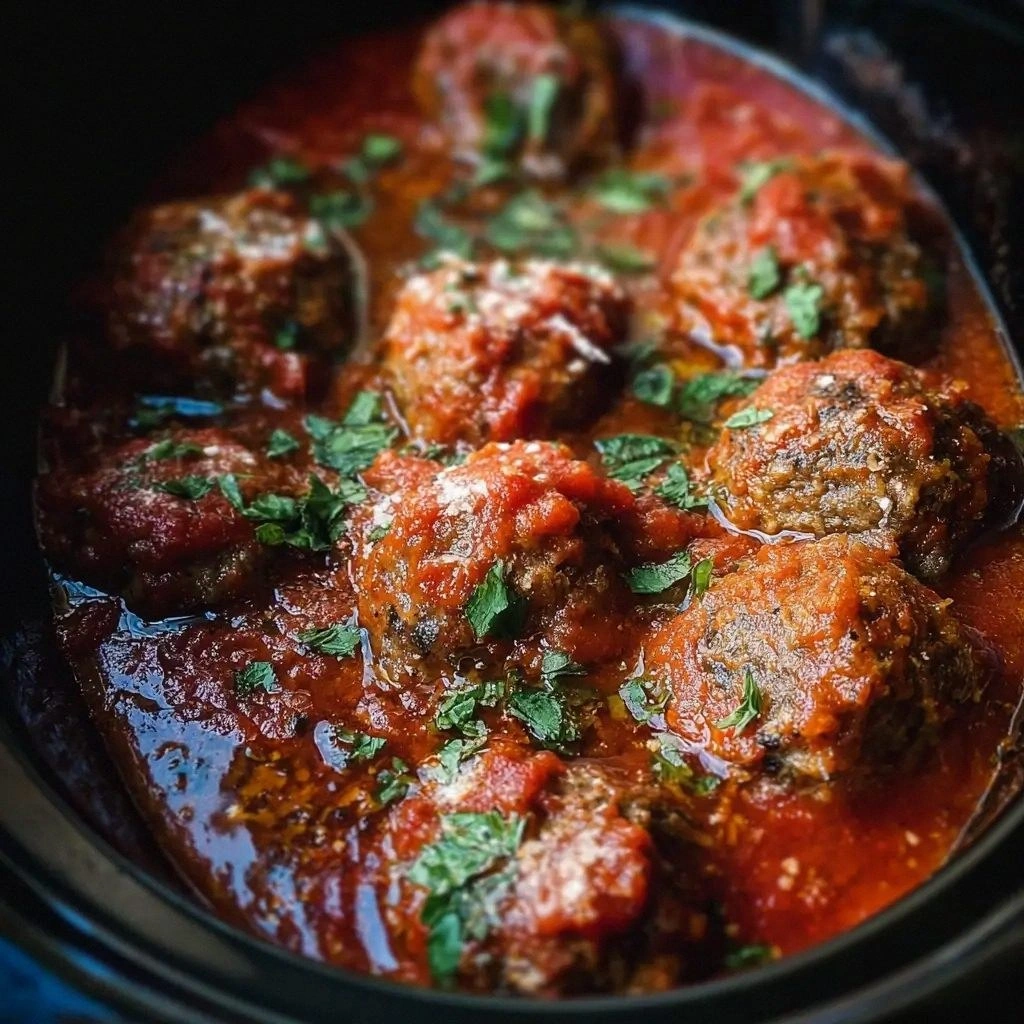
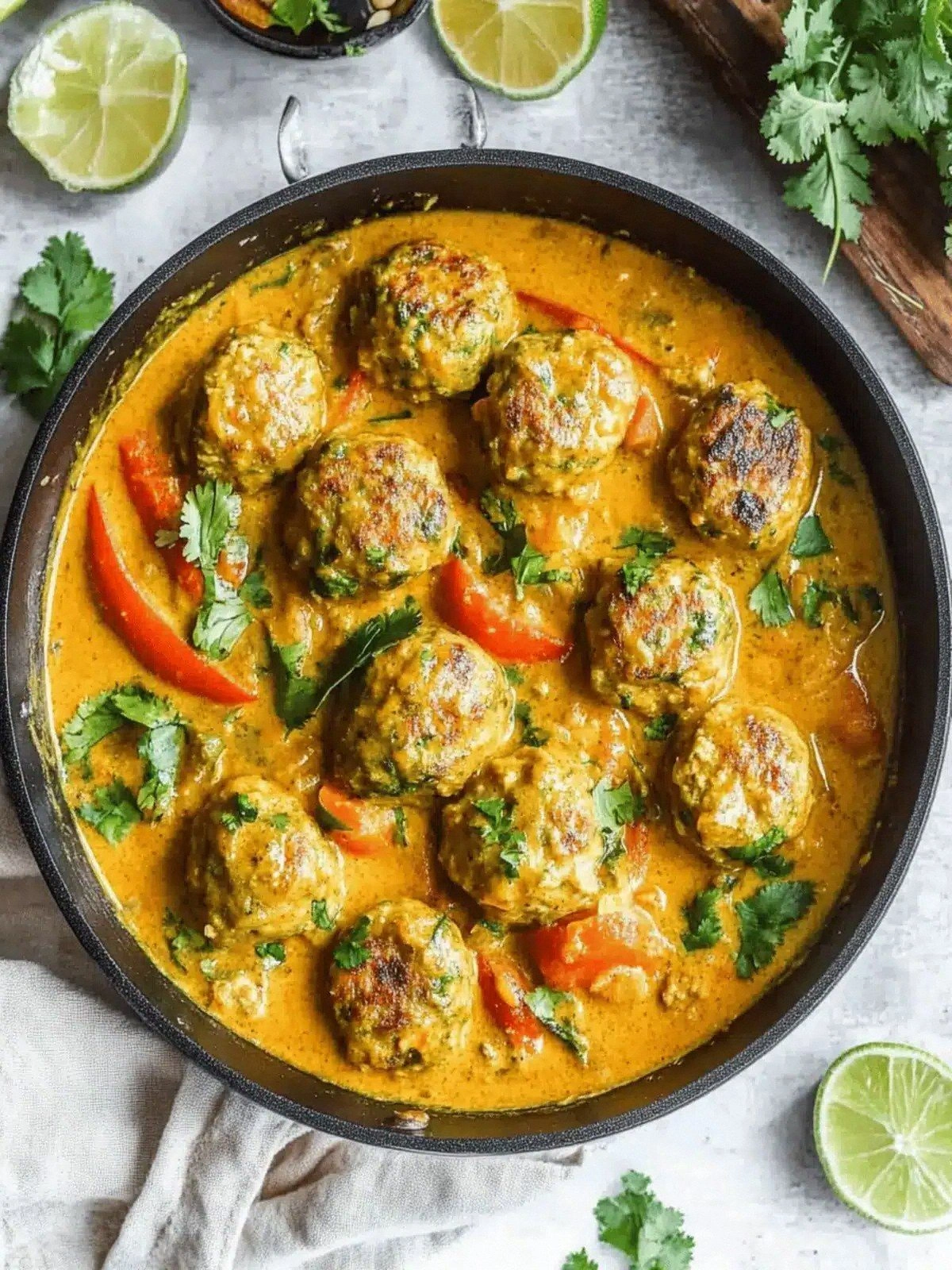
Picture this: a golden-brown, glossy coating on each meatball that feels like velvet against the tongue, while the inside remains moist and tender. The coconut milk swirls with curry paste, creating a silky sauce that clings to the meatballs like a secret handshake. As you bite, the heat from the curry powder rises, followed by a citrusy burst from the lime that cuts through the richness. The bell pepper adds a pop of color and a subtle crunch that contrasts beautifully with the softness of the spinach. The whole dish sings with layers of flavor that dance on your palate.
What sets this version apart from the endless variations you find online is the balance of heat and sweetness, the use of fresh ingredients, and the simple technique that locks in moisture without overcooking. I dare you to taste this and not go back for seconds—once you’ve had a bite, you’ll know the difference between a good curry and a great one. It’s hands down the best version you’ll ever make at home, and I’m about to walk you through every single step. By the end, you’ll wonder how you ever made it any other way.
Now, let’s dive into the heart of this dish and discover why it’s not just another recipe but a culinary revelation. The next section will break down the ingredients, the technique, and the little secrets that elevate this coconut curry chicken meatball to legendary status. Stay with me here—this is worth it.
What Makes This Version Stand Out
- Flavor: The combination of coconut milk and curry paste creates a creamy, aromatic base that feels both exotic and comforting. It’s the kind of sauce that coats the meatballs like velvet, leaving a lingering warmth that satisfies the soul.
- Texture: The meatballs are firm on the outside but melt-in-your-mouth inside, thanks to the moisture retained by coconut oil and the gentle simmering technique. The spinach adds a subtle chewiness that balances the dish.
- Ease: No elaborate prep or hard-to-find spices—just a handful of pantry staples and fresh produce. This recipe is a game-changer for weeknight dinners.
- Uniqueness: The bright lime juice lifts the heaviness of coconut, giving the dish a fresh, zesty finish that’s rarely found in other meatball recipes.
- Crowd-pleaser: Whether you’re feeding a family or a group of friends, the bold flavors and comforting texture make this dish a hit at any gathering.
- Ingredient Quality: Using fresh ground chicken and hand‑picked bell peppers ensures the best flavor profile, while the quality of the coconut milk makes a noticeable difference.
- Cooking Method: The technique of first browning the meatballs before simmering in sauce locks in juices, preventing them from drying out.
- Make‑Ahead Potential: You can prepare the meatballs ahead of time and store them in the fridge or freezer—just reheat in the sauce for a quick meal.
Inside the Ingredient List
The Flavor Base
Ground chicken is the star of the show, providing a neutral canvas that absorbs the spices. A pound of ground chicken (about 454 g) is the sweet spot—enough to create substantial meatballs without becoming too dry. If you’re a turkey lover, swap in ground turkey; the flavor will be slightly lighter, but the texture remains similar. When buying, look for a blend that has a slight fat content—this keeps the meatballs moist.
Curry powder is the backbone of the sauce’s aroma. Two tablespoons (approximately 30 g) deliver a warm, earthy depth that balances the sweetness of the coconut. If you’re a fan of a more robust flavor, use a mix that contains cumin, coriander, and a touch of turmeric. For a milder version, reduce the amount to one tablespoon, but keep the rest of the spices intact.
Curry paste (two tablespoons, 30 g) adds a punch of heat and a glossy sheen to the sauce. The paste’s concentrated flavor means you can’t go wrong with a standard store brand, but if you have homemade paste, it’ll elevate the dish. If you’re avoiding red chilies, choose a milder paste or dilute it with a little coconut milk.
The Texture Crew
The onion (one medium, roughly 150 g) provides a sweet backbone that caramelizes slightly during browning. Dice it finely so it blends into the meat mixture, giving the meatballs a subtle sweetness that counterbalances the curry’s heat. A quick tip: sauté the onion until it’s translucent before adding the garlic and ginger.
Garlic (three cloves, about 9 g) and ginger (one tablespoon, 15 g) bring a fresh, zesty kick that cuts through the richness of the coconut. Mince the garlic and grate the ginger finely to release their essential oils. If you’re a fan of a more pronounced ginger flavor, double the amount—just be mindful of the heat.
Spinach (two cups, 60 g) is the green hero that adds a pop of color and a gentle earthiness. It’s added towards the end of cooking to wilt just enough for texture but not so much that it becomes mushy. If you’re allergic or simply don’t like spinach, replace it with kale or collard greens for a different bite.
The Unexpected Star
Lime juice (two tablespoons, 30 ml) is the secret weapon that brightens the entire dish. The acidity lifts the coconut’s heaviness and gives the sauce a bright, refreshing finish. Squeeze fresh lime for the best flavor; bottled lime juice can taste flat. If you’re using bottled lime juice, add a splash of fresh lemon juice for extra brightness.
Coconut oil (two tablespoons, 30 ml) is used for browning the meatballs and sautéing the aromatics. Its high smoke point makes it perfect for high‑heat cooking, and it adds a subtle coconut flavor that complements the milk. If you’re looking for a healthier option, try using a neutral oil like grapeseed, but you’ll lose some of the coconut depth.
The Final Flourish
Bell pepper (one cup, 150 g) adds crunch, color, and a sweet note that balances the heat. Dice it into small cubes so it blends with the meatballs but still offers a bite. For a smoky twist, use smoked paprika or add a few drops of smoked salt.
Coconut milk (one can, 400 ml) is the silky base that brings everything together. Use full‑fat coconut milk for a richer sauce; light coconut milk will give a lighter texture but less flavor. If you’re lactose intolerant or vegan, coconut milk is a natural fit. For a thicker sauce, reduce the coconut milk by half and add a tablespoon of cornstarch dissolved in cold water.
Everything’s prepped? Good. Let’s get into the real action.
The Method — Step by Step
- Step 1: Combine the Meat. In a large bowl, mix the ground chicken with the finely diced onion, minced garlic, grated ginger, curry powder, and curry paste. The mixture should feel sticky and well‑combined. If you’re using ground turkey, add a tablespoon of water to keep it moist. Let the mixture rest for 10 minutes; this helps the flavors meld and the meat bind better.
- Step 2: Form the Meatballs. Using a tablespoon or small cookie scoop, shape the mixture into 1‑inch diameter balls. Make sure they’re uniform in size to cook evenly. Place them on a parchment‑lined tray; you’ll need them to be separated so they brown properly. I swear the moment you see them form, you’ll know this is going to be good.
- Step 3: Brown the Meatballs. Heat the coconut oil in a large skillet over medium‑high heat. Add the meatballs in batches, leaving space between each. Sear them for 2–3 minutes per side until a golden crust forms. The sizzle is the soundtrack of success—listen for that deep, satisfying crackle.
- Step 4: Build the Sauce. Reduce heat to medium and pour in the can of coconut milk, stirring to combine with the browned bits on the pan. Add the diced bell pepper and let the mixture come to a gentle simmer. The sauce should thicken slightly and develop a fragrant aroma that makes your mouth water.
- Step 5: Simmer the Meatballs. Return the browned meatballs to the skillet, nestling them into the sauce. Cover the pan and let them simmer for 15 minutes, turning occasionally. This slow cook infuses the meatballs with the sauce’s flavor while keeping them juicy. The edges should look slightly translucent, not dry.
- Step 6: Add Spinach. Stir in the spinach and let it wilt, which should take about 2 minutes. The spinach will release moisture, adding a subtle green burst to the dish. If you like a bit of crunch, reserve a handful of spinach to sprinkle on top after serving.
- Step 7: Finish with Lime. Remove the skillet from heat and squeeze the lime juice over the meatballs. The acidity brightens the sauce, cutting through the richness of the coconut. Give everything a final stir, tasting for seasoning; add salt or pepper as needed. The dish should feel vibrant and balanced.
- Step 8: Serve. Plate the meatballs and spoon the sauce over them. Garnish with fresh cilantro or a sprinkle of toasted sesame seeds if you like. Pair with steamed rice or a light salad to round out the meal. The aroma alone will have your guests lining up for seconds—no kidding.
That’s it—you did it. But hold on, I’ve got a few more tricks that will take this to another level.
Insider Tricks for Flawless Results
The Temperature Rule Nobody Follows
Cooking meatballs at the right temperature is a subtle art. Start with medium‑high heat to get a good sear, then lower to medium for the simmer. If you’re using a gas stove, keep the flame at a medium setting; if it’s an electric stove, let the pan heat up slowly to avoid scorching. A quick test: sprinkle a drop of water on the pan—if it sizzles immediately, the heat is too high.
Why Your Nose Knows Best
Smell is a powerful indicator of doneness. When the sauce is bubbling and the meatballs emit a warm, fragrant aroma, you’re in the right spot. If the scent feels flat or under‑cooked, let it simmer longer. Your nose will guide you to the perfect balance of coconut richness and spice.
The 5‑Minute Rest That Changes Everything
After simmering, let the meatballs rest for five minutes before serving. This pause allows the juices to redistribute, ensuring each bite is moist. It also gives the sauce time to thicken slightly, creating a luscious coating that clings to the meatballs. Trust me, this small step can make the difference between a good dish and a great one.
The Secret of Freshness
Using fresh, seasonal vegetables like bell pepper and spinach elevates the dish. If you’re in the off‑season, freeze the veggies and thaw them before use. This preserves flavor and texture. The key is to avoid over‑cooking them; a quick sauté or a brief addition to the sauce is all you need.
The Perfect Portion Control
To keep the dish balanced, aim for 1‑inch meatballs. Smaller ones will cook faster but can dry out; larger ones may be tough on the inside. A tablespoon or small cookie scoop helps maintain uniformity. Consistency is key for even cooking and a professional presentation.
Creative Twists and Variations
This recipe is a playground. Here are some of my favorite ways to switch things up:
Spicy Thai Twist
Swap the curry paste for a Thai red curry paste and add a tablespoon of fish sauce for umami. Drop in a handful of Thai basil leaves at the end for an aromatic finish. This version leans into Southeast Asian flavors, making it a crowd‑pleaser for adventurous eaters.
Mediterranean Flair
Replace the coconut milk with a splash of Greek yogurt and add chopped olives and feta cheese to the sauce. Use a pinch of oregano and a dash of lemon zest. The result is a creamy, tangy dish that feels like a Mediterranean picnic.
Low‑Carb Version
Omit the bell pepper and replace it with zucchini noodles or cauliflower rice. Keep the coconut milk, but reduce the amount to 200 ml to lower the carb count. This keeps the dish hearty while staying keto‑friendly.
Vegan Adaptation
Use plant‑based ground “chicken” or crumbled tempeh. Swap coconut milk for cashew cream, and use a vegan curry paste. The texture will differ slightly, but the flavor profile remains intact.
Garnish Remix
Top the finished dish with toasted coconut flakes, crushed peanuts, or a drizzle of coconut‑infused honey. These extras add crunch and a sweet counterpoint to the savory sauce. A simple sprinkle of fresh cilantro also brightens the presentation.
Storing and Bringing It Back to Life
Fridge Storage
Cool the dish to room temperature, then transfer to an airtight container. Store in the refrigerator for up to 3 days. When reheating, add a splash of coconut milk or water to maintain moisture. The sauce will thicken slightly upon cooling, so a gentle stir helps restore its silky texture.
Freezer Friendly
For longer storage, freeze the meatballs separately from the sauce. Wrap each meatball tightly in plastic wrap, place in a freezer bag, and store for up to 2 months. Reheat the sauce first, then add the frozen meatballs, simmering until heated through. This method preserves flavor and texture.
Best Reheating Method
Reheat the sauce on low heat, stirring occasionally. If it’s too thick, add a tablespoon of water or coconut milk to reach the desired consistency. Once hot, add the meatballs and let them absorb the flavors for 5 minutes. Serve immediately for the best taste.