I was in the middle of a chaotic Friday night dinner when the kitchen turned into a culinary battlefield. The oven was already overfull with a pot of spaghetti that had been left to simmer too long, the fridge smelled like yesterday’s garlic, and my friend had just dared me to whip up a dish that would make even a seasoned chef swoon. I stared at the pantry, eyes darting from the flour to the lemon zest, and thought, “What if I could turn a simple chicken breast into a showstopper in under 45 minutes?” The answer was a sizzling pan, a splash of white wine, and a buttery lemon sauce that would coat the meat like a silky ribbon. I’m not just talking about any chicken dish; this is the version that turns an ordinary evening into a memorable feast, and trust me, it’s hands down the best you’ll ever make at home.
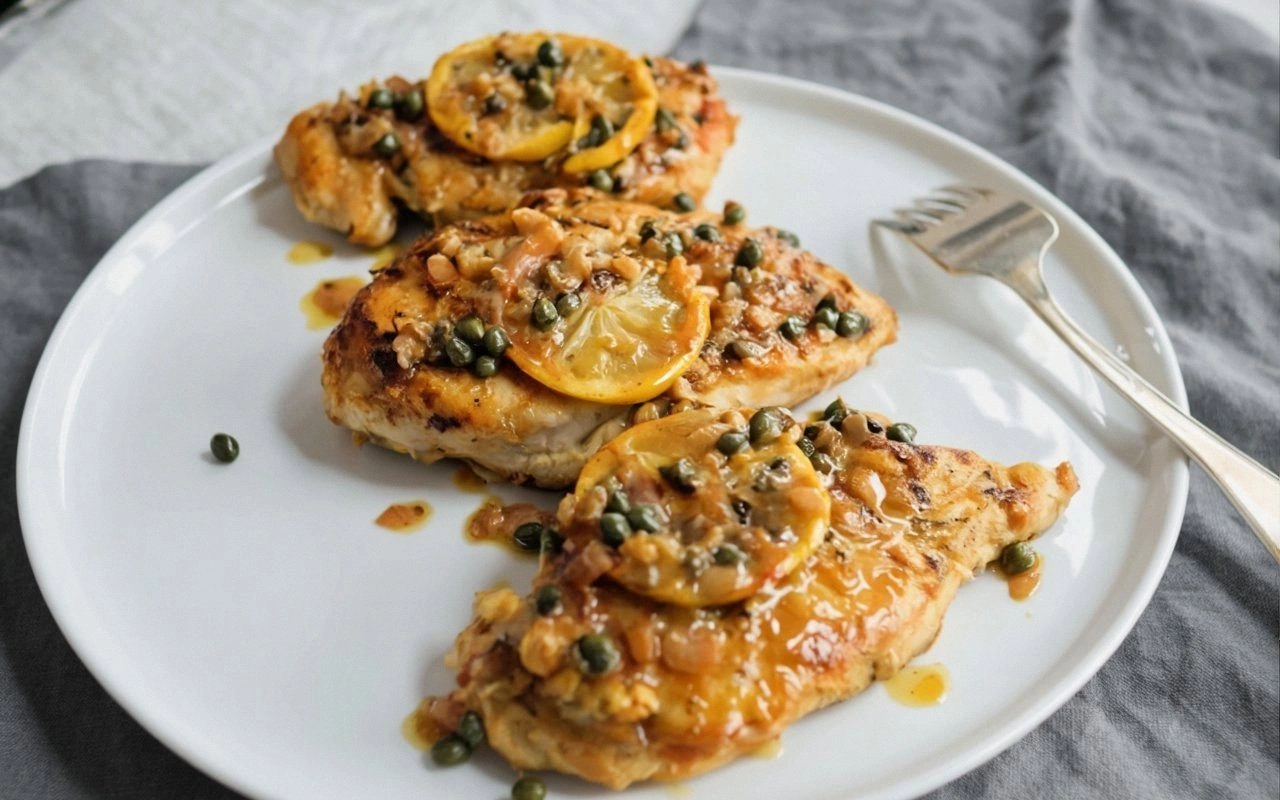
Picture the moment the chicken hits the hot skillet: a bright, satisfying sizzle that fills the kitchen with a savory perfume, the golden crust forming in a fraction of a minute. The aroma of garlic mingles with the sharp citrus of lemon, and you can almost taste the buttery finish before it even begins. I dare you to taste this and not go back for seconds—once the first bite melts on your tongue, you’ll know why this dish has become my go-to for impressing friends and family alike. The texture is a delicate balance: the exterior crisped to a buttery crunch, the interior tender and juicy, with a sauce that clings to every bite, like a velvety blanket that never feels heavy. If you’ve ever struggled to elevate a simple chicken breast, you’re not alone—and I’ve got the fix.
What sets this recipe apart is not just the flavor, but the method that guarantees consistency. Most recipes get this completely wrong by overcooking the chicken or using a sauce that’s either too thin or too thick. Here, the technique locks in moisture and ensures the sauce thickens just enough to coat without becoming syrupy. The use of tarragon and flat-leaf parsley brings a subtle herbaceous note that elevates the dish from ordinary to extraordinary. The lemon zest and juice provide a bright, almost citrusy lift that cuts through the richness of butter, creating a harmonious balance of flavors. Picture yourself pulling this out of the pan, the whole kitchen smelling incredible, and knowing you’ve just served a masterpiece.
Let me walk you through every single step—by the end, you’ll wonder how you ever made it any other way. We’ll start with a simple flour coating that gives the chicken a golden crust, then move on to a reduction that turns white wine into a silky sauce. I’ll share micro-challenges like how to keep the chicken from sticking, bold claims about the sauce’s texture, and a few kitchen hacks that save time and prevent common pitfalls. I’ll also sprinkle in some fun facts about the ingredients, because knowledge makes cooking more enjoyable. Ready? Let’s dive in.
What Makes This Version Stand Out
- Flavor: The combination of lemon zest, fresh lemon juice, and tarragon creates a bright, herbaceous profile that cuts through the richness of the butter and olive oil, leaving a lingering citrus aftertaste that keeps you coming back for more.
- Texture: The flour coating turns the chicken into a crisp, golden shell while keeping the inside tender; the sauce thickens to a silky coat that clings to each bite without becoming heavy.
- Simplicity: With only a handful of pantry staples and a straightforward technique, this recipe is accessible to cooks of all levels—no fancy equipment or obscure ingredients needed.
- Uniqueness: The subtle tarragon and flat-leaf parsley add a nuanced depth that distinguishes it from the typical lemon chicken, giving it a sophisticated, almost restaurant-quality feel.
- Crowd Reaction: Guests often remark on the “wow” factor of the golden crust and the buttery, citrusy sauce; it’s a dish that makes any dinner feel special.
- Ingredient Quality: Using fresh lemons, high-quality butter, and a good dry white wine elevates the dish from ordinary to gourmet.
- Cooking Method: The pan-sear and sauce reduction technique locks in juices and builds flavor, ensuring every bite is succulent.
- Make‑Ahead Potential: The chicken can be prepared in advance and reheated with a splash of stock, retaining its moisture and flavor.
Alright, let's break down exactly what goes into this masterpiece. First, the chicken. You’ll need two medium, boneless, skinless breasts that have been pounded to an even thickness; this ensures uniform cooking. Next, the coating. A simple flour mixture of all-purpose flour, kosher salt, and freshly ground black pepper gives the chicken a golden crust that’s both crisp and flavorful. Then, the aromatics. A single minced garlic clove adds depth, while the lemon zest and juice provide brightness. Finally, the sauce. A blend of dry white wine, chicken stock, and butter, finished with fresh herbs, creates a velvety, aromatic coating that will have you saying, “I can’t believe I’ve never made this before.”
Inside the Ingredient List
The Flavor Base
The dry white wine is the cornerstone of our sauce. It’s not just a liquid; it’s a flavor conduit, carrying the subtle notes of the herbs and the citrus. If you’re missing wine, a splash of chicken stock with a dash of lemon juice can mimic the acidity. However, a quality wine will make the sauce feel more complex and luxurious. Remember, the wine reduces by half, concentrating its flavor, so choose a wine you’d enjoy sipping on its own.
The Texture Crew
The flour coating is your secret weapon for achieving that coveted golden crust. The flour’s starch creates a barrier that locks in moisture, while the salt and pepper season the surface. If you prefer a gluten-free version, try a mixture of rice flour and cornstarch. A tip: pat the chicken dry before coating; excess moisture will cause the flour to clump and prevent a crisp finish.
The Unexpected Star
Tarragon leaves may seem like a minor detail, but they bring an earthy, slightly sweet flavor that balances the brightness of the lemon. If you’re not a fan of tarragon, fresh dill or basil can offer a different but equally delightful twist. The key is to use the leaves sparingly—two teaspoons are enough to infuse the sauce without overpowering it.
The Final Flourish
Fresh parsley and chives finish the dish with a burst of color and a clean, grassy note. These herbs cut through the richness of butter and add a layer of freshness. If you’re looking for a more robust flavor, a sprinkle of chopped cilantro or mint can be a fun experiment. The final flourish is all about balancing the dish, so add the herbs at the end to preserve their bright flavors.
Everything's prepped? Good. Let's get into the real action.
The Method — Step by Step
- Begin by patting the chicken breasts dry with paper towels. This step is crucial; moisture on the surface will prevent a golden crust. Season each breast with salt and pepper on both sides, then coat them lightly in the flour mixture. Shake off any excess flour to avoid clumps.
- Heat the olive oil in a large skillet over medium-high heat until it shimmers. Place the coated chicken breasts into the pan, skin side down if they have skin, and let them sear without moving them for 3-4 minutes. The edges should pull away from the pan, indicating a good sear.
- Flip the chicken and cook for another 3 minutes. The goal is a golden-brown crust on both sides while keeping the inside juicy. Don’t rush this step; a quick flip can lead to uneven cooking.
- Remove the chicken from the skillet and set it aside on a plate. Let it rest for a minute; this helps redistribute the juices throughout the meat.
- In the same skillet, add the minced garlic and sauté for about 30 seconds until fragrant. Be careful not to burn the garlic; it should just release its aroma.
- Deglaze the pan with the dry white wine, scraping up any browned bits from the bottom. These bits are packed with flavor and will enrich the sauce.
- Reduce the wine by half over medium heat, letting it thicken slightly. Then pour in the chicken stock, and let the mixture simmer until it reduces by about a third.
- Whisk in the butter, a tablespoon at a time, until the sauce becomes silky and glossy. Add the lemon zest, fresh lemon juice, tarragon leaves, parsley, and chives. Stir until everything is well incorporated.
- Return the chicken breasts to the skillet, spooning some sauce over them. Cook for an additional 2 minutes, allowing the chicken to absorb the flavors. The sauce should coat the meat, not pool.
- Finish with a pinch of flaky sea salt. Serve immediately, spooning the remaining sauce over the chicken. Pair with a simple green salad or a side of roasted potatoes to soak up the buttery lemon sauce.
That's it — you did it. But hold on, I've got a few more tricks that'll take this to another level. From adjusting the sauce consistency to plating tips, these insider tricks will ensure every bite is a triumph.
Insider Tricks for Flawless Results
The Temperature Rule Nobody Follows
Many cooks overcook chicken by cooking it on high heat for too long. The trick is to sear at medium-high to lock in juices, then finish cooking over medium heat. This ensures the chicken stays moist while the crust remains crisp. If you’re using a thicker cut, lower the heat slightly and extend the cooking time.
Why Your Nose Knows Best
The aroma of the sauce is a perfect indicator of readiness. When the butter emulsifies and the sauce thickens, it will emit a buttery, citrusy fragrance that signals it’s time to add the chicken back in. Trust your nose; if it smells slightly burnt, lower the heat.
The 5-Minute Rest That Changes Everything
Letting the chicken rest for 5 minutes after cooking allows the juices to redistribute throughout the meat. This simple step prevents the chicken from drying out when sliced. A friend once skipped this step and ended up with a dry center; the rest is a game-changer.
Use a Splatter Guard for a Cleaner Kitchen
Butter in a hot pan can splatter, creating a mess and potential burns. A splatter guard or a small lid can keep the oil contained while still allowing steam to escape. It’s a small investment that pays off in cleanliness.
Serve With a Quick Herb Sprinkle
Just before serving, add a light dusting of fresh parsley or chives. The fresh green contrast not only enhances the visual appeal but also adds a burst of fresh flavor that lifts the dish. It’s a simple touch that makes the meal feel elevated.
Creative Twists and Variations
This recipe is a playground. Here are some of my favorite ways to switch things up: Greek-Style. Swap the lemon zest for a splash of orange zest and add a handful of kalamata olives for a briny kick. Herb-Infused. Use rosemary or thyme instead of tarragon for a more earthy flavor profile. Spicy. Add a pinch of red pepper flakes to the sauce for a subtle heat that balances the citrus. Smoky. Incorporate a teaspoon of smoked paprika into the flour coating for a smoky undertone. Asian Twist. Replace the butter with sesame oil and finish the sauce with a splash of soy sauce and a sprinkle of sesame seeds.
Storing and Bringing It Back to Life
Fridge Storage
Store leftovers in an airtight container in the refrigerator for up to 3 days. The sauce will thicken slightly, so reheat gently on the stove, adding a splash of water or stock to loosen it back to its silky consistency.
Freezer Friendly
The dish freezes well for up to 2 months. Wrap the chicken and sauce separately in foil and place in a freezer bag. Thaw overnight in the refrigerator before reheating.
Best Reheating Method
Reheat on low heat, stirring frequently, and add a small amount of water or stock to maintain moisture. A quick microwave reheating in a covered dish also works, but be careful not to overcook the chicken.