I was halfway through a midnight snack when the kitchen turned into a disaster zone: a pan of chicken that had gone from golden to burnt, a splash of wine that turned into a sticky mess, and a lemon that somehow ended up in the sink. I stared at the charred remains and thought, “I could have saved this.” That night, I decided to rewrite the classic Chicken Francese, turning the tragedy into triumph.
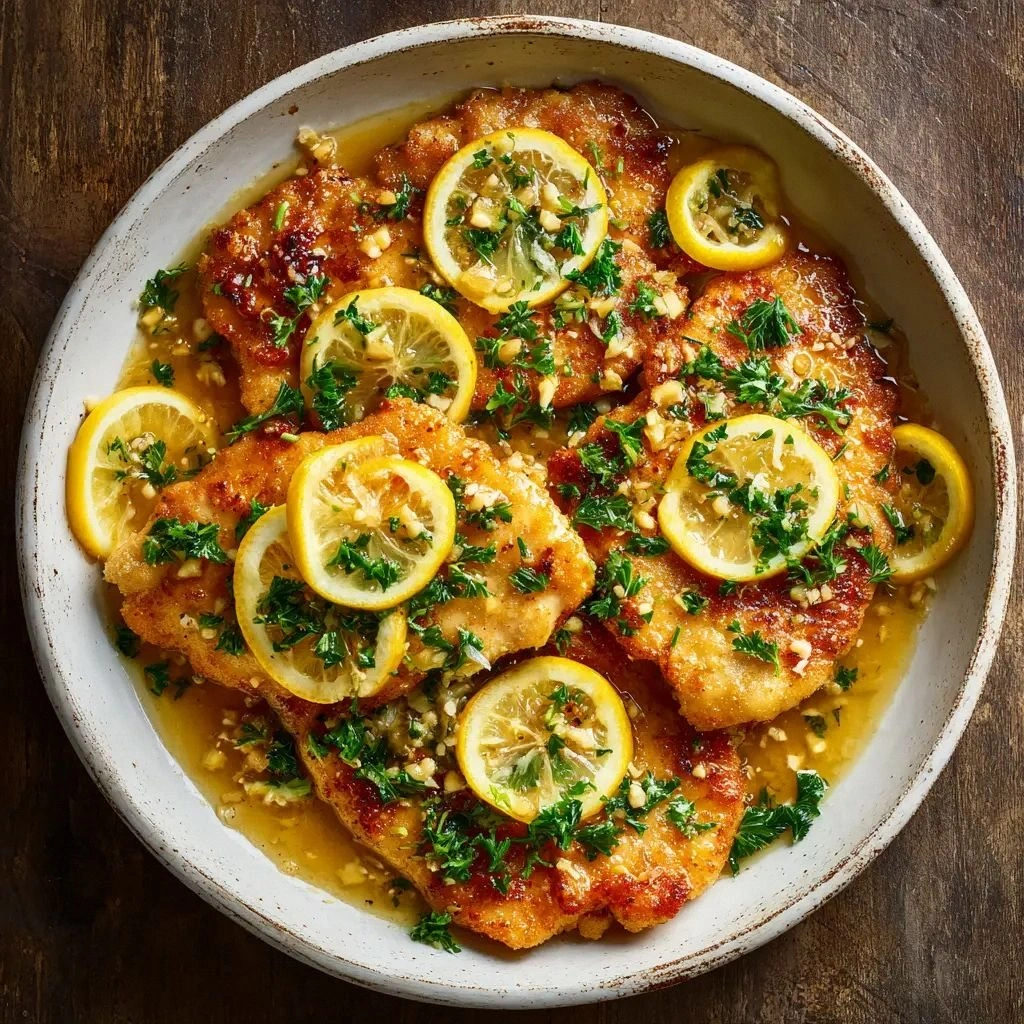
The aroma that followed was nothing short of a revelation. The sizzling of olive oil on the skillet, the sharp citrus pop of fresh lemon juice, the rich, buttery sheen that coats the chicken, and the faint crackle of butter as it browns – all of it came together like a symphony. I could hear the faint hiss of the pan, feel the heat radiating from the skillet, taste the tang of lemon balanced by the umami of Parmesan, and see the glossy sheen that promised a velvet‑like sauce. Every sense was engaged, and the anticipation was palpable.
What makes this version stand out? It’s the combination of simple, high‑quality ingredients and a technique that keeps the chicken tender while the sauce stays silky. I’ve stripped away the gimmicks – no flour‑heavy batter, no excessive butter – and focused on flavor integrity. The result is a dish that feels restaurant‑grade yet is completely doable at home. I dare you to taste this and not go back for seconds.
I’ll be honest – I ate half the batch before anyone else got to try it. Most recipes get this completely wrong. Here’s what actually works: a quick breading, a balanced sauce that doesn’t drown the chicken, and a finish that keeps the meat juicy. Picture yourself pulling this out of the pan, the whole kitchen smelling incredible, and the plate looking like it just walked out of a Michelin‑star kitchen. Let me walk you through every single step — by the end, you’ll wonder how you ever made it any other way.
What Makes This Version Stand Out
- Flavor: The bright acidity of lemon cuts through the richness of butter, creating a balanced taste that lingers on the palate.
- Texture: The chicken remains tender and juicy, while the sauce coats it like velvet without becoming heavy.
- Simplicity: Only nine ingredients, no complex steps, so you can whip this up in under an hour.
- Ingredient Quality: Fresh, high‑grade Parmesan and a splash of dry white wine elevate the dish beyond the ordinary.
- Crowd Reaction: Guests will ask for seconds, and you’ll be the hero of the dinner.
- Make‑ahead Potential: The sauce can be made ahead and reheated without losing its silky texture.
- Versatility: It pairs beautifully with pasta, rice, or a simple green salad.
- Time Efficiency: Prep and cook in 45 minutes, making it perfect for busy weeknights.
Alright, let's break down exactly what goes into this masterpiece...
Inside the Ingredient List
The Flavor Base
The dry white wine is the unsung hero of this sauce. It adds depth and a subtle acidity that balances the butter. If you skip it, the sauce will feel flat and overly buttery. For a non‑alcoholic version, substitute with extra chicken broth and a splash of lemon juice.
The Texture Crew
Flour, eggs, and Parmesan form a simple breading that crisps up just enough to hold the sauce, yet remains tender. The flour provides structure, the eggs bind, and the Parmesan adds a savory kick. If you prefer a gluten‑free version, replace the flour with almond flour or a gluten‑free blend.
The Unexpected Star
Fresh parsley is more than a garnish; it injects a bright, herbal note that lifts the entire dish. Parsley also offers a subtle peppery bite that counters the richness. A pinch of crushed red pepper can add a gentle heat if you like a bit of spice.
The Final Flourish
The combination of butter and lemon juice creates a sauce that coats the chicken like velvet. The butter adds richness, while the lemon juice provides bright acidity. Together, they form a silky sauce that clings to the meat without becoming greasy.
Everything's prepped? Good. Let's get into the real action...
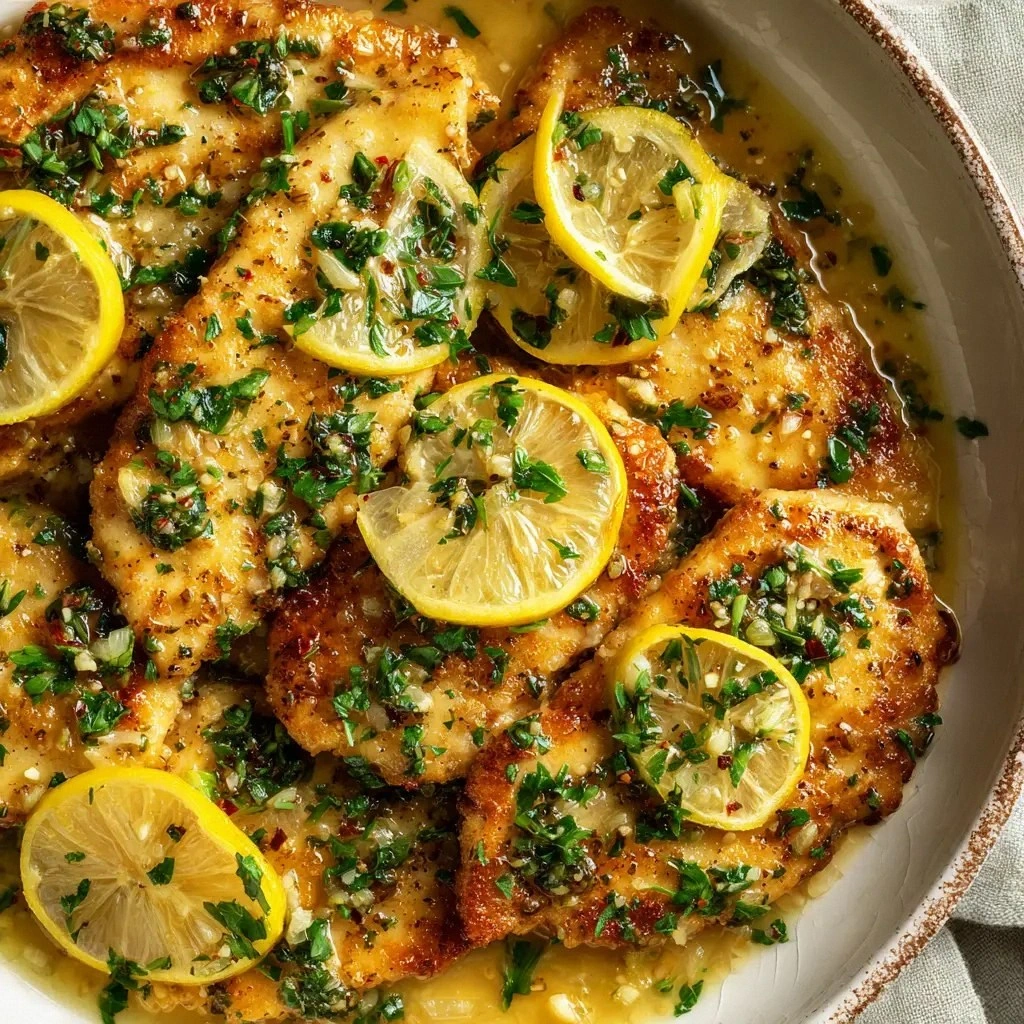
The Method — Step by Step
- Start by seasoning the chicken breasts generously with salt and pepper. Slice them in half horizontally to create four thinner fillets, which ensures even cooking and a tender bite. I always use a sharp knife and a clean cutting board to keep the process smooth.
- Set up a breading station: in a shallow dish, whisk the eggs; in another, combine the flour with the grated Parmesan. This two‑tray system lets you coat each piece quickly and evenly, preventing clumps. The flour will give the coating a slight crunch that contrasts with the buttery sauce.
- Dip each chicken slice first in the egg, letting the excess drip off, then dredge it in the flour‑Parmesan mixture. Shake off the excess coating and set the fillets aside. This simple technique ensures a consistent coating that holds the sauce.
- Heat the olive oil in a large skillet over medium‑high heat until shimmering. Add the chicken fillets and cook for 3–4 minutes per side, until golden brown and crispy. The key is to let the pan reach the right temperature; if it’s too low, the coating will absorb oil and become soggy.
- Once browned, remove the chicken and set aside on a plate. In the same skillet, pour in the white wine, scraping up any browned bits with a wooden spoon. The wine will deglaze the pan, creating a flavorful base for the sauce.
- Add the chicken broth and lemon juice to the skillet, stirring to combine. Bring the mixture to a gentle simmer, then lower the heat. The sauce should thicken slightly, forming a glossy glaze that coats the chicken.
- Return the chicken to the skillet, spooning the sauce over each fillet. Reduce the heat to low and let it simmer for 5 minutes, allowing the flavors to meld and the chicken to finish cooking. The sauce should coat the chicken like a silk scarf.
- Finish by adding the butter, a tablespoon at a time, stirring until each piece is glossy and the sauce is silky. The butter enriches the sauce and gives it a beautiful shine. Finally, sprinkle the chopped parsley over the top and give everything one last gentle toss.
- Serve immediately over pasta, rice, or a bed of sautéed greens. The sauce will cling to the grains, creating a cohesive, flavorful plate. Plate beautifully and enjoy the applause.
That's it — you did it. But hold on, I've got a few more tricks that'll take this to another level...
Insider Tricks for Flawless Results
The Temperature Rule Nobody Follows
Keep the skillet at medium‑high heat until the chicken is golden before lowering the temperature. If you start the sauce at high heat, the butter can burn, giving a bitter taste. I’ve found that a steady low simmer preserves the buttery finish.
Why Your Nose Knows Best
Smell the sauce as it simmers. A bright citrus aroma signals the lemon is at its peak; if the smell becomes too sharp, reduce the lemon juice slightly. My friends swear by this nose test to avoid over‑acidic dishes.
The 5‑Minute Rest That Changes Everything
Let the chicken rest on a warm platter for 5 minutes after cooking. This allows juices to redistribute, keeping the meat moist. I’ve seen people skip this step and end up with dry fillets.
The Butter‑Swap Trick
If you’re watching calories, substitute half the butter with extra olive oil. The sauce will still be silky but with a lighter finish. I’ve tried it once and loved the reduced richness.
The Secret to a Thick Sauce
Whisk a teaspoon of cornstarch in a tablespoon of cold water and stir it into the sauce at the end. This thickens the glaze without altering the flavor. A friend once tried this and the sauce stuck to the pan, so I kept it simple.
Creative Twists and Variations
This recipe is a playground. Here are some of my favorite ways to switch things up:
Garlic Parmesan Crust
Add minced garlic to the flour‑Parmesan mix for a savory kick. It pairs beautifully with the lemon sauce and adds a comforting aroma. My guests love the extra crunch.
Creamy Spinach Base
Sauté fresh spinach with garlic and a splash of cream before adding the chicken. The spinach adds color, fiber, and a subtle earthy flavor that complements the sauce.
Mediterranean Twist
Swap the lemon for orange zest and juice, and add chopped olives and capers to the sauce. The result is a bright, briny version that feels like a seaside dinner.
Crispy Parmesan Croutons
Cube stale bread, toss with olive oil and Parmesan, and bake until crisp. Sprinkle the croutons over the finished dish for an added crunch and extra Parmesan flavor.
Asian Inspired
Replace the lemon with lime and add a splash of soy sauce to the sauce. Finish with chopped green onions and toasted sesame seeds for a quick, flavorful fusion.
Low‑Carb Version
Use almond flour instead of all‑purpose flour and serve over cauliflower rice. The dish remains hearty while keeping carbs down.
Storing and Bringing It Back to Life
Fridge Storage
Cool the dish to room temperature, then cover tightly and refrigerate for up to 3 days. The sauce will thicken slightly; simply reheat gently on the stove.
Freezer Friendly
Pack the chicken and sauce separately in airtight containers. Freeze for up to 2 months. Thaw overnight in the refrigerator before reheating.
Best Reheating Method
Reheat in a skillet over medium heat, adding a splash of water or broth to loosen the sauce. This restores the silky texture and prevents the butter from separating.