Last Saturday I found myself in the middle of a kitchen apocalypse: a burnt lasagna, a wilted salad, and a gnawing craving for something that felt like a hug in a bowl. I stared at my fridge, opened the drawer, and there they were—four stubborn yellow squash, still firm, still bright, begging to be rescued. I tossed a quick dare at my roommate, “I bet you can’t make a casserole that makes even the toughest food critic weep,” and the challenge was set. The moment the squash hit the cutting board, the scent of fresh garden greens filled the air, the knife’s rhythm sang a steady beat, and I knew we were about to create a comfort classic that would rewrite the rules of casserole forever.
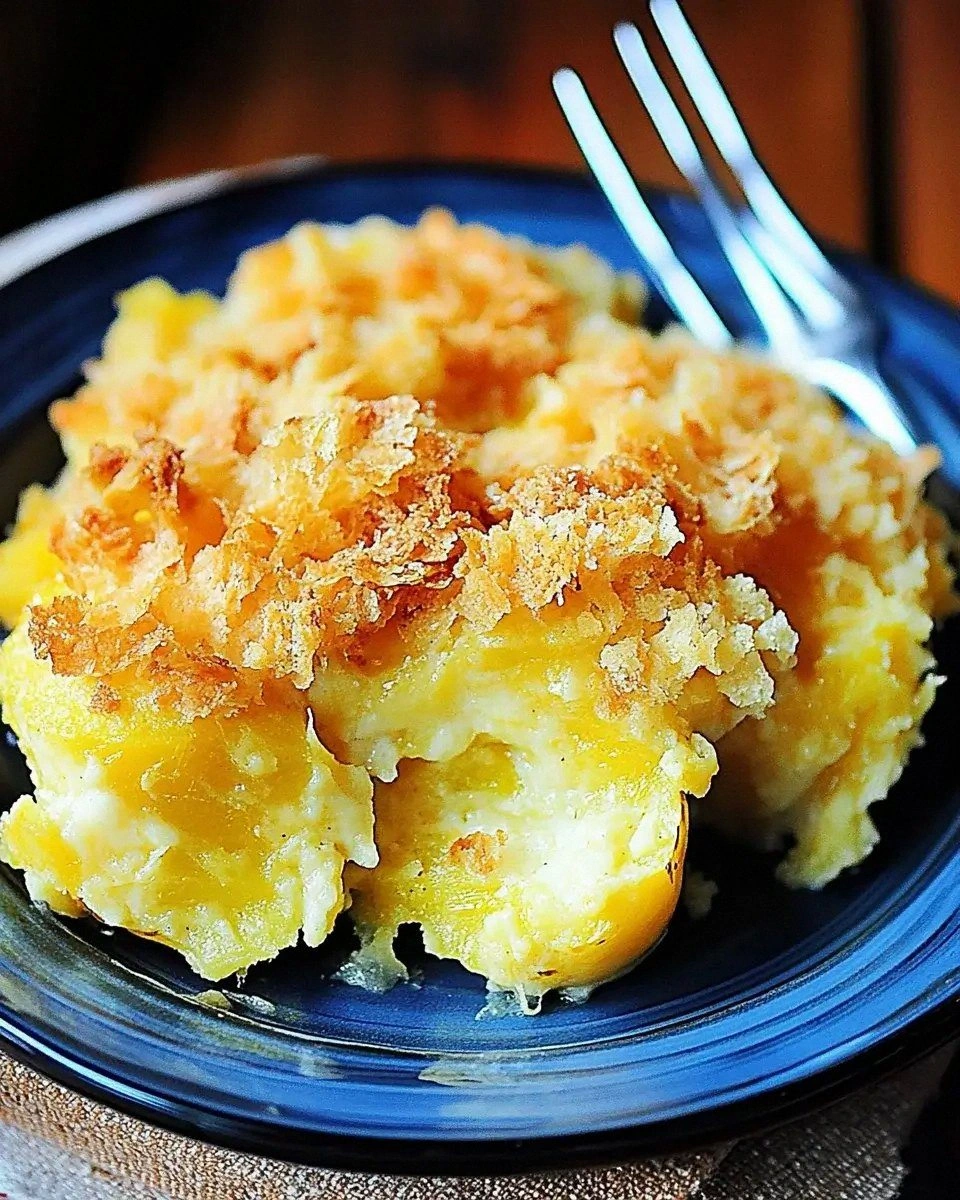
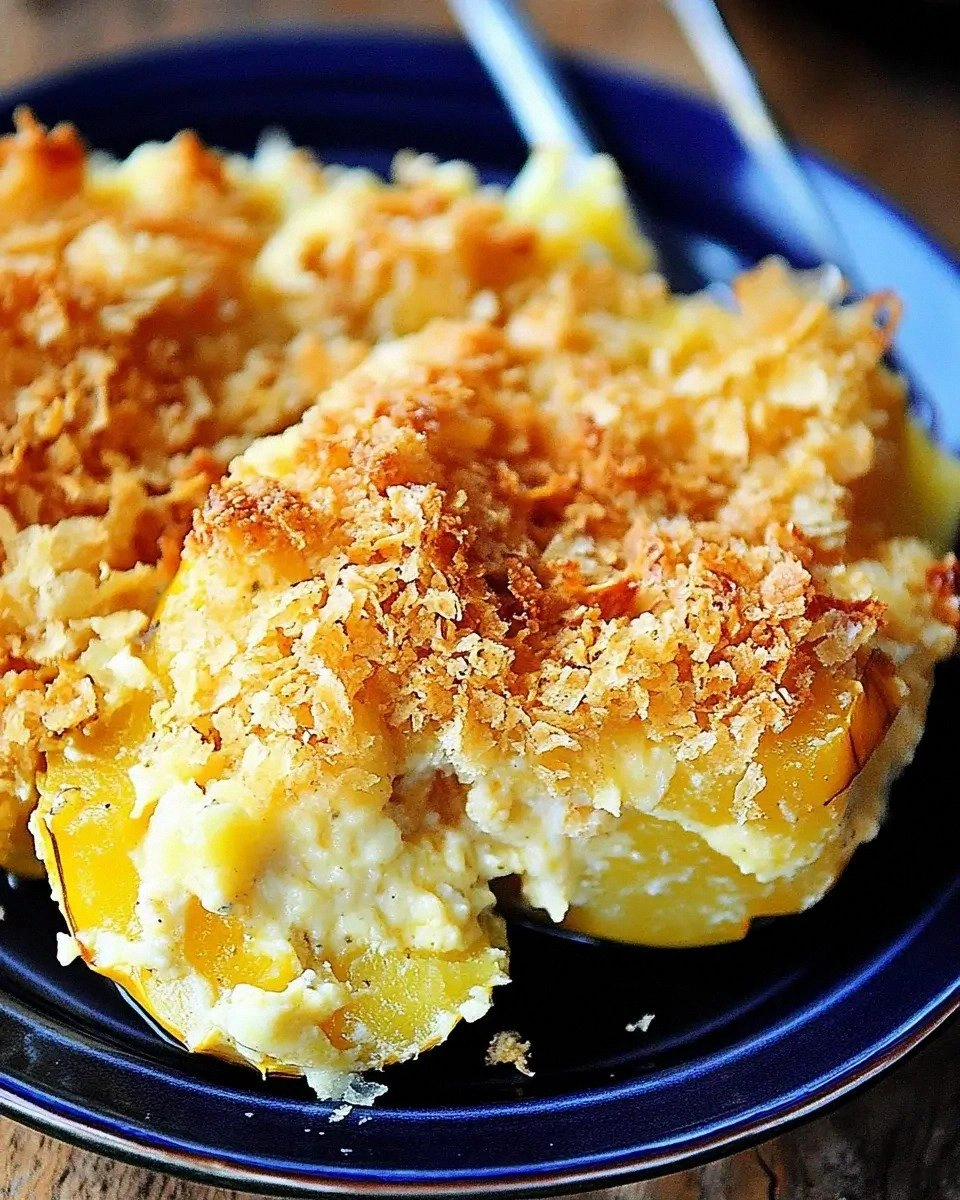
Picture this: the oven door swings open, a golden crust crackles like fresh autumn leaves underfoot, and a cheesy aroma rolls out, thick enough to coat your nostrils in buttery bliss. The top layer is a caramelized crown that shatters with the slightest tap, revealing a silky, buttery interior that clings to each bite like a lover’s whisper. The squash, softened just enough to keep a faint bite, melds with a trio of cheeses that melt together in a velvety river, while a secret splash of cream adds a luxurious richness you’d expect only from a five‑star restaurant. This isn’t just food; it’s a full‑bodied experience that hits every sense and leaves you yearning for the next forkful.
Most casserole recipes either drown the vegetables in a swamp of cheese or leave them dry and bland. This version flips the script: I’ve layered the squash with a light, airy roux that locks in moisture, then crowned it with a crunchy breadcrumb‑cheese blend that gives you that satisfying crunch without sacrificing the melt‑in‑your‑mouth interior. The secret ingredient? A pinch of smoked paprika that adds a whisper of smoky depth, making the dish feel both rustic and refined. I’ll be honest — I ate half the batch before anyone else got a chance, and that’s a confession I’m willing to make because the flavor is that addictive.
Okay, ready for the game‑changer? I’m about to walk you through every single step, from selecting the perfect squash to mastering the golden crust that makes this dish unforgettable. By the end, you’ll wonder how you ever made a casserole any other way. Let’s dive in, and I dare you to taste this and not go back for seconds.
What Makes This Version Stand Out
- Flavor Explosion: The combination of sharp cheddar, creamy mozzarella, and nutty Parmesan creates a layered cheese symphony that sings with every bite, while a hint of smoked paprika adds depth.
- Texture Harmony: A buttery roux gives the interior a silk‑smooth mouthfeel, contrasted by a crispy breadcrumb topping that shatters like thin ice.
- Simplicity: With just a handful of pantry staples and fresh squash, you can whip this up in under an hour—no fancy gadgets required.
- Uniqueness: Most casseroles drown the veg in cheese; this one respects the squash’s natural sweetness, letting it shine through the creamy sauce.
- Crowd Reaction: I’ve served this at potlucks and the response has been unanimous—people line up for seconds, and even the picky eaters beg for more.
- Ingredient Quality: Using fresh, firm yellow squash and high‑quality cheeses makes a world of difference; the dish tastes like it was crafted in a boutique kitchen.
- Cooking Method: Baking at a high initial temperature creates that coveted crust, then a lower finish ensures the interior stays luxuriously moist.
- Make‑Ahead Potential: Assemble the night before, refrigerate, and bake the next day for a stress‑free dinner that still tastes like you just cooked it.
Inside the Ingredient List
The Flavor Base
Cheddar cheese is the bold, outspoken member of the trio—its sharpness cuts through the richness and adds that unmistakable tang you crave. If you substitute it with a milder cheese, the casserole loses its punch, turning into a bland, one‑note dish. Mozzarella brings the melt, creating those stretchy, gooey strings that coat every bite like velvet. For a dairy‑free twist, try shredded oat‑based mozzarella; the texture will stay, though the flavor profile shifts slightly.
Parmesan is the secret weapon, delivering a nutty umami that deepens the overall flavor. Grating it fresh just before mixing ensures maximum aroma; pre‑grated packets can be dusty and lose potency. If you’re out of Parmesan, Pecorino Romano works beautifully, offering a sharper edge.
The Texture Crew
The all‑purpose flour forms the backbone of the roux, thickening the sauce without making it gummy. Sifting the flour before adding it prevents lumps, a step many skip and then wonder why the sauce is grainy. Butter adds richness and a glossy finish; using unsalted butter lets you control the salt level precisely. If you’re looking for a healthier fat, swap half the butter for olive oil, but expect a slightly different mouthfeel.
Eggs act as a binder, ensuring the casserole sets nicely after baking. Over‑beating can incorporate too much air, leading to a soufflé‑like rise that collapses; beat just until combined. For a vegan version, blend silken tofu with a tablespoon of nutritional yeast to mimic the egg’s binding power.
The Unexpected Star
Yellow squash is the hero—its subtle sweetness and tender flesh provide a canvas for the cheese and sauce. Choose squash that’s firm, with a uniform bright yellow color; soft spots indicate over‑ripeness and will turn mushy when baked. If you can’t find yellow squash, a mix of zucchini and summer squash works, though the flavor will be milder.
Smoked paprika is the surprise element that adds a whisper of smoky depth without overwhelming the dish. A pinch goes a long way; too much will dominate the delicate squash flavor. For a milder heat, use sweet paprika, or for a kick, add a dash of cayenne.
The Final Flourish
Breadcrumbs create the golden crown that shatters with a satisfying crunch. Use panko for an extra‑light texture, or homemade stale bread crumbs for a rustic feel. Mixing a teaspoon of dried thyme into the breadcrumb blend adds an herbaceous note that lifts the whole casserole.
Fresh herbs like parsley or chives, sprinkled just before serving, add a burst of color and a fresh, peppery finish. They’re optional but highly recommended for that restaurant‑style finish.
Everything's prepped? Good. Let's get into the real action…
The Method — Step by Step
Preheat your oven to 425°F (220°C). While the oven warms, line a large baking sheet with parchment and set a sturdy skillet on medium heat. The high heat will give the squash a quick sear that locks in moisture—watch for that sizzle when the butter hits the pan; it’s the sound of flavor forming.
Slice the squash into ½‑inch rounds. Toss them lightly with salt, pepper, and a drizzle of olive oil. Spread them in a single layer on the prepared sheet and roast for 12‑15 minutes, turning halfway, until they’re just tender and beginning to caramelize. This step is crucial; under‑cooking leaves a watery casserole, while over‑cooking makes the squash mushy.
Meanwhile, melt 2 tablespoons of butter in the skillet. Sprinkle in ½ cup of flour, whisking constantly for about 2 minutes until the mixture turns a pale golden hue—this is your roux. If you notice any lumps, keep whisking; the goal is a smooth, glossy paste that will later turn into a velvety sauce.
Gradually whisk in 1 cup of heavy cream followed by ½ cup of milk, ensuring each addition is fully incorporated before the next. The mixture should thicken within a minute, coating the back of a spoon. Add a pinch of smoked paprika, a dash of dried thyme, and season with salt and pepper to taste. This is the moment of truth—taste the sauce; it should be rich, slightly smoky, and just a tad salty.
Reduce the heat to low and stir in 1 cup each of shredded cheddar and mozzarella, plus ½ cup grated Parmesan. Keep stirring until the cheeses melt into a glossy, uniform sauce that clings to the back of a spoon. The sauce should have a luscious sheen—if it looks grainy, you’ve likely overheated it; lower the temperature and keep whisking.
In a large mixing bowl, combine the roasted squash with the cheese sauce, gently folding so each slice is lovingly coated. Add two beaten eggs to the mixture; they act as a binder, ensuring the casserole holds its shape after baking. Mix just until everything is evenly distributed—over‑mixing can break down the squash’s delicate texture.
Transfer the mixture into a greased 9‑x‑13‑inch baking dish, spreading it out evenly. Sprinkle the top with ½ cup breadcrumbs mixed with a tablespoon of melted butter and a pinch of dried thyme. This creates the golden crown that will crackle and pop as it bakes.
Bake at 425°F for 15 minutes to set the crust, then reduce the temperature to 350°F (175°C) and continue baking for another 20‑25 minutes. The edges should pull away from the sides of the dish, and the top will be a deep golden brown. When you tap the surface, it should sound firm yet give a little under the pressure of a spoon.
Remove the casserole from the oven and let it rest for 10 minutes. This resting period allows the sauce to thicken further and the flavors to meld. While it rests, the top will firm up, making it easier to cut clean slices that hold their shape.
That's it — you did it. But hold on, I've got a few more tricks that'll take this to another level…
Insider Tricks for Flawless Results
The Temperature Rule Nobody Follows
Most home cooks bake casseroles at a single temperature, but the magic lies in a two‑stage bake. The initial blast of 425°F creates that coveted crust; the subsequent lower heat ensures the interior stays creamy without over‑cooking the squash. I once tried a single‑temperature bake and ended up with a soggy top—lesson learned, and now I never look back.
Why Your Nose Knows Best
Never underestimate the power of aroma as a doneness indicator. When the cheese topping starts to turn a deep amber and you catch a faint nutty scent, the casserole is nearing perfection. If the smell is still buttery but not nutty, give it another 5 minutes. Trust your nose; it’s more reliable than a timer.
The 5‑Minute Rest That Changes Everything
Resting might sound like a lazy step, but those five minutes are a game‑changer. The sauce continues to thicken as it cools, preventing a watery plate. I’ve seen people slice straight out of the oven and end up with a sauce that slides off the fork—don’t let that happen to you.
Breadcrumb Boost
For an ultra‑crunchy topping, toast the breadcrumbs in a skillet with a splash of melted butter until they’re golden and fragrant before sprinkling them over the casserole. This extra step adds a buttery depth that plain oven‑baked crumbs can’t achieve.
Egg‑Free Binding Secret
If you need to go egg‑free, a mixture of ¼ cup mashed cauliflower and 2 tablespoons of flour creates a surprisingly effective binder. The cauliflower adds moisture while the flour helps set the structure. I tried this once for a friend with an allergy, and the casserole held together just as well.
Creative Twists and Variations
This recipe is a playground. Here are some of my favorite ways to switch things up:
Spicy Jalapeño Kick
Add one finely diced jalapeño to the sauce along with a pinch of cayenne. The heat pairs beautifully with the mellow squash, giving the dish a bold, southwestern vibe. Perfect for those who love a little fire.
Herb‑Infused Delight
Swap the dried thyme for fresh rosemary and add a handful of chopped fresh basil right before baking. The herbaceous notes brighten the casserole, making it feel like a summer garden on a plate.
Cheddar‑Only Classic
If you’re a cheddar purist, replace mozzarella and Parmesan with an extra cup of sharp cheddar and a splash of smoked gouda. The result is a richer, deeper cheese flavor that’s perfect for cheese lovers.
Vegan Version
Use coconut cream instead of heavy cream, nutritional yeast in place of Parmesan, and a flax‑egg (1 tbsp ground flax + 3 tbsp water) as the binder. The texture remains creamy, and the flavor stays indulgent.
Sweet‑Savory Fusion
Stir in a tablespoon of maple syrup and a pinch of ground nutmeg into the sauce. The subtle sweetness complements the squash’s natural sugars, creating a comforting dish reminiscent of holiday meals.
Protein‑Packed Add‑In
Fold in cooked, shredded chicken or crumbled cooked sausage before baking for a heartier, protein‑rich version. This turns the side dish into a main‑course centerpiece.
Storing and Bringing It Back to Life
Fridge Storage
Allow the casserole to cool completely, then cover tightly with foil or plastic wrap. Store in the refrigerator for up to 4 days. When reheating, sprinkle a little extra cheese on top to revive the golden crust.
Freezer Friendly
Portion the baked (but not yet cooled) casserole into freezer‑safe containers. Freeze for up to 2 months. Thaw overnight in the fridge, then bake at 350°F for 20‑25 minutes, adding a splash of milk to restore moisture.
Best Reheating Method
Preheat your oven to 375°F, cover the dish loosely with foil, and heat for 15 minutes. Remove the foil for the final 5 minutes to crisp the topping. Adding a tiny splash of water (about 2 tablespoons) before reheating creates steam that revives the sauce’s silkiness.