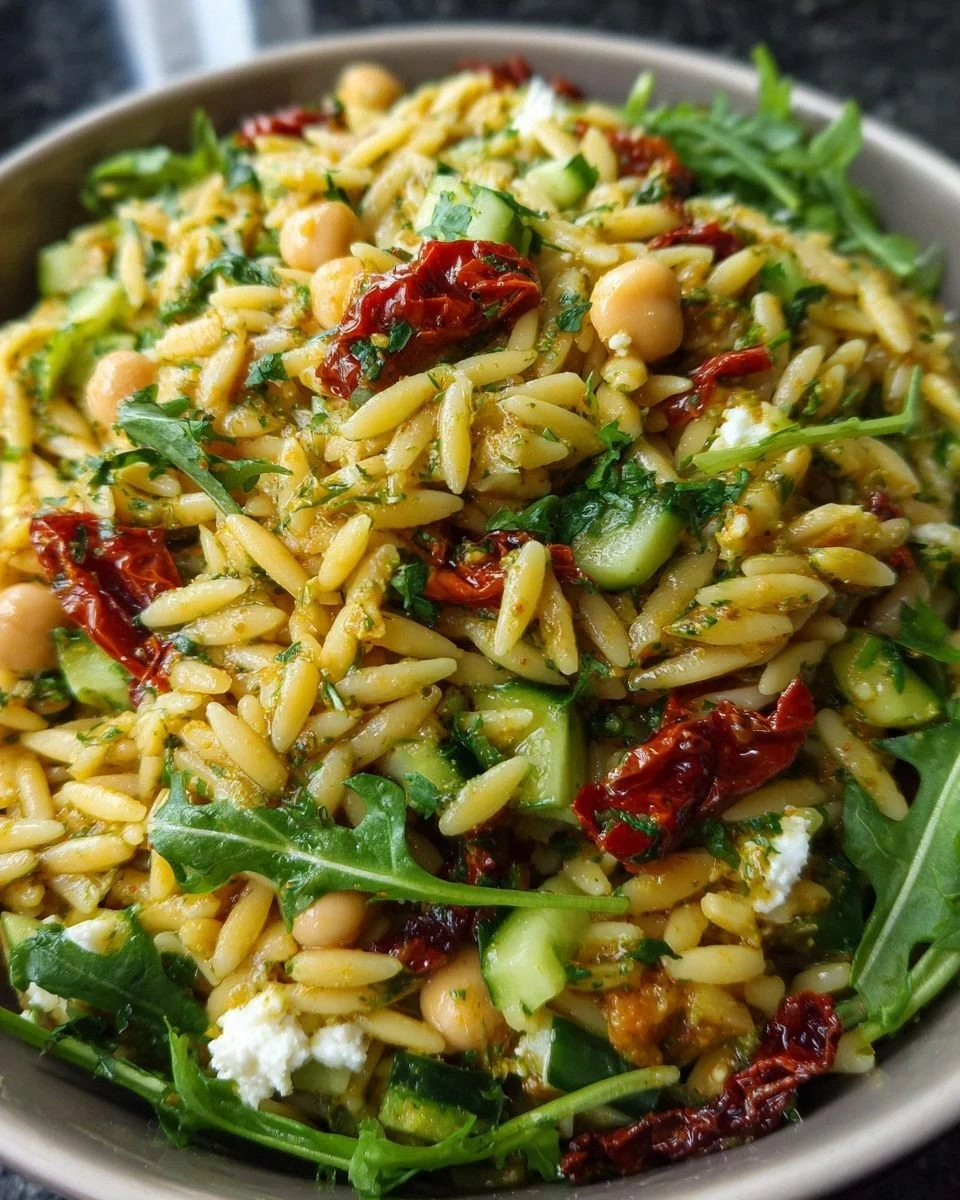
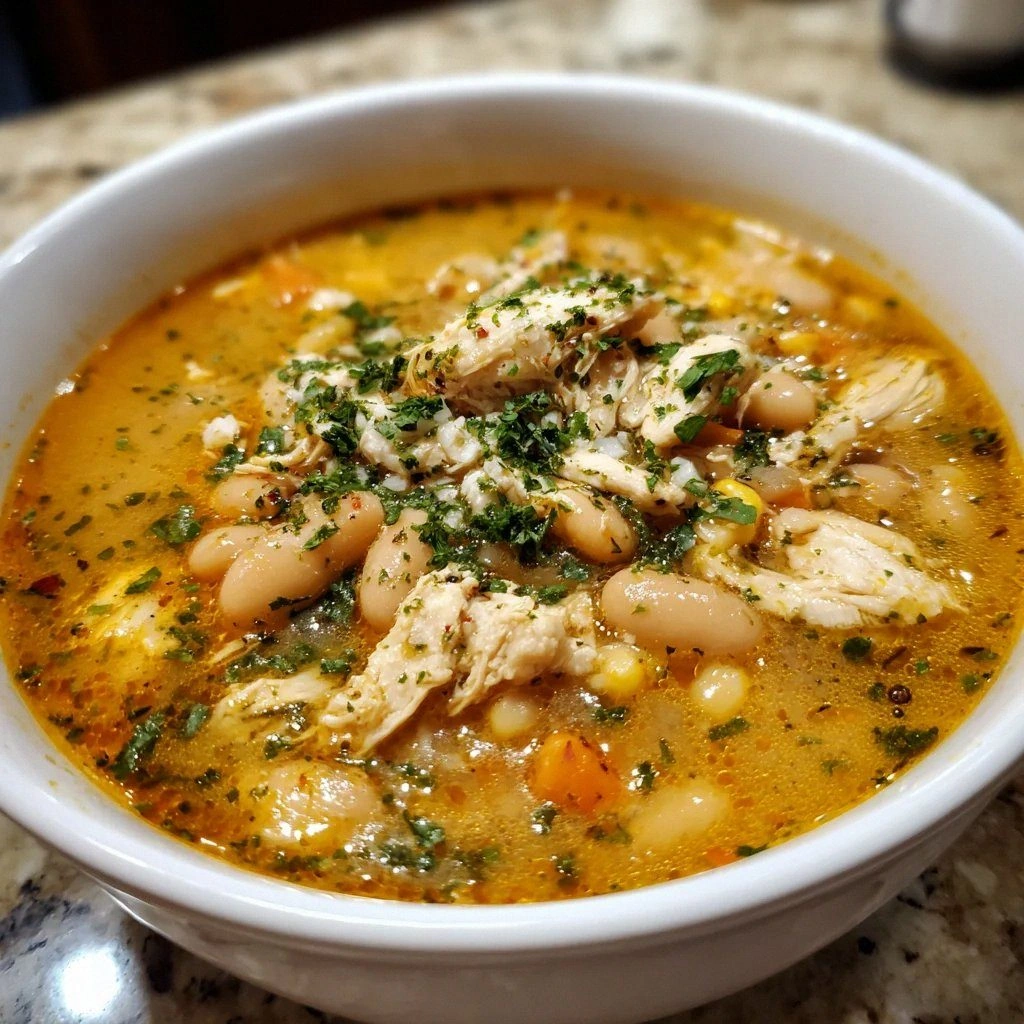
Okay, picture this: it’s a rainy Thursday night, the kind where the only thing louder than the thunder is the growl in your stomach. I was halfway through a bag of chips, feeling guilty, when my roommate dared me to “make something that actually *sounds* like a hug.” I laughed, I scoffed, and then I remembered that half‑cooked rotini I’d tossed in the fridge three days ago. I tossed it into a pot, threw in two chicken breasts I’d been meaning to grill, and—boom—something magical happened. That moment, that sizzle, was the birth of what I now call the Cheesy Cajun Chicken Twisted Pasta in Creamy Alfredo Bliss, and trust me, it’s the culinary equivalent of finding a golden ticket in a chocolate bar.
The kitchen turned into a symphony of sounds: the olive oil hissing like a tiny fireworks display, the Cajun seasoning crackling as it hit the hot pan, and that deep, buttery murmur of the cream as it started to thicken. My nose was assaulted—in the best way possible—by the smoky paprika and the bright zing of lemon juice, while the sight of the pasta turning a glossy, ivory‑gold hue made my eyes water (the good kind, not the onion‑cutting kind). The texture? Imagine the pasta hugging the sauce like a velvet glove, the chicken pieces crisp on the outside yet juicy inside, and the cheese melting in a way that feels like a warm blanket on a cold day. When I finally took that first bite, the flavors collided like fireworks over a midnight sky, and I was instantly convinced this was the best version you’ll ever make at home.
What sets this dish apart from the gazillion other “creamy chicken pasta” recipes out there? Most of them either drown the chicken in sauce or forget the spice entirely, leaving you with a bland, watery mess. My secret? A precise balance of Cajun heat, lemon brightness, and a double‑cheese combo that creates a sauce so rich it practically glistens. And there’s a technique you won’t find in any generic recipe: I finish the sauce with a splash of pasta water *and* a quick flash‑sear of the chicken in the same pan, which locks in flavor and gives the sauce that silky, cling‑to‑every‑twist texture. I dare you to taste this and not go back for seconds.
Let me walk you through every single step — by the end, you’ll wonder how you ever made it any other way. Okay, ready for the game‑changer? This next part? Pure magic. Stay with me here — this is worth it.
⚡ What Makes This Version Stand Out
- Taste Explosion: The Cajun seasoning brings a smoky heat that dances with the buttery, cheesy sauce, creating a flavor profile that’s bold yet comforting.
- Texture Harmony: Al‑dente rotini provides a perfect bite, while the chicken stays juicy, and the sauce coats every curve like velvet.
- Simplicity Meets Sophistication: Only ten ingredients, but each one is used with intention, so you get a restaurant‑quality dish without the fuss.
- Unique Ingredient Pairing: Lemon juice cuts through the richness, preventing the sauce from feeling heavy, and the double‑cheese blend adds depth.
- Crowd‑Pleaser Factor: Even the pickiest eaters love the cheesy pull and the subtle kick; it’s a guaranteed hit at dinner parties.
- Quality First: Using fresh, high‑quality chicken breasts and real butter makes the difference between “good” and “mind‑blowing.”
- One‑Pan Efficiency: By cooking the chicken and sauce in the same pan, you build layers of flavor without extra dishes.
- Make‑Ahead Potential: This dish reheats beautifully, and the flavors actually improve after a few hours in the fridge.
Alright, let's break down exactly what goes into this masterpiece...
🍋 Inside the Ingredient List
The Flavor Base
2 tablespoons Olive Oil: This is your cooking canvas. It has a high smoke point, so it sears the chicken without burning, and it adds a subtle fruitiness that balances the Cajun heat. If you swap it for avocado oil, you’ll get an even higher smoke point, but you’ll lose a bit of that Mediterranean whisper.
1 tablespoon Cajun Seasoning: The heart‑and‑soul of this dish. It brings paprika, garlic, onion, and a pinch of cayenne that gives that signature southern kick. Skipping it would make the whole thing feel like plain alfredo—delicious, but missing the party.
1 teaspoon Garlic Powder & 2 cloves Garlic: One gives a consistent background note, the other adds fresh, aromatic bursts when sautéed. If you’re out of garlic powder, use an extra clove and a pinch of minced shallot.
The Texture Crew
8 ounces Rotini Pasta: Its spirals trap sauce like a sponge, ensuring every bite is coated. You could use fusilli or farfalle, but rotini’s grooves are unbeatable for sauce cling.
4 tablespoons Unsalted Butter: Butter is the foundation of the alfredo, giving it that silky mouthfeel. Use European‑style butter for a richer flavor; if you only have salted, cut the added salt in the seasoning.
1 cup Heavy Cream & ½ cup Whole Milk: The cream provides body, the milk lightens it just enough to keep the sauce from feeling like a dairy wall. A low‑fat substitute will make it watery, so stick with the full‑fat duo.
The Unexpected Star
1 tablespoon Lemon Juice: This tiny splash brightens the entire dish, cutting through the richness and preventing the cheese from feeling cloying. If you’re out of lemons, a splash of white wine vinegar works in a pinch, but the citrus zing is irreplaceable.
1 cup Mozzarella Cheese & ½ cup Parmesan Cheese: Mozzarella melts into gooey strings, while Parmesan adds a nutty, salty depth. Skipping mozzarella will make the sauce less stretchy; skipping Parmesan will make it taste flat.
The Final Flourish
2 tablespoons Parsley: Fresh parsley adds a pop of color and a herbaceous finish that lifts the heaviness. If you love basil, feel free to swap half of it for a sweet note.
2 large Chicken Breasts: The protein anchor. Choose skinless, boneless breasts for even cooking; if you grab thighs, you’ll get more flavor but a different texture.
1 teaspoon Smoked Paprika, 1 teaspoon Black Pepper, 1 teaspoon Salt: These seasonings build layers. Smoked paprika adds depth, black pepper adds bite, and salt amplifies every flavor. Over‑salting is easy, so taste as you go.
Everything's prepped? Good. Let's get into the real action...

🔥 The Method — Step by Step
First, pat the chicken breasts dry with paper towels—dryness is the secret to a good sear. Drizzle the 2 tablespoons of olive oil over both sides, then sprinkle the Cajun seasoning, garlic powder, smoked paprika, black pepper, and salt. Add the lemon juice and rub everything in, making sure every nook is coated. Let the chicken rest for ten minutes; this short marination lets the flavors penetrate without cooking the meat.
While the chicken is chilling, bring a large pot of salted water to a rolling boil. Toss in the 8 ounces of rotini and stir immediately to prevent sticking. Cook until al dente—about 9 minutes—then reserve one cup of the starchy cooking water before draining. That reserved water is liquid gold for the sauce.
🪄 Kitchen Hack: Add a pinch of the pasta water to the sauce gradually; it helps emulsify and gives the sauce that glossy finish.Heat a large skillet over medium‑high heat. Once hot, add a splash more olive oil if the pan looks dry, then lay the chicken breasts down. You’ll hear a satisfying sizzle—Chef’s kiss. Cook for 4‑5 minutes per side, or until the edges turn golden and the interior reaches 165 °F. Transfer the chicken to a cutting board and let it rest; this locks in juices.
Now, the sauce. Reduce the heat to medium and melt the 4 tablespoons of unsalted butter in the same skillet, scraping up any browned bits (those are flavor fireworks). Add the two minced garlic cloves and sauté for about 30 seconds until fragrant—watch out, garlic burns faster than you think!
Pour in the heavy cream and whole milk, stirring continuously. Let the mixture come to a gentle simmer; you’ll see tiny bubbles forming around the edges—this is the point where the sauce starts to thicken.👀 Watch Out: If the cream hits a hot spot, it can curdle. Keep the heat moderate and stir constantly.Time for the cheesy crescendo. Sprinkle in the mozzarella first, letting it melt into silky ribbons. Then add the Parmesan, stirring until the sauce is smooth and glossy. If it looks too thick, whisk in a splash of the reserved pasta water until you achieve a velvety consistency that coats the back of a spoon.
🪄 Kitchen Hack: Grate Parmesan fresh; pre‑grated cheese contains anti‑caking agents that can make the sauce grainy.Add the cooked rotini straight into the sauce, tossing gently to ensure every twist is enveloped. If the sauce seems clingy, drizzle in a bit more pasta water—remember, you’re building an emulsion, not a soup. Let the pasta sit in the sauce for a minute; this allows the starches to bind and the flavors to meld.
Slice the rested chicken into bite‑size strips—think “hand‑pullable” pieces that will nestle into the pasta. Toss the chicken strips into the pan, sprinkle the chopped parsley, and give everything a final, loving stir. Taste and adjust salt or pepper if needed; the dish should sing with a balanced heat, a hint of citrus, and a buttery richness.
Plate the pasta in shallow bowls or a large serving platter. Garnish with an extra sprinkle of Parmesan and a drizzle of olive oil for shine. That final visual? It looks like a rustic Italian masterpiece meets Southern comfort food. And now the fun part—dig in and watch your friends' eyes widen. That sizzle when it hits the pan? Chef’s kiss.
That's it — you did it. But hold on, I've got a few more tricks that'll take this to another level...
🏆 Insider Tricks for Flawless Results
The Temperature Rule Nobody Follows
Never, ever crank the heat to “max” when you’re building the Alfredo sauce. Medium‑low heat allows the dairy to thicken slowly without curdling, and it gives the butter a chance to meld with the cream. I once tried a high‑heat shortcut; the sauce split like a bad breakup, and I spent the night rescuing it with a whisk and a splash of milk. Keep the temperature steady, and you’ll get a sauce that clings to the pasta like a lover’s embrace.
Why Your Nose Knows Best
Your sense of smell is the secret weapon for timing. When the butter starts to foam and the garlic releases its perfume, you’re at the perfect moment to add the cream. If you wait too long, the butter will brown and give a bitter note; too early and the garlic will scorch. Trust that nose of yours—it’s smarter than any timer.
The 5‑Minute Rest That Changes Everything
After searing the chicken, let it rest for at least five minutes before slicing. This short pause lets the juices redistribute, preventing a dry, sad chicken slice. I’ve seen novices cut straight away, only to watch the juices run onto the plate, leaving the meat dry. Resting is the quiet hero that makes each bite succulent.
Pasta Water Alchemy
Never underestimate the power of that starchy pasta water. It acts as a natural thickener and helps the sauce emulsify, giving it that glossy, restaurant‑quality finish. Add it a little at a time, stirring constantly, until the sauce reaches a silk‑smooth sheen. The result? A sauce that sticks to every curve of the rotini without sliding off.
Finish with Fresh Herbs
A final sprinkle of fresh parsley does more than add color; it introduces a bright, herbaceous note that lifts the richness. If you have basil, mint, or even a hint of cilantro, feel free to experiment. Fresh herbs also add a subtle crunch that contrasts the creamy sauce beautifully.
🎨 Creative Twists & Variations
This recipe is a playground. Here are some of my favorite ways to switch things up:
Spicy Chipotle Kick
Swap the Cajun seasoning for chipotle powder and a dash of adobo sauce. The smoky heat deepens, and the adobo adds a subtle sweetness. Perfect for those who love a smoky‑fire flavor profile.
Mediterranean Breeze
Replace the Cajun mix with dried oregano, thyme, and a pinch of crushed red pepper. Add sun‑dried tomatoes and a handful of Kalamata olives. The result is a sun‑kissed pasta that feels like a seaside vacation.
Cheesy Bacon Bliss
Crumble cooked bacon into the sauce and sprinkle extra mozzarella on top before serving. The salty crunch of bacon pairs beautifully with the creamy cheese, turning the dish into a comfort‑food anthem.
Vegan Dream
Swap chicken for marinated tofu cubes, use olive oil‑based vegan butter, and replace dairy with coconut cream and nutritional yeast. The flavors stay bold, and the texture stays satisfying—no animal products required.
Herb‑Infused Alfredo
Blend fresh basil, sage, and a touch of rosemary into the cream before simmering. This herb‑infused sauce adds an aromatic depth that feels like a garden in your mouth.
❄️ Storing & Bringing It Back to Life
Fridge Storage
Cool the leftovers to room temperature within two hours, then transfer to an airtight container. It will keep fresh for up to three days. When reheating, add a splash of milk or water and stir gently to revive the sauce’s silkiness.
Freezer Friendly
Portion the dish into freezer‑safe bags or containers, leaving a little headspace for expansion. Freeze for up to two months. Thaw overnight in the fridge, then reheat on the stovetop over low heat, again adding a splash of water to bring back that glossy coat.
Best Reheating Method
The stovetop wins every time. Warm a skillet over medium heat, add the pasta, and drizzle a tablespoon of water or broth. Toss continuously until the sauce re‑emulsifies. Microwaving works in a pinch, but you risk uneven heating and a rubbery texture.