I was in the middle of a dinner party, the oven door was open too long, and the onions I was sautéing had already turned to a bitter, burnt mess. The kitchen was a whirlwind of caramel aromas, sizzling sounds, golden threads glistening on the pan, sticky oil that clung to my fingers, and the taste of smoky sweetness that lingered in the air. My guests were looking at me with a mix of anticipation and bewildered curiosity, and I knew I had to turn that disaster into a triumph. That moment sparked a daring experiment: what if I could coax those onions into a silky, deep‑brown glaze that would pair perfectly with a rich, melting Gruyère? The idea was simple, but the execution demanded precision.
Picture the kitchen: a gentle hum of the refrigerator, the clatter of utensils, the faint hum of the oven preheating, and the unmistakable scent of caramelized onions that wafted through the room like a promise. The visual feast begins with the onions, sliced thin, their translucent layers slowly turning amber as they cook. The sound is a satisfying sizzle, a rhythmic crackle that signals the Maillard reaction is underway. Touching the pan, you feel the heat radiating, a steady warmth that encourages the onions to release their natural sugars. And when you take a bite, the onions burst with sweet, buttery flavor, their edges crisping into a gentle crunch that contrasts with the creamy cheese.
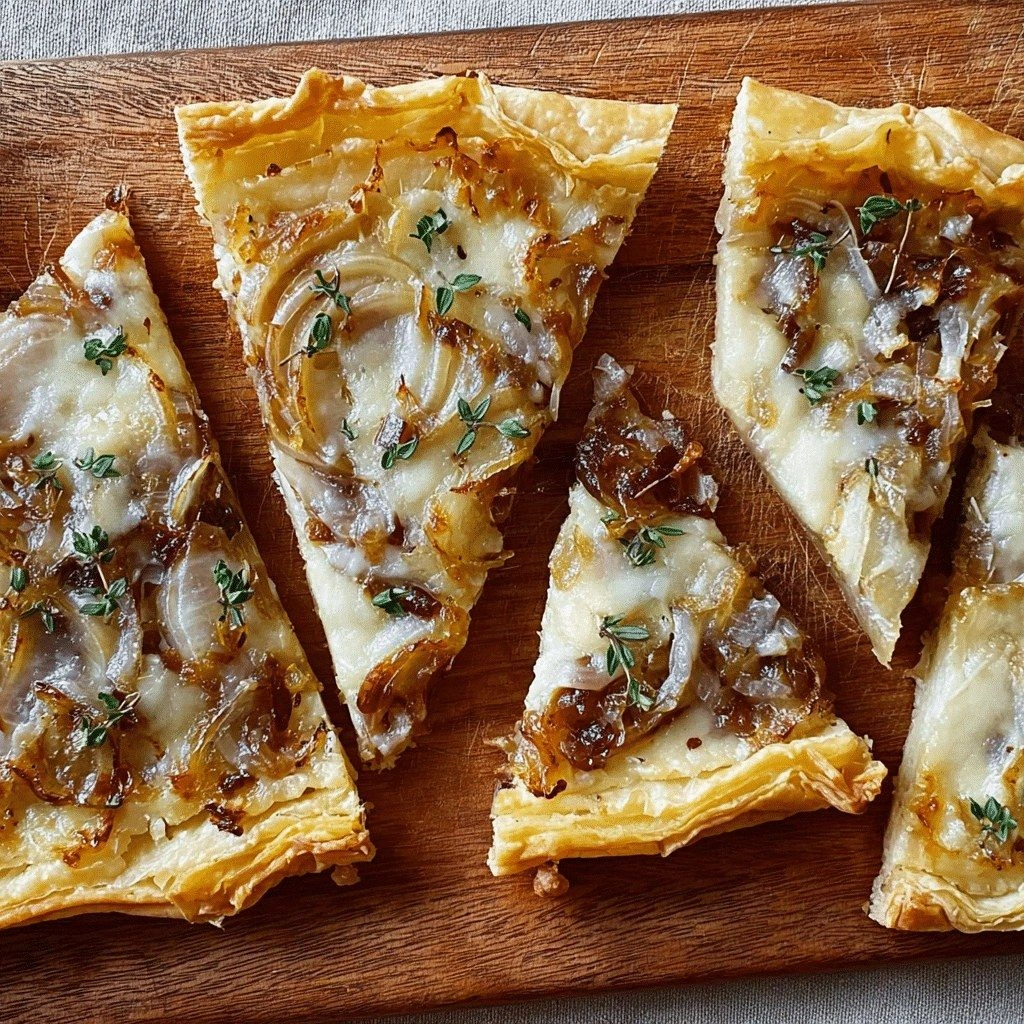
What makes this version stand out is that it balances texture, flavor, and visual appeal in a way that most recipes miss. The onions are caramelized to a depth of flavor that feels almost syrupy, yet they retain a subtle bite that keeps each bite engaging. The Gruyère is grated to a fine consistency, allowing it to melt into a gooey, golden coating that clings to every crumb of pastry. The pastry itself is a flaky, buttery canvas that rises to a golden perfection, offering a satisfying crunch that echoes the caramelized edges. And the addition of a splash of aged balsamic and fresh thyme introduces a fragrant lift that elevates the entire dish to a culinary showcase.
Let me walk you through every single step — by the end, you'll wonder how you ever made it any other way. I dare you to taste this and not go back for seconds, because once you experience that harmony of sweet, savory, and buttery, you’ll find yourself craving more. The next part? Pure magic. Stay with me here — this is worth it.
What Makes This Version Stand Out
- Taste: The caramelized onions provide a deep, sweet-salty base that balances the sharpness of Gruyère, creating a flavor profile that is both comforting and sophisticated.
- Texture: The pastry’s flaky layers contrast with the silky onion glaze and the melt‑in‑your‑mouth cheese, delivering a multi‑sensory experience in every bite.
- Visual Appeal: The golden crust, the glossy caramel, and the bright flecks of cheese make the tart a show‑stopper that looks as good as it tastes.
- Ingredient Quality: Using a high‑quality Gruyère and fresh, locally sourced onions ensures that each component shines without needing heavy seasoning.
- Make‑Ahead Potential: The tart can be assembled a day ahead and refrigerated, allowing the flavors to meld and the pastry to firm up for a crisp finish.
- Time Efficiency: While the caramelization takes time, the overall prep and cook time remains under an hour, making it ideal for a weekend brunch or a quick dinner.
Inside the Ingredient List
The Flavor Base
Onions are the heart of this tart; they bring sweetness, depth, and a subtle crunch when caramelized to perfection. Cutting them thinly allows the sugars to release quickly, creating that glossy, amber glaze that coats the pastry. If you skip onions, the tart loses its signature sweet‑savory balance, and the pastry becomes a plain, cheese‑heavy experience. For a twist, try using a mix of red and yellow onions to add a hint of color and a slightly different flavor profile.
The Texture Crew
Puff pastry is the canvas that holds everything together, offering a flaky, buttery layer that rises to a golden crown. The pastry’s thin sheets are essential; a thicker dough would result in a heavy, doughy base that would drown the delicate caramelized onions. When choosing pastry, look for one that’s been chilled and has a good layer of butter; this ensures crispness and a buttery aroma that permeates the entire tart. If you’re short on time, pre‑rolled pastry works, but a homemade sheet will elevate the dish.
The Unexpected Star
Gruyère cheese is the star that ties the flavors together. Its nutty, slightly sweet profile melts into a silky coating that clings to each bite, adding a creamy texture that contrasts with the caramelized onions. A high‑quality Gruyère will melt evenly and develop a golden crust on top, while a lower‑grade cheese may not achieve the same depth. If you can’t find Gruyère, try a blend of Emmental and aged cheddar for a similar melt and flavor profile.
The Final Flourish
Balsamic vinegar and fresh thyme are the finishing touches that elevate the dish. The balsamic adds a subtle acidity that cuts through the richness of the cheese and the sweetness of the onions, while the thyme introduces a fragrant, herbal note that lifts the entire flavor profile. Skipping these ingredients will result in a less complex, flatter taste. For a smoky variation, add a pinch of smoked paprika along with the thyme.
Everything’s prepped? Good. Let’s get into the real action.
The Method — Step by Step
- Preheat your oven to 200 °C (400 °F). While the oven warms, line a tart pan with parchment paper to prevent sticking. Roll out the puff pastry on a lightly floured surface to a thickness of about 3 mm. Carefully transfer the pastry to the pan, pressing it into the corners and trimming any excess. The pastry should be snug but not overly tight, allowing it to puff slightly during baking.
- Slice the onions thinly using a mandoline or a sharp knife. The thinner the cut, the quicker they caramelize, which is essential for that glossy, amber glaze. Toss the sliced onions in a small bowl with a pinch of salt and pepper to season them evenly. Set the seasoned onions aside while you prepare the rest of the ingredients.
- Heat the olive oil in a large skillet over medium heat. Once the oil shimmers, add the onions in a single layer, ensuring they are not overcrowded. Stir the onions every few minutes, allowing them to release their natural sugars and brown evenly. The sizzle should be gentle, not a roaring boil; if the pan starts to smoke, lower the heat slightly.
- As the onions start to turn golden, add the thyme leaves and balsamic vinegar. Stir to combine, letting the vinegar reduce and thicken into a syrupy glaze. The aroma should be sweet and slightly tangy, a fragrant promise of the flavors to come. Keep the heat at medium to avoid burning; if the onions begin to stick, add a splash of water to loosen them.
- Remove the skillet from the heat and let the caramelized onions cool slightly. This brief pause allows the sugars to thicken into a glossy glaze that coats the pastry. While they cool, grate the Gruyère cheese finely so it melts smoothly over the onions. If you prefer a chunkier texture, reserve a small portion of the cheese for sprinkling on top before baking.
- Spread the cooled onions evenly over the pastry base, pressing them gently into the dough to ensure full coverage. Sprinkle the grated Gruyère over the onions, covering them completely. The cheese should sit on top of the onions, creating a layered effect that will melt into a golden crust.
- Fold the edges of the pastry up around the filling, creating a rustic rim. Brush the entire tart with the beaten egg mixed with a tablespoon of water to give the crust a shiny, golden finish. This egg wash also helps the pastry rise and develop a crisp texture. The edges should be neat but not overly tight, allowing the filling to rise slightly during baking.
- Bake in the preheated oven for 25 to 30 minutes, or until the pastry is golden brown and the cheese is bubbling. The edges should pull away slightly from the pan, indicating a crisp, flaky crust. While baking, keep an eye on the top; if it browns too quickly, tent the tart with foil to prevent burning.
- Once baked, let the tart cool for 10 minutes on a wire rack. This resting period allows the filling to set, making it easier to slice cleanly. Slice the tart into wedges and serve warm, optionally garnishing with a sprinkle of fresh thyme or a drizzle of balsamic reduction for an extra pop of flavor. The aroma of the freshly baked pastry and melty cheese will fill your kitchen like a cozy Parisian bistro.
Insider Tricks for Flawless Results
The Temperature Rule Nobody Follows
Many cooks think a high oven temperature is the secret to a crispy crust, but it’s actually the right balance that matters. Bake at 200 °C (400 °F) to allow the pastry to rise evenly and the cheese to melt without scorching. If you go too hot, the pastry will brown too quickly on the outside while remaining undercooked inside. Use a baking stone or steel if you have one; it distributes heat more evenly, giving you a flawless finish.
Why Your Nose Knows Best
Your nose is a powerful indicator of caramelization. As the onions cook, the scent will shift from raw to sweet and slightly smoky. When the aroma becomes rich and almost buttery, it’s the perfect moment to add the balsamic. Trust that olfactory cue; it’s a reliable signal that the glaze is ready to coat the pastry.
The 5-Minute Rest That Changes Everything
After you remove the tart from the oven, let it rest for 5 minutes before slicing. This brief pause allows the cheese to set, preventing a runny mess that can ruin the presentation. It also lets the caramelized onions settle, so they don’t spill onto the crust when you cut the first slice. A quick rest is a simple step that pays off big time.
Keep the Pastry Cool
If you’re making the tart ahead of time, chill it in the refrigerator for up to 24 hours before baking. The cold dough will hold its shape better and produce a flakier crust. Just remember to bring it to room temperature for 30 minutes before baking to ensure even cooking. Skipping this step can result in a soggy base.
Use Fresh Cheese for the Best Melt
Gruyère is a cheese that loves to melt, but only when it’s fresh. Stale cheese can result in a rubbery texture that clings oddly to the pastry. Look for a cheese that’s been aged for at least six months; it will have a deeper flavor and a smoother melt. If you’re in a pinch, a combination of Gruyère and a bit of aged cheddar works well.
Creative Twists and Variations
This recipe is a playground. Here are some of my favorite ways to switch things up:
Smoky Chipotle Gruyère
Add a teaspoon of chipotle powder to the onions for a smoky kick. The heat from the chipotle pairs beautifully with the sweet caramel, while the Gruyère’s nutty profile balances the spice. This variation is perfect for a brunch that needs a bit of edge.
Roasted Red Pepper and Goat Cheese
Swap the Gruyère for goat cheese and fold in roasted red peppers. The goat cheese adds a tangy freshness that contrasts with the sweet onions, while the peppers bring a sweet, smoky flavor. This version feels lighter but still packed with depth.
Herb‑Infused Puff
Incorporate chopped rosemary and oregano into the pastry dough before rolling it out. The herbs seep into the pastry as it bakes, giving each bite a fragrant, herbal note. Pair it with a simple green salad for a balanced meal.
Mushroom & Thyme Variation
Sauté sliced mushrooms with the onions for a richer umami base. The mushrooms absorb the caramelized juices, creating a hearty filling that pairs well with the Gruyère. This is a great option for a vegetarian crowd.
Sweet & Salty Bacon Twist
Add crisp bacon bits on top of the cheese before baking. The bacon’s salty crunch contrasts with the sweet onions, creating a multi‑layered flavor profile. It’s a crowd‑pleaser at any gathering.
Storing and Bringing It Back to Life
Fridge Storage
Store leftovers in an airtight container in the refrigerator for up to 3 days. The pastry may soften slightly, but it will regain crispness when reheated. To preserve the flaky texture, wrap the tart loosely in parchment paper before sealing.
Freezer Friendly
Wrap the tart tightly in plastic wrap and then foil before freezing. It can be stored for up to 2 months. When ready to serve, thaw overnight in the refrigerator and then bake at 200 °C (400 °F) for 15 minutes to restore the crust’s crunch.
Best Reheating Method
Add a tiny splash of water to the bottom of a preheated skillet, then place the tart slice in the pan. Cover with a lid and heat for 2 minutes. The steam will soften the pastry while keeping the cheese warm and gooey.