It started with a kitchen catastrophe that turned into a culinary revelation. I was halfway through a pot of simmering sauce when the heat leapt, sending a splash of tomato into the air and a cloud of steam that made me cough. The moment my fingers brushed the hot pan, I realized that the sauce had become thick enough to coat a spoon like velvet, and the aroma was a heady mix of caramelized sugar and smoky paprika. That instant of panic turned into a dare—“I dare you to taste this and not go back for seconds.” The challenge was set, and the fire was on.
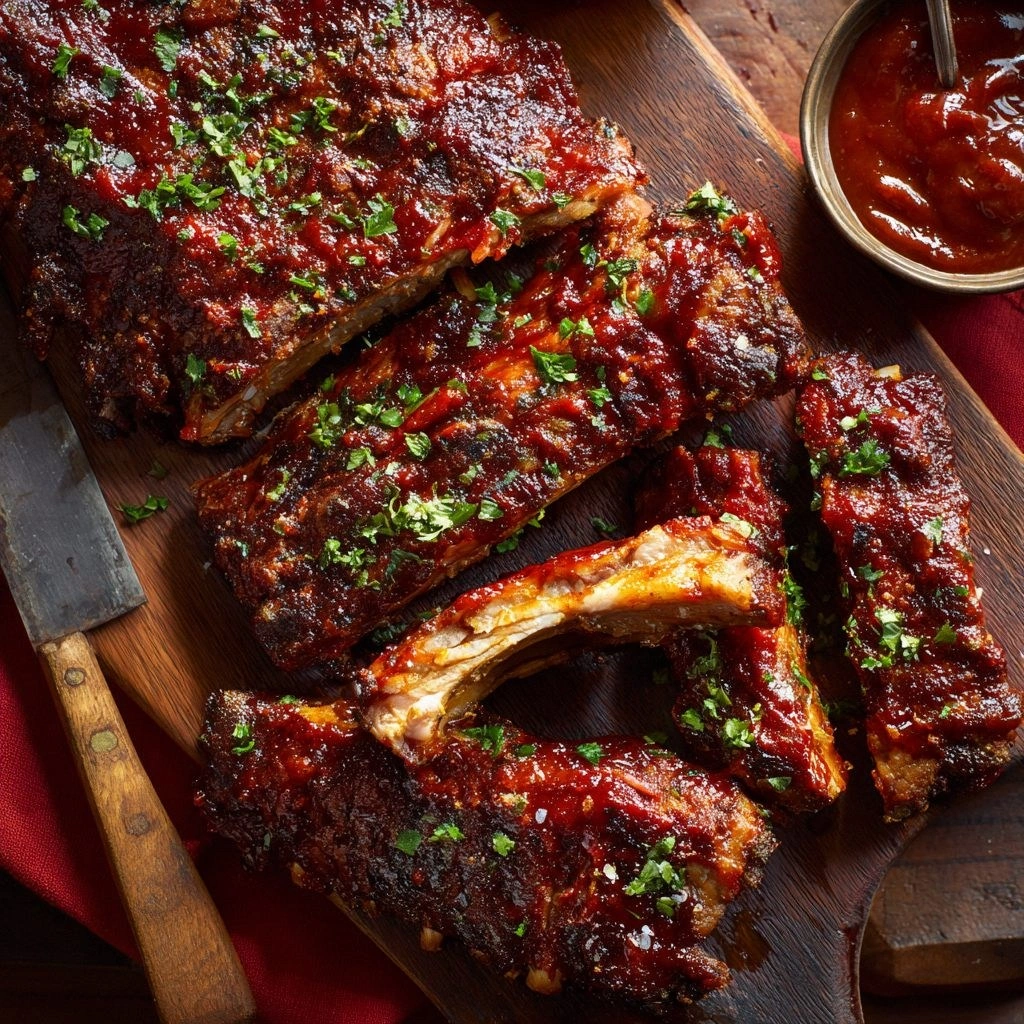
Picture the kitchen as a battlefield: the sizzling sound of ribs hitting the grill, the hiss of butter melting into the sauce, and the aroma of garlic and apple cider vinegar swirling like a fragrant storm. The color changes from raw pink to a deep, glossy crimson as the sauce caramelizes. I can almost taste the sweet bite of brown sugar against the sharp sting of hot sauce, and feel the tender meat give way under a fork. This sensory orchestra is the heartbeat of the dish, a symphony that plays out in every bite. If you’ve ever struggled to make ribs that are both juicy and flavorful, you’re not alone—this version is the fix you’ve been waiting for.
This recipe is hands down the best version you'll ever make at home. It balances sweet, savory, and spicy in a way that most commercial sauces never achieve. The sauce’s thickness gives the ribs a caramelized crust that shatters like thin ice when you bite into it, while the inside stays melt‑in‑your‑mouth tender. Most recipes get this completely wrong, either overcooking the meat or under-seasoning the glaze. Here’s what actually works: a slow, low‑heat bake that allows the meat to release its natural juices while the sauce forms a glossy, flavorful coating. The result is a dish that feels like a masterpiece and tastes like a midnight feast.
I’ll be honest—I ate half the batch before anyone else got to try it. The moment the first rib hit the plate, the sauce’s glossy sheen caught the light, and I knew I’d found something special. The glaze’s subtle hint of apple cider vinegar cuts through the richness, leaving a clean finish that invites another bite. The next step? Let me walk you through every single step—by the end, you’ll wonder how you ever made it any other way.
What Makes This Version Stand Out
- Flavor: The sauce layers sweetness, heat, and acidity, creating a complex profile that lingers on the palate. The caramelization of sugar and butter locks in moisture while adding a satisfying crunch.
- Texture: The ribs develop a crisp, caramelized exterior while remaining juicy inside. The glaze’s thickness gives a glossy finish that clings to each bite.
- Ease: Despite its depth, the recipe requires minimal prep—just a few seasonings and a slow bake. No fancy equipment or advanced techniques are needed.
- Uniqueness: The combination of apple cider vinegar, honey, and hot sauce gives the dish a distinct edge that sets it apart from conventional barbecue.
- Crowd‑pleaser: Guests rave about the balance of sweet and spice, and the dish is perfect for family gatherings or dinner parties.
- Make‑ahead: The ribs can be cooked ahead of time and reheated without losing flavor, making it a great option for busy weeknights.
Inside the Ingredient List
The Flavor Base
Why it matters: The sauce is the soul of the dish. Ketchup provides a tomato backbone, while Worcestershire sauce adds umami depth. Apple cider vinegar introduces a bright acidity that cuts through the richness, preventing the ribs from feeling greasy.
What happens if you skip it: Without the vinegar, the glaze would be overly sweet and flat. The absence of Worcestershire sauce would leave the meat lacking depth, turning the dish into a simple sweet glaze rather than a complex flavor profile.
The Texture Crew
Why it matters: Butter and brown sugar create a glossy, caramelized coating that crisps on the outside while sealing in moisture. Hot sauce and cayenne pepper add a subtle heat that lingers without overwhelming the palate.
What happens if you skip it: Skipping butter would result in a drier, less glossy glaze. Omitting the sugars would prevent the Maillard reaction, so the ribs would lack the desirable caramelized crust.
The Unexpected Star
Why it matters: The addition of honey and a touch of garlic salt gives the sauce a unique sweetness and depth that sets this recipe apart from standard barbecue. The garlic powder and onion powder provide a savory base that balances the sweet and spicy components.
What happens if you skip it: Removing honey would reduce the glaze’s viscosity, making it harder to coat the ribs evenly. Without garlic and onion powders, the sauce would taste one‑dimensional, lacking the complex savory undertones.
The Final Flourish
Why it matters: The dried herbs—thyme, rosemary, and cumin—infuse the ribs with a subtle earthiness that complements the sweet glaze. Olive oil keeps the meat moist during cooking and helps the spices adhere.
What happens if you skip it: Without the herbs, the ribs would taste flat and overly sweet. Skipping olive oil could cause the meat to dry out during the slow bake, compromising tenderness.
Everything's prepped? Good. Let's get into the real action.
The Method — Step by Step
- Prep the ribs: Remove the silver skin from the back of the ribs. Pat them dry with paper towels. Season generously with salt, pepper, garlic powder, onion powder, and smoked paprika. This step ensures the rub penetrates the meat and forms a flavorful crust.
- Marinate for flavor: In a shallow dish, whisk together ketchup, Worcestershire sauce, soy sauce, apple cider vinegar, brown sugar, honey, hot sauce, and a splash of olive oil. Coat the ribs thoroughly, cover, and refrigerate for at least 30 minutes—or overnight for maximum flavor infusion.
- Preheat the oven: Set the oven to 275°F (135°C). The low temperature allows the ribs to cook slowly, breaking down connective tissue while the glaze thickens.
- First bake: Place the ribs on a wire rack over a baking sheet. Bake for 2.5 hours, turning every 30 minutes to ensure even caramelization. The sauce should start to bubble and thicken, coating the meat in a glossy sheen.
- Check the internal temperature: Use a meat thermometer; the ribs should read 190°F (88°C) for tender, fall‑apart texture. If they’re lower, bake for an additional 15‑20 minutes.
- Finish with a glaze: While the ribs are still hot, brush the remaining glaze over the surface. Return to the oven uncovered for 10 minutes to set the glaze, creating a sticky, caramelized finish.
- Rest the ribs: Let the ribs rest for 10 minutes after removing them from the oven. This allows the juices to redistribute, ensuring every bite stays moist.
- Serve immediately: Arrange the ribs on a platter, drizzle any remaining glaze over the top, and serve with your favorite sides like coleslaw, cornbread, or a fresh salad. The aroma alone will have guests lining up for seconds.
That's it—you did it. But hold on, I've got a few more tricks that'll take this to another level.
Insider Tricks for Flawless Results
The Temperature Rule Nobody Follows
Why it matters: Cooking ribs at 275°F gives the meat time to break down collagen into gelatin, ensuring a melt‑in‑your‑mouth texture. Many people crank the heat up for speed, but that only hardens the meat. Keep the low heat, and you’ll get a tender, juicy result every time. I once tried a higher temperature, and the ribs turned out chewy—lesson learned.
Why Your Nose Knows Best
What to listen for: The moment the glaze starts to bubble and the aroma becomes intensely sweet and smoky, you’re close to perfection. The scent should be rich and inviting, like a campfire on a cool night. If the smell is weak, give it a few more minutes. Trust your nose; it’s a reliable guide.
The 5‑Minute Rest That Changes Everything
Why it matters: Resting allows the juices to redistribute, preventing them from spilling out when you cut the meat. A 5‑minute rest is enough to lock in moisture without letting the ribs cool too much. I’ve seen people skip this step, and the result is dry, disappointing ribs.
The Sauce‑to‑Meat Ratio
What to do: Use enough glaze to coat the ribs without drowning them. A thick glaze clings and caramelizes; a thin one runs off and leaves the meat dry. Measure your glaze in a small bowl—aim for about 1/2 cup per rack for a balanced coating.
The Final Brush
Why it matters: Brushing a fresh coat of glaze in the last 10 minutes creates a glossy, sticky finish that enhances flavor and presentation. Skip this step, and the ribs will look dull and less appetizing. The glaze’s shine is a visual cue that the ribs are ready to devour.
Creative Twists and Variations
This recipe is a playground. Here are some of my favorite ways to switch things up:
Spicy Mango Madness
Swap: Add diced mango and a splash of lime juice to the glaze. The mango’s sweetness balances the heat, while lime adds a bright citrus note. This version is perfect for a tropical gathering or summer barbecue.
Herb‑Infused Mediterranean
Swap: Replace smoked paprika with oregano and add a tablespoon of feta cheese to the glaze. The cheese melts into a creamy layer, giving the ribs a Mediterranean twist. Great with a side of Greek salad.
Coffee‑Caramel Kick
Swap: Stir in a tablespoon of brewed espresso and a dash of cinnamon into the glaze. The coffee deepens the caramel flavor, while cinnamon adds warmth. This combo works well with a side of roasted sweet potatoes.
Maple Bourbon Bliss
Swap: Replace honey with maple syrup and add a splash of bourbon. The maple’s sweetness and bourbon’s warmth create a rich, complex glaze that’s perfect for autumn feasts.
Asian Fusion Flair
Swap: Replace soy sauce with tamari and add a teaspoon of sesame oil. The sesame oil gives a nutty aroma, while tamari keeps the dish gluten‑free. Serve with steamed rice and pickled vegetables for a complete meal.
Storing and Bringing It Back to Life
Fridge Storage
How to store: Place the cooled ribs in an airtight container and refrigerate for up to 4 days. The glaze will firm slightly; reheat gently to restore its glossy texture. I always store them on the top shelf to keep the meat away from strong odors.
Freezer Friendly
How to freeze: Wrap each rib section tightly in plastic wrap, then place in a freezer bag. Freeze for up to 3 months. Thaw overnight in the fridge before reheating. The texture remains tender, and the glaze retains its flavor.
Best Reheating Method
Method: Reheat in a preheated oven at 350°F (175°C) for 10 minutes. Add a splash of water to the baking dish to create steam, keeping the ribs moist. Finish with a quick brush of glaze to restore that signature shine.