Picture this: I’m in the middle of a Sunday dinner, the family’s chatter filling the kitchen, and my phone buzzes with a friend’s challenge: “Show me the best arroz con pollo you’ve ever made.” I’m already halfway through a pot of rice, but the aroma is nothing like the golden, fragrant masterpiece I had in mind. The moment I tasted the first spoonful, I realized I’d stumbled upon a recipe that would forever change how I think about this classic dish. That single bite was a revelation—sizzling, smoky, with a whisper of citrus that danced on my tongue. It was so good that I almost ate half the batch before anyone else could even ask for a second spoonful. The secret? A blend of bold spices, a touch of saffron, and a technique that locks in every flavor. If you’re ready to elevate your arroz con pollo to a whole new level, stay with me. By the end, you’ll wonder how you ever cooked it any other way.
What Makes This Version Stand Out
- Flavor Depth: The combination of saffron, paprika, and cumin creates a layered taste profile that feels both comforting and adventurous. Each spice contributes a distinct note, from the earthy warmth of cumin to the bright, floral hint of saffron.
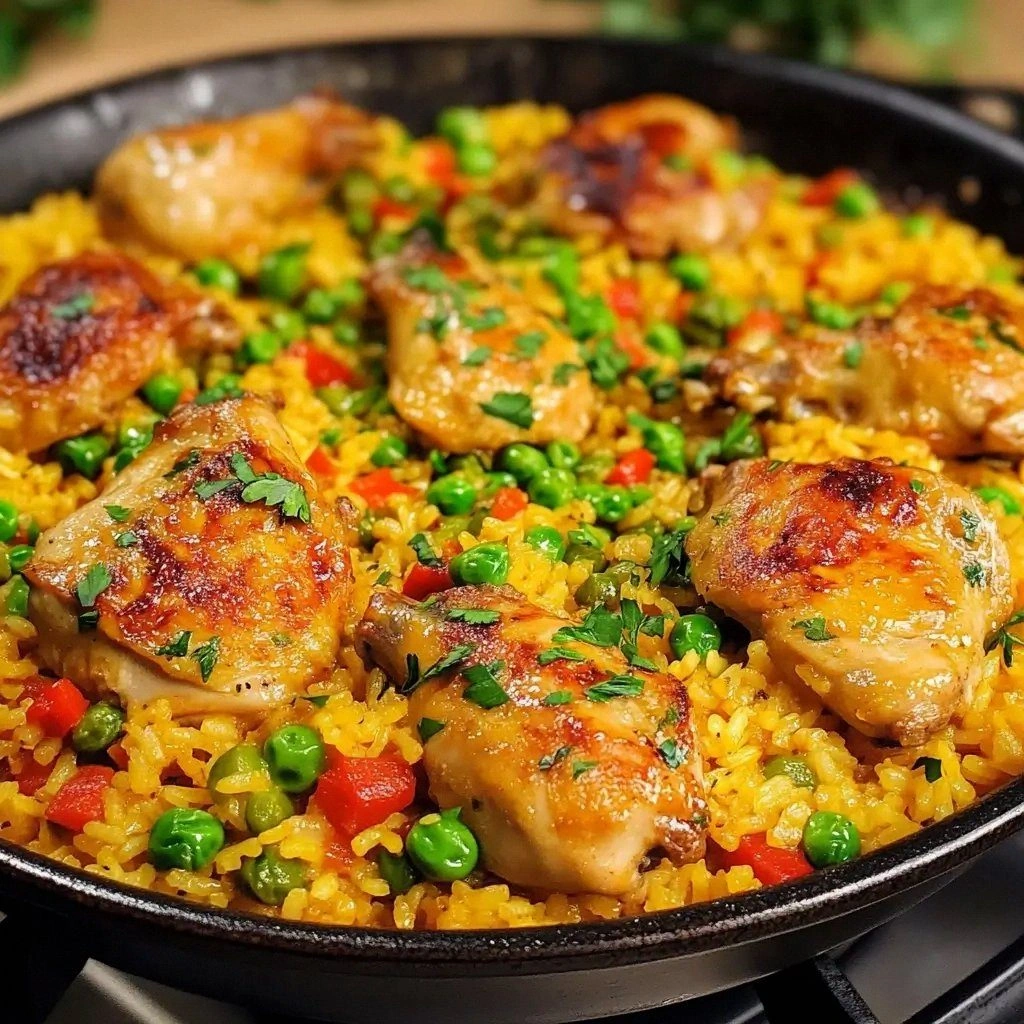
- Texture Contrast: The rice remains fluffy yet tender, while the chicken develops a caramelized crust that adds a satisfying bite. The peas and carrots provide pops of color and a subtle crunch that break up the dish.
- Visual Appeal: The bright yellow hue from the saffron and paprika makes the dish look as good as it tastes, turning a simple pot into a centerpiece.
- Ease of Prep: Every ingredient is straightforward, and the method can be completed in under an hour. No advanced techniques are required, making this a go‑to for busy nights.
- Versatility: It works beautifully with a variety of protein options, from chicken thighs to shrimp or even tofu for a vegetarian version.
- Make‑ahead Friendly: Leftovers taste even better the next day, and the flavors meld wonderfully over time.
- Authenticity: This recipe stays true to its roots while incorporating a few modern twists—like a splash of lemon juice—to brighten the dish.
- Audience Appeal: Whether you’re cooking for a crowd or a cozy family dinner, the portions scale effortlessly.
Alright, let’s break down exactly what goes into this masterpiece…
Inside the Ingredient List
The Flavor Base
At the heart of any great arroz con pollo is a robust base that awakens the senses. The onion and garlic sauté in olive oil until they’re translucent and aromatic, forming the flavor foundation. These aromatics release their sugars, creating a subtle sweetness that balances the savory notes. Skipping them would leave the dish feeling flat, as if a missing layer of seasoning had been forgotten. A good rule of thumb is to let them cook just until they’re soft but not browned; you want clarity, not bitterness.
The Texture Crew
Rice is the star of the show, but its texture is what will ultimately win your heart. Long‑grain white rice is preferred because it remains separate when cooked, giving that classic “fluffy” look. If you’re feeling adventurous, try adding a splash of rice vinegar at the end to slightly crisp the grains. The peas and carrots add bursts of color and a gentle crunch that punctures the softness of the rice. If you omit them, the dish becomes a plain rice‑and‑chicken combo—respectable, but less memorable.
The Unexpected Star
Saffron may be the most expensive spice in the world, but a small pinch is all you need to transform the entire dish. It imparts a golden hue and a delicate, floral aroma that sets this version apart from the ordinary. If saffron is out of reach, a teaspoon of annatto oil will give you a similar color, though the flavor will be milder. The soaked saffron releases its pigments slowly, ensuring even distribution. Skipping saffron will result in a dish that looks more like a plain rice and chicken stew, lacking that signature glow.
The Final Flourish
A squeeze of fresh lemon juice at the end brightens the dish, cutting through the richness of the chicken and rice. The fresh cilantro adds a herbal lift, while lime wedges on the side give diners the option to adjust acidity to taste. These finishing touches are what elevate a good dish to great. If you’re vegan, replace the chicken with marinated tofu and use vegetable broth; the flavor profile remains intact.
Everything's prepped? Good. Let's get into the real action…
The Method — Step by Step
- Heat the olive oil in a large, heavy‑bottomed pot over medium heat. Add the chicken pieces, skin side down, and brown them on all sides. This caramelization locks in flavor and adds a savory depth that plain simmering just can’t match. Remove the chicken and set it aside; the browned bits will become the base of your sauce.
- In the same pot, sauté the diced onion and bell pepper until they soften and the onion turns translucent. The bell pepper adds a sweet, slightly smoky note that pairs beautifully with the cumin. Add the minced garlic, oregano, paprika, and cumin, stirring constantly so the spices toast without burning. The aroma at this point should be intoxicating.
- Pour in the diced tomatoes and let them reduce for about 3 minutes. The tomatoes should start to break down into a thick, slightly chunky sauce. This reduction concentrates their flavor and creates a vibrant base for the rice.
- Add the rice to the pot, stirring to coat each grain with the aromatic mixture. Cook for 2 minutes, letting the rice absorb the flavors and toast lightly. This step is crucial for preventing the grains from sticking together later.
- Return the browned chicken to the pot, nestling it among the rice. Pour in the chicken broth and the saffron water, then add the bay leaf. Bring the mixture to a gentle boil, then reduce the heat to low, cover, and simmer for 15 minutes. The liquid should be absorbed almost entirely, and the rice should be tender.
- Stir in the peas and carrots, then cover and cook for an additional 5 minutes, or until the vegetables are just tender. This timing keeps the vegetables vibrant and prevents them from becoming mushy.
- Remove the pot from heat and let it rest, still covered, for 5 minutes. This allows the rice to steam and the flavors to meld, creating a cohesive dish.
- Fluff the rice gently with a fork, then stir in the lemon juice and chopped cilantro. Taste and adjust seasoning with salt and pepper as needed. The lemon brightens the dish, while the cilantro adds a fresh herbal note.
- Serve hot, with lime wedges on the side for those who like an extra citrus kick. Garnish with additional cilantro if desired. The aroma of the finished dish should be so inviting that even your guests will be tempted to ask for seconds.
That’s it — you did it. But hold on, I’ve got a few more tricks that will take this to another level…
Insider Tricks for Flawless Results
The Temperature Rule Nobody Follows
Cooking the rice at a steady low simmer is key. If the heat is too high, the liquid will evaporate too quickly, leaving the rice undercooked. Conversely, a weak heat can cause the rice to stick to the bottom of the pot. A medium‑low flame keeps the rice gently cooking while allowing the broth to reduce without scorching.
Why Your Nose Knows Best
During the simmer, pay attention to the aroma. The dish should smell like a warm, comforting kitchen with a hint of citrus and toasted spices. If it starts smelling overly smoky or burnt, reduce the heat immediately. Your nose is the ultimate guide to preventing over‑cooking.
The 5‑Minute Rest That Changes Everything
After you remove the pot from heat, keep it covered for five minutes. This resting period allows the rice to steam and the flavors to meld. Skipping this step often results in a dish that feels rushed and disconnected.
Use a Thick‑Bottomed Pot
A heavy pot distributes heat evenly, preventing hot spots that can burn the rice or chicken. If you only have a thin pan, consider adding a small amount of water or broth to the bottom to compensate for uneven heating.
Add a Touch of Sweetness
A tablespoon of honey or a pinch of sugar can balance the acidity of the tomatoes and lemon, creating a more rounded flavor profile. This is especially helpful if you’re using very ripe tomatoes that are naturally sweeter.
Creative Twists and Variations
This recipe is a playground. Here are some of my favorite ways to switch things up:
Shrimp & Coconut Twist
Swap the chicken for peeled shrimp and replace the chicken broth with coconut milk. Add a pinch of curry powder for a tropical flair. This version is perfect for a beach‑inspired dinner.
Vegetarian Fiesta
Replace the chicken with diced tofu marinated in soy sauce and a splash of sesame oil. Keep the rest of the ingredients the same. The tofu absorbs the flavors beautifully, and the dish remains hearty.
Spicy Jalapeño Kick
Add sliced jalapeños or a dash of hot sauce during the sauté stage. The heat pairs wonderfully with the sweet bell pepper and balances the richness of the rice.
Mediterranean Medley
Incorporate sun‑dried tomatoes, olives, and feta cheese. The briny olives add a salty contrast, while the feta provides a creamy tang that complements the citrus.
Breakfast Boost
Serve the arroz con pollo over a bed of scrambled eggs or top it with a poached egg. The runny yolk adds a silky richness that transforms the dish into a satisfying breakfast.
Storing and Bringing It Back to Life
Fridge Storage
Cool the rice completely before refrigerating in an airtight container. It will keep for 3–4 days. When reheating, add a splash of water or broth to re‑moisten the rice.
Freezer Friendly
Divide the dish into individual portions and wrap tightly in freezer paper or zip‑top bags. Freeze for up to 2 months. Thaw overnight in the fridge before reheating.
Best Reheating Method
Reheat in a pot on low heat, stirring frequently, and add a tiny splash of water or broth to keep the rice from drying out. Cover for a minute to allow steam to work its magic. The result will be almost identical to freshly cooked.